

The Japanese Embassy in China on Dec. 5 issued a safety advisory to its citizens in the country ahead of next week’s anniversary of the Nanjing Massacre, urging caution amid heightened tensions between the two countries.
“On dates related to historical events between Japan and China, anti-Japanese sentiment tends to escalate. Given recent local media coverage concerning Japan–China relations, it is especially important to exercise caution,” the embassy said in a statement.
The Nanjing Massacre, also known as the Nanjing Incident, refers to the mass killings carried out by the Imperial Japanese Army in 1937. The anniversary is marked in China on Dec. 13.
The embassy advises Japanese citizens to be aware of their surroundings, including when approached by suspicious individuals, and to take “all possible safety precautions.”
The advisory said that people should consider traveling in groups and take precautions when out, especially when traveling with children. Japanese citizens are urged to “refrain from noticeable behavior such as gathering in large, noisy groups of Japanese nationals” when outside.
The embassy also urged citizens to avoid wearing or carrying items that would make them easily identifiable as Japanese.
Japan’s embassy in China also noted that the Chinese communist regime had designated 2025 as the 80th anniversary of the “Victory of the Chinese People’s War of Resistance Against Japanese Aggression and the World Anti-Fascist War.” It noted that several other events this year had prompted the embassy to issue similar advisories.
The statement linked to an Aug. 5 notice from the Japanese Ministry of Foreign Affairs, in which Japanese citizens in China were advised to exercise caution due to “rising anti-Japanese sentiment” at specified dates, including Sept. 3, marked as the “Victory Day,” which commemorates the end of the second Sino-Japanese War.
Tensions
Tensions are heightened between the two Asian neighbors. Japanese Prime Minister Sanae Takaichi told Parliament last month that a hypothetical Chinese attack on Taiwan could constitute an existential threat to Japan that would prompt a military response.
Beijing considers the self-governing democratic island of Taiwan its own territory, and the Chinese communist regime has not ruled out taking control of the island by force.
In response to Takaichi’s remarks, China imposed a travel boycott on Japan. Beijing followed up with other actions, including a ban on Japanese seafood.

Last month, Beijing dispatched its armed coast guard vessels to waters near Japan-administered islands in the East China Sea, which are called Diaoyu by Beijing and Senkaku by Tokyo, asserting that the patrols were intended to uphold China’s “rights and interests.”
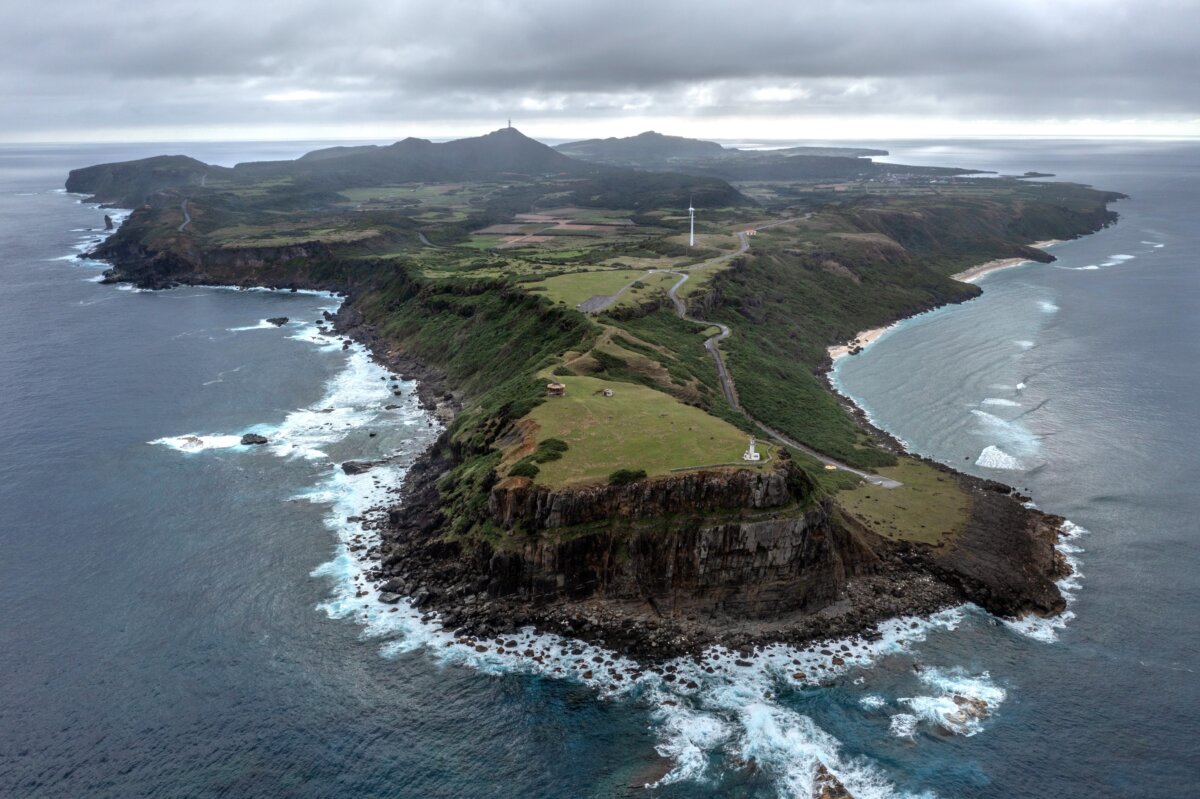
Japanese Defense Minister Shinjiro Koizumi said on Nov. 23 that Japan would deploy surface-to-air missiles to Yonaguni Island, just 68 miles off Taiwan’s east coast, calling it a defensive move. Beijing criticized the move, warning that it would lead to regional tensions.
The U.S. State Department reaffirmed its commitment to Japan’s defense and said it opposes any attempts to alter the status quo in the Taiwan Strait and the East China Sea through force.
“The U.S.–Japan Alliance remains the cornerstone of peace and security in the Indo-Pacific,” u.S. State Department spokesperson Tommy Pigott said in a Nov. 20 post on X.
Aldgra Fredly, Joseph Lord, and Reuters contributed to this report.
 Friends Read Free
Copy
Facebook
Tweet
Friends Read Free
Copy
Facebook
Tweet