
The Kremlin said on Dec. 30 that a purported Ukrainian drone attack on a presidential residence in Russia’s northwestern Novgorod region would harden Moscow’s position in ongoing peace talks, raising new questions about the fate of diplomatic efforts to end the nearly four-year war.
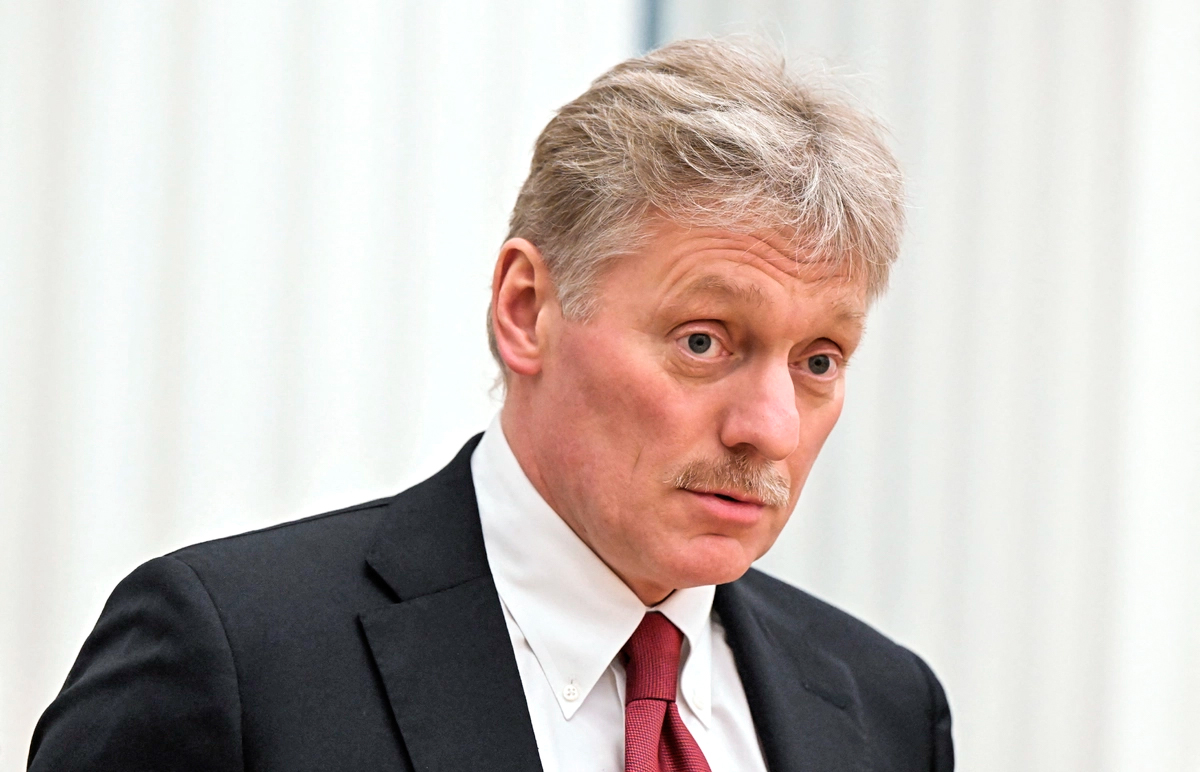
Kremlin spokesman Dmitry Peskov told reporters in Moscow on Dec. 30 that the alleged overnight strike targeting Russian President Vladimir Putin’s residence was aimed at derailing negotiations and would carry diplomatic consequences for Kyiv.
“This terrorist action is aimed at collapsing the negotiation process,” Peskov told reporters. “The diplomatic consequence will be to toughen the negotiating position of the Russian Federation.”
Moscow Warns of Consequences as Kyiv Denies Claim
The claim that Kyiv used 91 drones to attack Putin’s residence was first made by Russian Foreign Minister Sergei Lavrov on Dec. 29, calling the alleged attack “state terrorism” that would be met with retaliation.
Ukrainian President Volodymyr Zelenskyy has said that Lavrov’s claims were a lie used by Moscow as a pretext to derail peace talks and strike government buildings in Kyiv.
“The Russians are spreading fakes to justify their strikes on Ukraine and the further prolongation of this war,” Zelenskyy said in a Dec. 30 post on social media. “The world’s key intelligence services must have the real information.”
Lavrov did not provide any evidence for his drone attack claim, and Peskov later said that, since air defenses purportedly shot down all 91 drones, the question of providing access to the wreckage was a matter for Russia’s defense ministry.
“We see that Zelenskyy himself is trying to deny this, and many Western media outlets, playing along with the Kyiv regime, are starting to spread the theme that this did not happen,” Peskov told reporters, adding that the assertion that the drone attack did not happen and is part of Russian disinformation is “completely insane.”
Dmitry Medvedev, the former Russian president and prime minister now serving on Russia’s Security Council, accused Zelenskyy of trying to derail the peace talks.
“He wants war,” Medvedev wrote in a post on X. “Well, now at least he’ll have to stay in hiding for the rest of his worthless life.”
The alleged drone attack would not undermine the ongoing dialogue between U.S. President Donald Trump and Putin, according to Peskov, who said that any Ukrainian “provocations” would not drive a wedge between the two leaders.
“The leaders maintain a trusting dialogue and continue to engage in talks,” Peskov said, according to state-run news agency TASS. “Such provocations, such acts of state terrorism, cannot undermine this level of mutual trust between the two presidents.”
Earlier, Kremlin aide Yury Ushakov said that Putin had spoken with Trump by phone and the Russian leader told Trump that Moscow’s position in U.S.-led negotiations to end the nearly four-year war would be re-evaluated.
TASS reported a range of international reactions to the purported drone attack, including expressions of concern from India and condemnation from the United Arab Emirates, though Kyiv said such reactions were troubling given the lack of evidence and contrasted them with muted responses to previous Russian strikes on Ukrainian government facilities.
“Almost a day passed and Russia still hasn’t provided any plausible evidence to its accusations of Ukraine’s alleged ‘attack on Putin’s residence,'” Ukraine’s foreign minister, Andrii Sybiha, said in a Dec. 30 post on X. “And they won’t. Because there’s none. No such attack happened.”
“We were disappointed and concerned to see the statements by Emirati, Indian, and Pakistani sides expressing their concerns regarding the attack that never happened,” he added, while calling on “all states to act responsibly and refrain from responding to unverified claims—this undermines the constructive peace process that has been advancing lately.”
Diplomacy Continues as Leaders Weigh Prospects for Peace
As the diplomatic push to end the Russia–Ukraine conflict continues, Zelenskyy met Trump over the weekend and said the two sides had made progress on elements of a peace framework, including security guarantees. At the same time, the Ukrainian leader acknowledged that key issues—such as control of the Russian-held Zaporizhzhia nuclear power station and the future of the Donbas region—remain unresolved.
Trump said on Sunday that a peace deal was “a lot closer,” while cautioning that disputes over territory could complicate negotiations. Some European leaders have echoed Trump’s view on the progress of the peace talks.
Polish Prime Minister Donald Tusk said on Dec. 30 after discussions with other European leaders, Canada, and NATO, that a peaceful settlement of the Ukraine conflict appears increasingly likely.
“Peace is on the horizon, there is no doubt that things have happened that give grounds for hope that this war can end, and quite quickly, but it is still a hope, far from 100 percent certain,” Tusk said at a government meeting in Warsaw.
“When I say peace is on the horizon, I’m talking about the coming weeks, not the coming months or years. By January, we’ll all have to come together… to make decisions about the future of Ukraine, the future of this part of the world.”
Tusk said proposed U.S. security guarantees to Kyiv gave grounds for optimism about an end to the war, though he said territorial concessions by Ukraine would be necessary.
German Chancellor Friedrich Merz echoed Tusk’s optimistic take on the peace talks.
“We held further consultations today with our European and Canadian partners in the Berlin Format,” he said in a post on X.
“We are moving the peace process forward.
“Transparency and honesty are now required from everyone–including Russia.”
Reuters contributed to this report.
 Friends Read Free
Copy
Facebook
Tweet
Friends Read Free
Copy
Facebook
Tweet