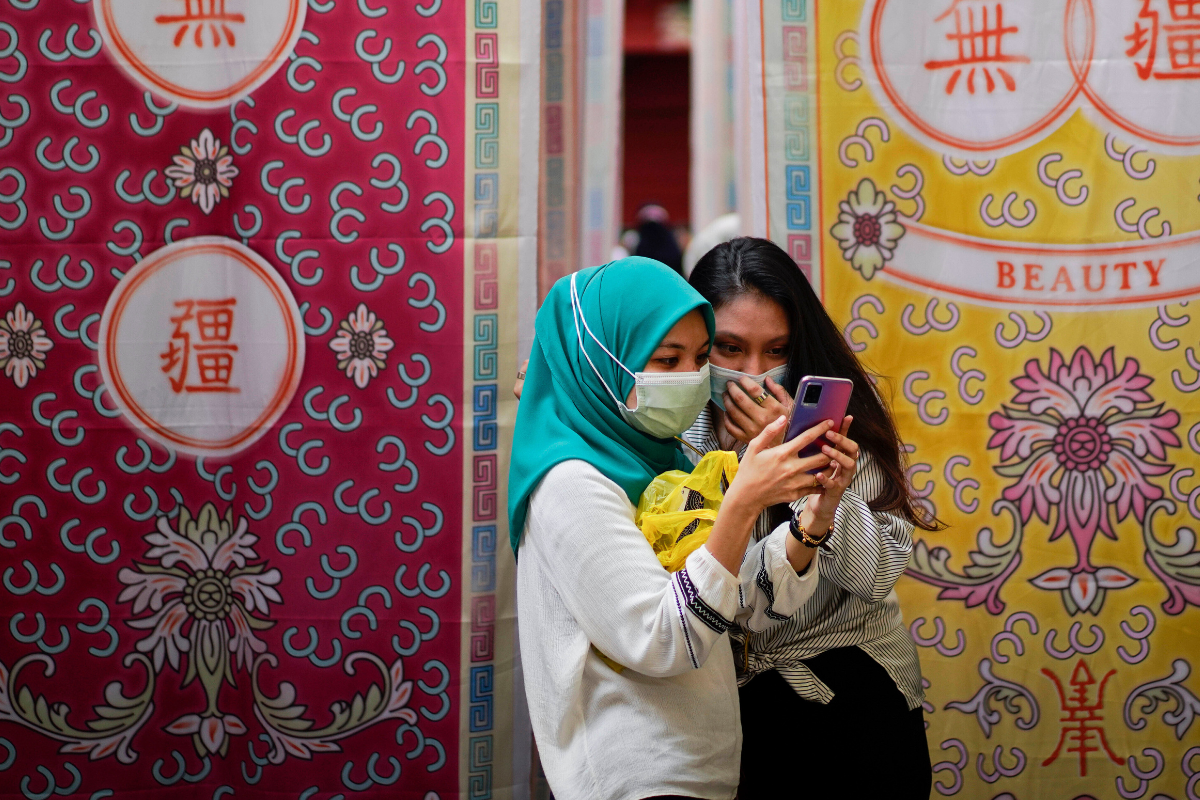

Malaysia has implemented an Australian-style social media ban, barring those aged under 16 from registering accounts on major platforms, its communications regulator announced on June 1.
The Southeast Asian country joins a growing number of governments that regulate access to online platforms amid widespread concern over social media’s impact on children’s developing minds.
Social media platforms with at least 8 million users, including Facebook, Instagram, TikTok, and YouTube, must now carry out age verification checks against government-issued records, the Malaysian Communications and Multimedia Commission said.
Social media platforms that fail to comply could be hit with fines of up to 10 million ringgit ($2.5 million).
Fines for Platforms, Not Parents
The ban aims to place the burden of responsibility onto social media platforms, as well as on parents and caregivers, according to the regulator. However, there are no plans to penalize parents whose children manage to evade the law, the government said.
Malaysian authorities have increased scrutiny of social media companies after reporting a steep rise in harmful online content in recent years. The measures are intended to protect children from harmful content, cyberbullying, and features designed to encourage excessive use, such as addictive algorithms.
The government has said it will crack down on material it deems as deliberately attempting to stir up racial or religious tensions, and posts critical of the monarchy.
According to Reporters Without Borders (also known by its French abbreviation RSF), the Malaysian government “exerts a great deal of political pressure to deter the media from tackling sensitive subjects or from criticising politicians and government officials.”
RSF describes the monarchy as “an extremely sensitive subject” in the country, “as are discussions on race and religion. Any form of commentary or reporting deemed critical of the monarchy can result in prosecution, leading to widespread self-censorship on the matter.”
‘Misguided and Disproportionate’
Critics say Malaysia’s move could increase the risks of data privacy breaches and expand state surveillance. The country ranks 95th out of 180 in the current World Press Freedom Index compiled by RSF.
Civil society groups urged the government to withdraw the ban, warning that the move could be “misguided and disproportionate,” according to local English-language outlet The Star.
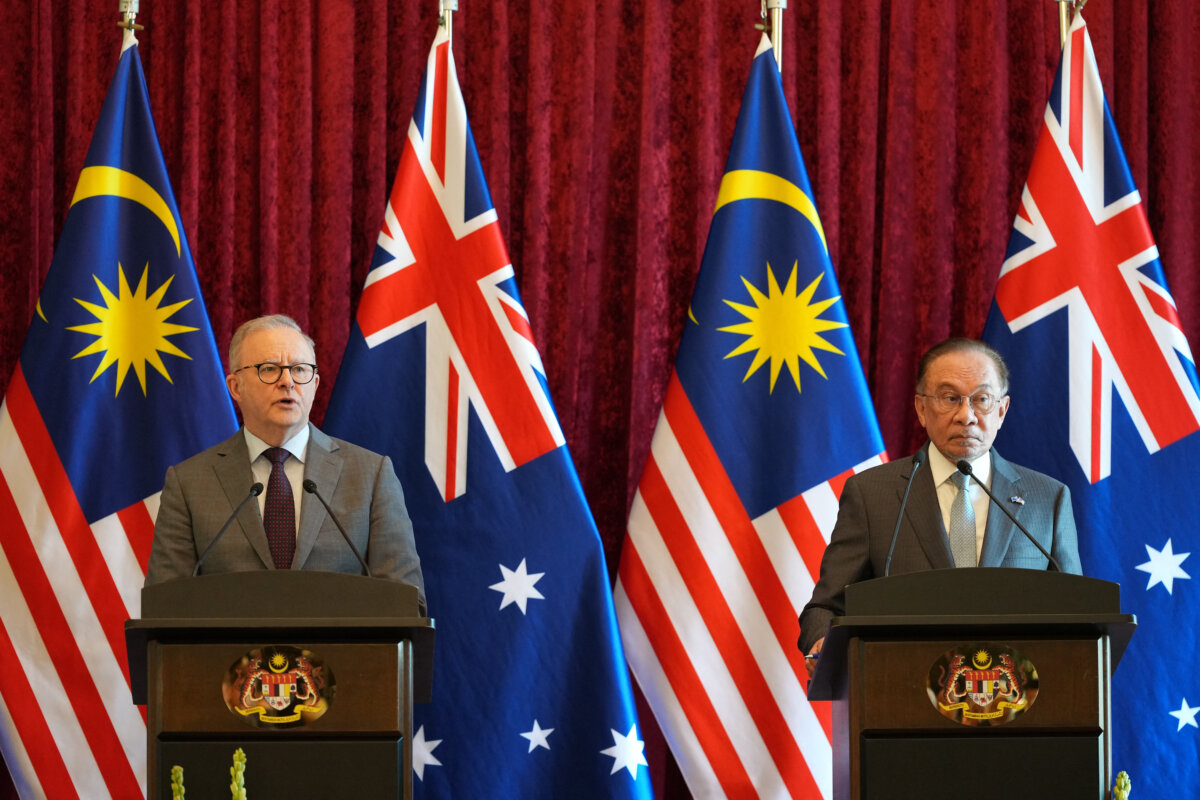
In a joint letter in April addressed to Malaysian Prime Minister Anwar Ibrahim, the organizations said that while concerns over online harm are valid, a blanket ban risks undermining fundamental rights, including privacy and freedom of expression.
“We understand that public concerns are at a peak but a total prohibition does not address the systemic and structural drivers of harm in digital spaces and may ultimately prove ineffective,” they said.
The letter said that excluding children from digital spaces could limit their access to information, communication, and participation in society.
“Children do not need to be excluded from digital spaces; instead, they need protection within them, along with the skills and safeguards to participate safely and meaningfully,” the groups said. While not identifying any of the groups, The Star said, “The joint letter was endorsed by dozens of Malaysian and international civil society organisations.”
‘Following the Trend’
Malaysia’s regulator said the new rules are not intended to prevent children from accessing digital technology.
“These measures help strengthen the protection of children in the online environment, while providing added reassurance to parents in navigating increasingly complex digital risks,” it said.
Benjamin Loh, social science lecturer at Monash University in Malaysia, expressed doubt that the ban would be effective.
“It is very much following the trend but in a way that is raising alarms due to requiring a government ID for age verification,” Loh said, adding that age-based restrictions have not proven consistently effective when used in other countries.
He said that without penalties for parents, families can evade the law by creating accounts on their children’s behalf.
“This is a major gap that unless regulators are willing to fix, will result in the law having little effect in stopping children from using social media,” he said.
Age verification for existing users will be gradually rolled out over the next six months, the regulator said.
Those identified as being under 16 will have a month to download or transfer their data, including photos and videos, before any restrictions, suspensions, or other actions are applied.
Countries including Australia, Brazil, and Indonesia have introduced or announced plans for age-based restrictions for children’s access to social media.
Other countries, including Britain, France, Spain, Denmark, Thailand, and South Korea, are considering similar approaches.
Technology companies have yet to announce how they will comply with Malaysia’s new requirements to improve user safety, discourage excessive use and remove underage accounts and harmful content.
Meta’s director of public policy for Southeast Asia, Clara Koh, said in April that Malaysia’s blanket ban for under-16s could backfire by driving teenagers away from protected apps and into unregulated corners of the internet.
She said Meta has launched “teen accounts” for under-18s, designed to limit contact, screen time, and exposure to inappropriate content.
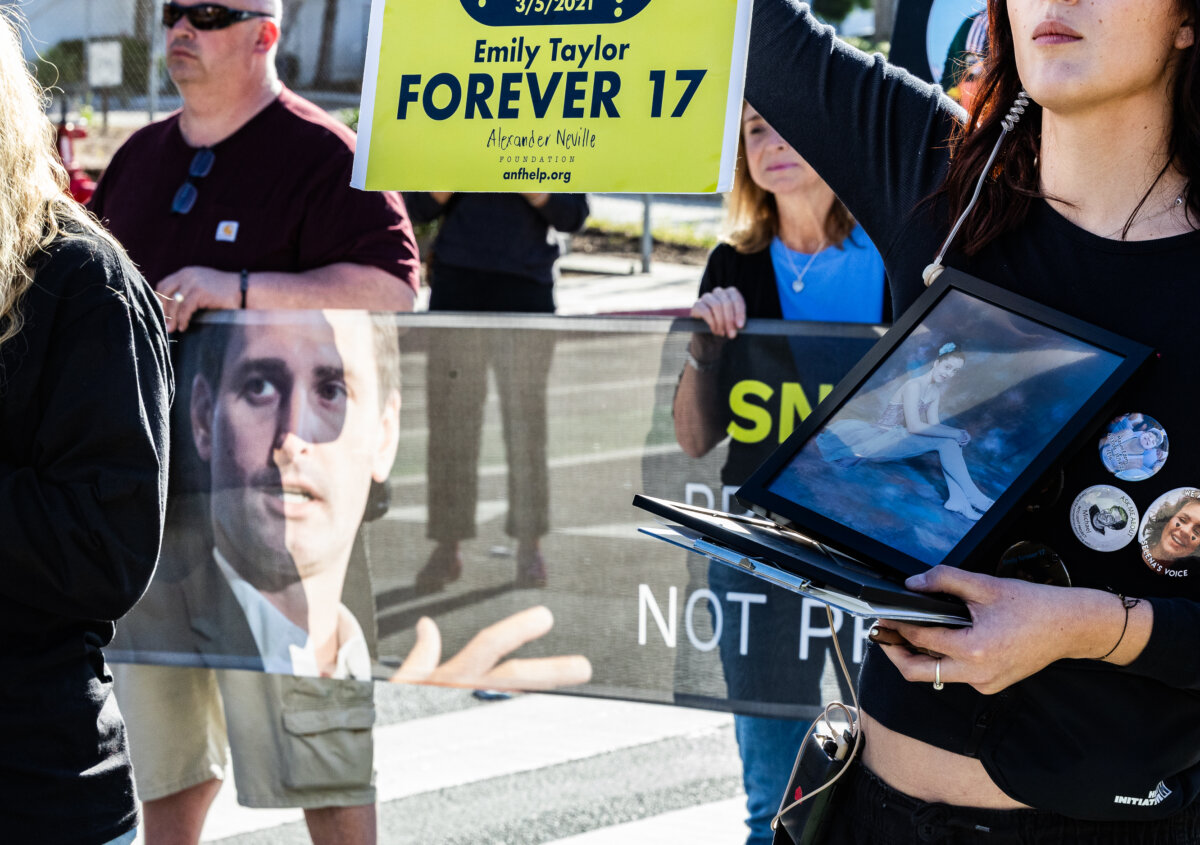
In March, a jury in the United States ordered Meta and YouTube to pay millions of dollars in damages in a case alleging that addictive platform design features caused psychological harm to a young woman.
Snapchat and TikTok were co-defendants in the original lawsuit, but both settled before the trial began in Los Angeles in February.
Reuters and the Associated Press contributed to this report.
 Friends Read Free
Copy
Facebook
Tweet
Friends Read Free
Copy
Facebook
Tweet