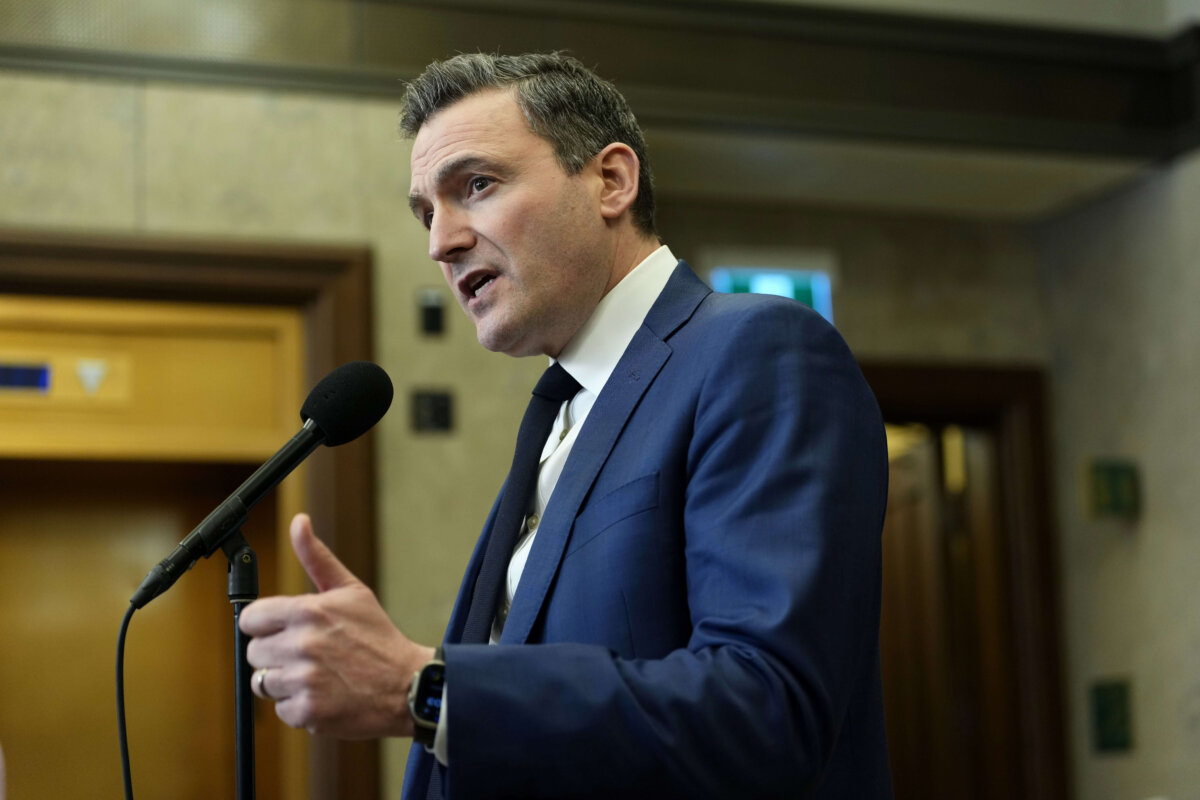

Artificial Intelligence Minister Evan Solomon says OpenAI has agreed to take several actions to strengthen safeguards for ChatGPT after a meeting to discuss the company’s failure to warn police of accounts used by the Tumbler Ridge shooter.
Solomon met with OpenAI CEO Sam Altman on March 4 to “demand immediate steps” to bolster safeguards and accountability in Canada for ChatGPT, according to a statement.
“I asked OpenAI to take several actions, which Mr. Altman has agreed to do,” Solomon said.
The Feb. 10 shooting in Tumbler Ridge, B.C., prompted a closer look into how AI platforms deal with potential signs of violence after OpenAI said it had identified and banned a ChatGPT account last June linked to the shooter, 18-year-old Jesse Van Rootselaar. The account was not brought to the attention of police until after the shooting because the company found no credible or imminent planning of real-world violence, OpenAI has said.
The company has said it contacted the RCMP once it became aware of Van Rootselaar’s name through media reports. It also confirmed it had discovered a second account belonging to the shooter.
Solomon said Altman agreed in the March 4 meeting to establish a direct point of contact with the RCMP and implement safety protocols that “direct individuals experiencing distress to appropriate local support services.”
The minister also asked OpenAI to apply its new safety standards retroactively and review previously flagged cases. He said Altman confirmed the company is doing so.
Canadian Experts
“This will determine whether additional incidents that would have been referred to law enforcement under OpenAI’s new safety standards were missed, and ensure they are promptly reported to the RCMP,” Solomon said.
The company also says it will assess how it could include Canadian privacy, mental health, and law enforcement experts in identifying and reviewing high-risk cases involving Canadians.
In addition, OpenAI will provide a full report outlining its new systems to identify high-risk offenders and repeat policy violators. Solomon said he will also ask the Canadian AI Safety Institute to examine OpenAI’s systems and report back to his office with technical advice.
“These steps represent immediate actions to strengthen safety and accountability,” Solomon said. He added that AI presents “enormous opportunity” for Canada, but Canadians must also be confident that these technologies operate under “clear rules, strong safeguards, and real accountability when risks emerge.”
The federal government is continuing to look at “a range of measures” to strengthen protections, including stronger privacy frameworks, enhanced protections against online harms, and new transparency expectations for AI platforms operating in Canada, Solomon said.
OpenAI vice-president for global policy Ann O’Leary said in a Feb. 26 letter to Solomon that, based on lessons learned, the company would now react differently.
“With the benefit of our continued learnings, under our enhanced law enforcement referral protocol, we would refer the account banned in June 2025 to law enforcement if it were discovered today,” she said.
OpenAI said it has already enhanced its protocols and company representatives are committed to making further security improvements after meeting with federal ministers last week.
Government Response
O’Leary’s letter came after Solomon summoned OpenAI’s senior safety executives to a meeting in Ottawa on Feb. 24. Public Safety Minister Gary Anandasangaree and Culture Minister Marc Miller also attended the meeting, focusing on having the company explain its safety protocols and the thresholds it uses to escalate concerning content to law enforcement.
Meanwhile, Solomon said after the meeting that the ministers expressed “disappointment” that the company’s representatives had presented no “substantial new safety measures.” He noted the company said it would return “shortly” with more “concrete proposals tailored to the Canadian context.” The company also confirmed that it is cooperating with the RCMP in its investigation.
B.C. Premier David Eby has called for a national standard that includes a minimum reporting threshold, saying AI firms should not be trusted to set their own reporting thresholds.
The Liberal government has not yet confirmed whether it intends to regulate AI chatbots or impose other measures, but Solomon has said “all options are on the table.”
The federal Conservatives have called for an independent public inquiry to examine the shooter’s access to firearms and mental health, as well as previous interactions between the shooter and law enforcement, among other topics.
British Columbia’s chief coroner announced on March 3 an inquest to examine the circumstances surrounding the deaths of the eight people killed in the shooting, as well as to “identify any systemic or procedural issues, and make evidence-based recommendations aimed at preventing similar loss of life in the future.”
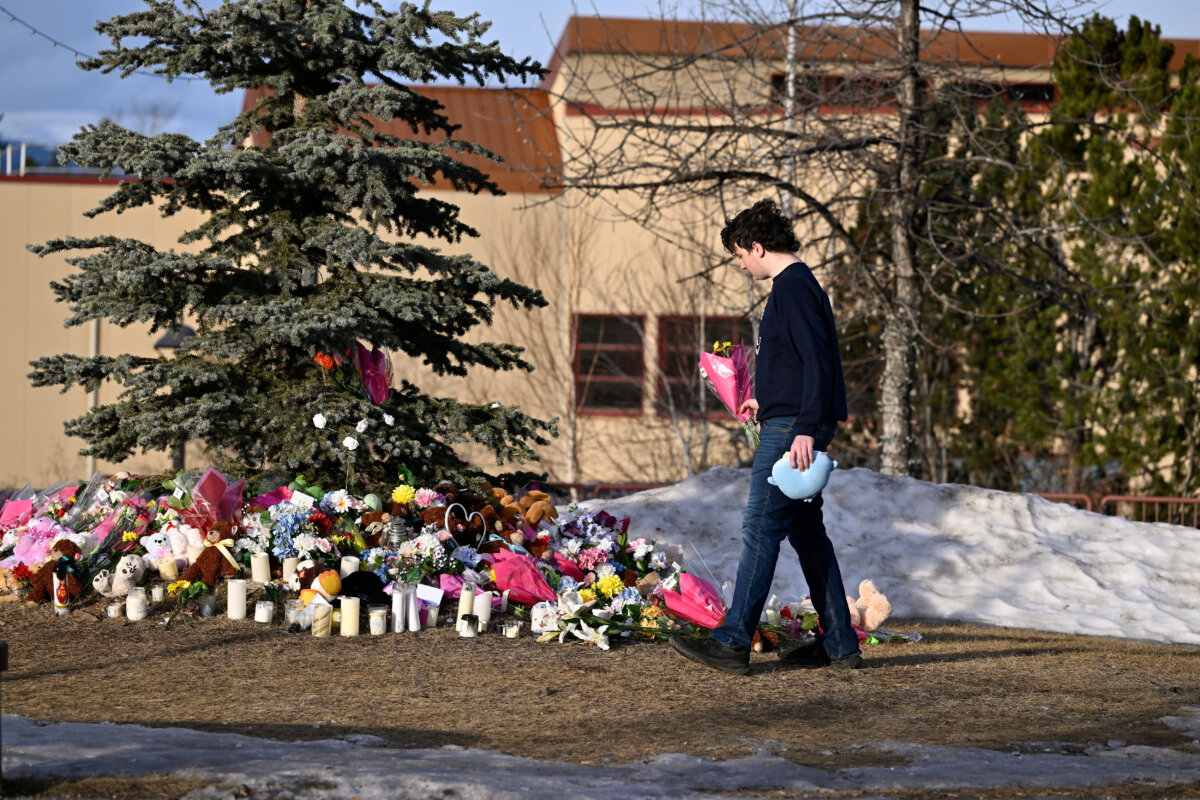
The shooting left 27 people injured and nine dead, including Van Rootselaar, who police say died of a self-inflicted gunshot wound.
The victims include a teacher and five students, ages 12 to 13, killed at Tumbler Ridge Secondary School, as well as Van Rootselaar’s mother and half brother, who were killed at their home. Two other victims were airlifted to hospital, and one remains in critical condition.
Police said Van Rootselaar, who was born a biological male and had begun transitioning to female in recent years, had a history of mental health issues. The RCMP said officers had visited Van Rootselaar’s household on numerous occasions for mental health and firearms issues.
Jennifer Cowan contributed to this report.
 Friends Read Free
Copy
Facebook
Tweet
Friends Read Free
Copy
Facebook
Tweet