
Ottawa will spend more than $159 billion on infrastructure projects over the next five years, the Parliamentary Budget Officer (PBO) estimates.
The Liberal government is expected to spend more than $30 billion each year between fiscal 2025-2026 and 2029-2030, according to a Sept. 18 PBO report on federal infrastructure spending.
The PBO’s projected infrastructure spending includes federally owned assets and transfer payments to provincial, territorial, and municipal levels of government, as well as for indigenous infrastructure projects.
Most of the estimated $30 billion in spending each year is projected to be allocated to transfer payments, at more than $20 billion each year. The report notes its estimates could be higher due to reporting gaps.
“Although the federal government has improved how it reports infrastructure projects, there is no timely, consolidated overview of total infrastructure spending,” the report says. “This reporting gap hinders the ability to fully assess infrastructure spending and its overall impact on the Government’s fiscal position or budgetary balance.”
The report notes the estimate does not include the Liberal government’s boosted defence spending. Prime Minister Mark Carney has pledged that Canada will meet NATO’s defence spending target of 2 percent of GDP by the end of the current fiscal year in March 2026. Additionally, Carney supported NATO’s decision earlier this summer to raise the benchmark to 5 percent of GDP by 2035.
The PBO’s estimates come as Carney has pledged to launch major “nation-building” projects deemed to be of national interest in an effort to build the “strongest economy in the G7” in response to the United States imposing tariffs on Canada.
While addressing the Council of Foreign Relations think tank on Sept. 22, Carney said U.S. President Donald Trump has done Canada a “favour” by forcing Ottawa to become more focused on growing the country’s economy and seeking ways to become more self-sufficient.
Infrastructure Investments
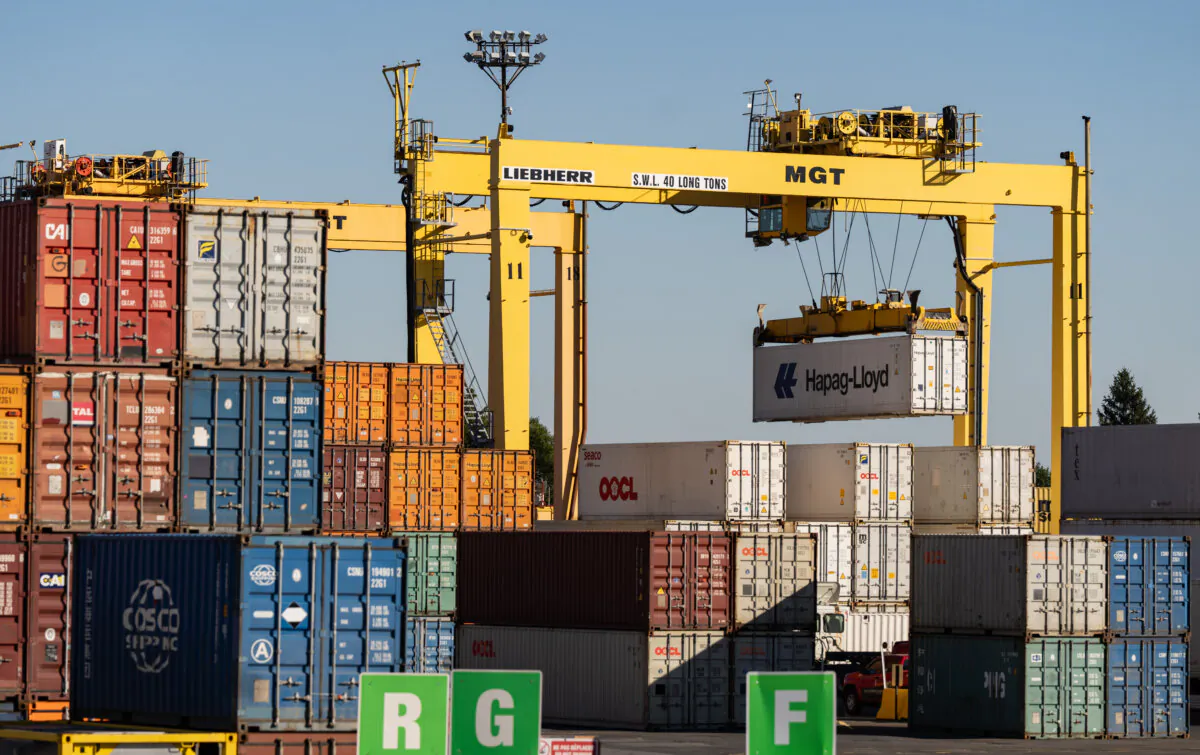
On Sept. 11, Carney announced the first set of major projects his government has recommended for approval by the newly formed Major Projects Office, including the second phase of a liquified natural gas (LNG) project in B.C., expanding the Port of Montreal, a small modular reactors project in Ontario, and two mining projects—one in Saskatchewan and one in B.C.
The prime minister also listed several projects that are at an earlier stage of development but could be part of the next wave of projects after further development. These include Ontario’s Ring of Fire mining projects, a Wind West Atlantic Energy project, the Alberta-based Pathways Plus carbon capture project, an Arctic economic and security corridor, upgrades to the Port of Churchill in Manitoba, and the Alto high-speed rail corridor between Toronto and Quebec City.
On Sept. 14, Carney announced his government’s Build Canada Homes (BCH) initiative that aims to address Canada’s housing crisis, and includes an initial $13 billion in federal funding.
The Liberal government plans to table its first federal budget under Carney on Nov. 4, Finance Minister François-Philippe Champagne said last week. Carney has said the upcoming budget will bring austerity, but has remained vague on the specifics surrounding planned cuts.
“Conservatives are demanding the government reverse this reckless Liberal spending to bring down the deficit, inflation, and the cost of living before his November budget comes forward,” Poilievre said.
When asked by a reporter whether the Tories would be voting in favour of the budget, Poilievre responded that they would make that decision after they see the budget.
Matthew Horwood, Noé Chartier, and Paul Rowan Brian contributed to this report.
 Friends Read Free
Copy
Facebook
Tweet
Friends Read Free
Copy
Facebook
Tweet