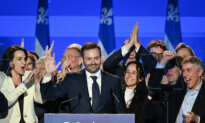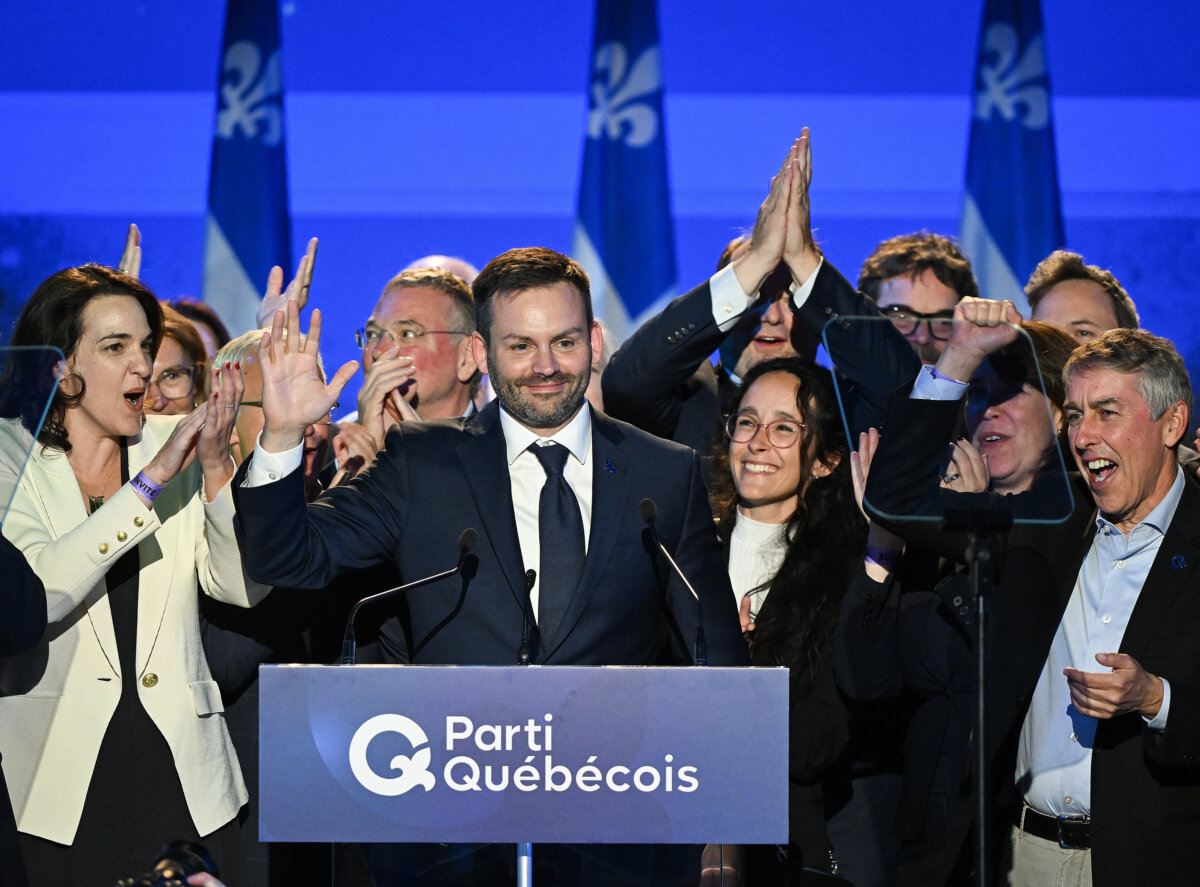

The Parti Québécois (PQ) has won Quebec’s election and will form a minority government under leader Paul St-Pierre Plamondon.
The Oct. 5 result marks a major surge for the party, which won just three seats in the 2022 election.
The PQ won 59 seats, five short of the 64 required for a majority government. The Quebec Liberals finished second with 40 seats, followed by the Quebec Conservatives with 19 and Québec solidaire with nine. The incumbent Coalition Avenir Québec (CAQ) was shut out of the legislature, without any seats.
The last time the PQ formed government was Pauline Marois’ brief, two-year minority administration from 2012 to 2014.
St-Pierre Plamondon had pledged to hold a separation referendum if his party was elected, but not while U.S. President Donald Trump is in the White House.
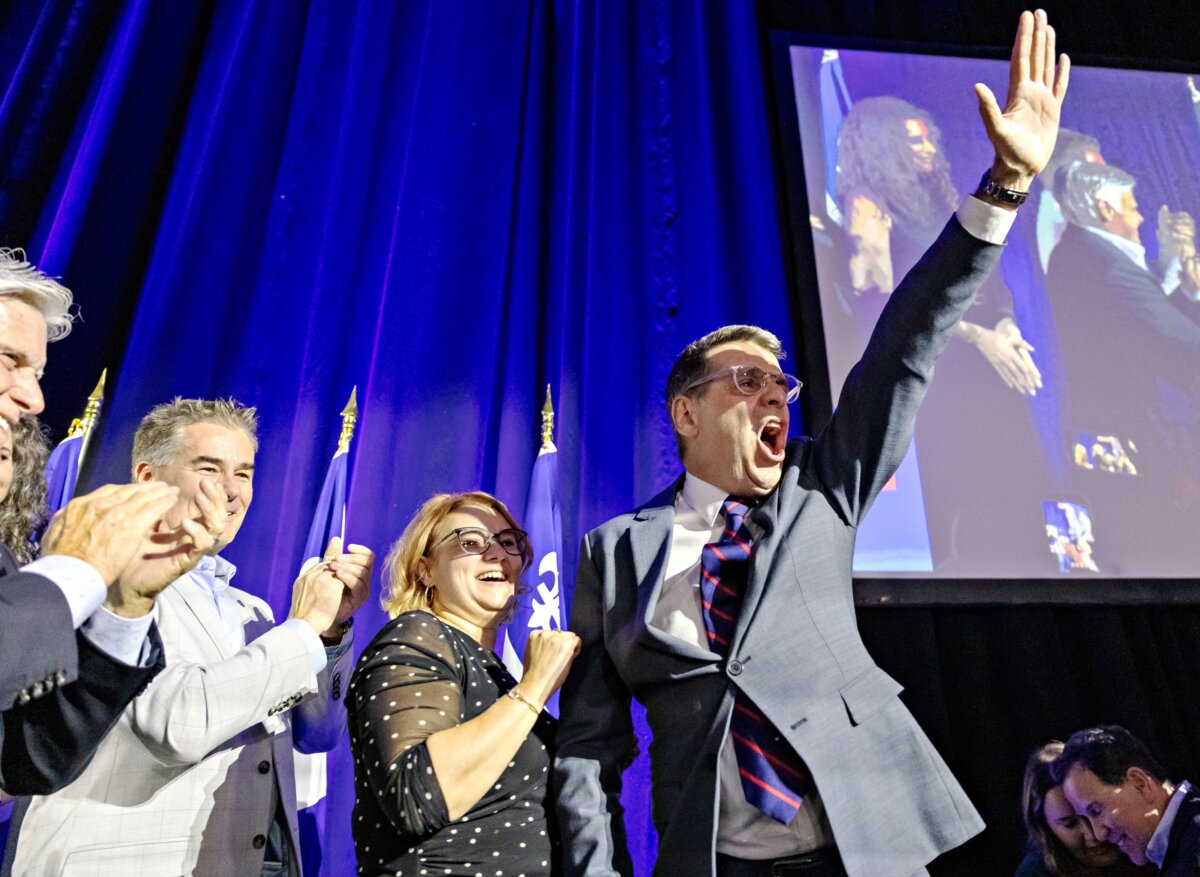
In his victory speech, St-Pierre Plamondon acknowledged that Quebecers have given his party a minority government mandate, and pledged to work collaboratively with opposition parties.
“Quebecers elected the Parti Québécois, asking it to work with the other parties, and I heard that message,” St-Pierre Plamondon said. He added that his government would table an economic update in the fall, and that it would include items from the election platform of all parties, “because there are good ideas coming out of every political party.”
Switching briefly to English, he told English-speaking Quebecers that he would “be the premier for everyone in Quebec.”
“We’re all in the same boat and we share the same future. We have the same interests, and we have before us many challenges and problems that we will solve together,” he said.
Continuing in French, he reiterated his party’s wish for having an independent Quebec. “We just want to exist on our own, just like other countries around the world,” he said. “PQ has been elected, it’s because people understand what we represent.”
He added that he would work collaboratively with Prime Minister Mark Carney “based on the interests of Quebec at all times.”
“Every time he defends Quebec interests, he will see a great partner in us,” St-Pierre Plamondon said.
CAQ’s Total Loss
Incumbent Premier and CAQ Leader Christine Fréchette was the only party leader to lose in her own riding. The CAQ, co-founded by former Premier François Legault in 2011, won back-to-back majority governments in the 2018 and 2022 elections. As polls showed the party’s support declining, Legault resigned as premier and CAQ leader earlier this year. Fréchette, who was a CAQ cabinet minister, subsequently won the party leadership race in April and became premier.
Fréchette congratulated St-Pierre Plamondon on his victory, and said she’ll work with him to ensure an orderly transition of power.
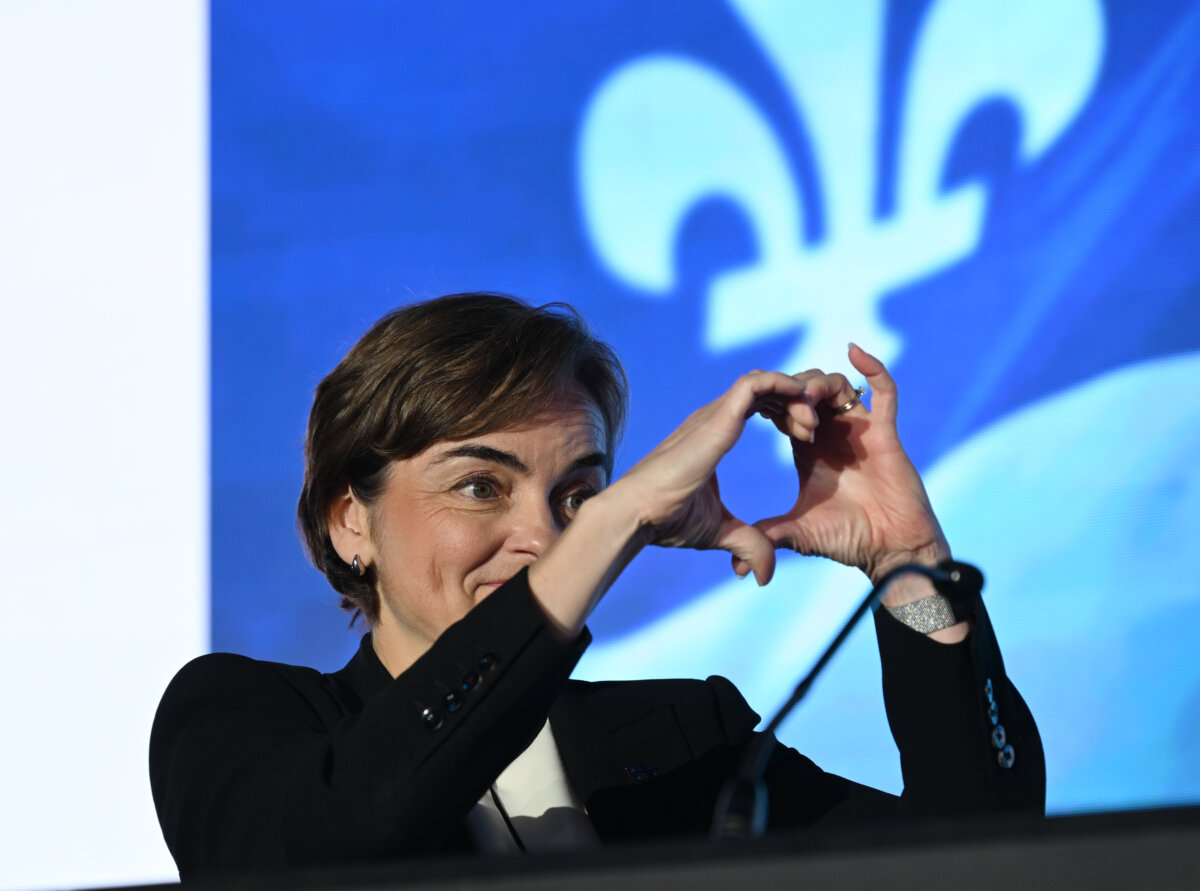
“The result is obviously not the one we were hoping for, but as leader, I take full responsibility,” Fréchette said.
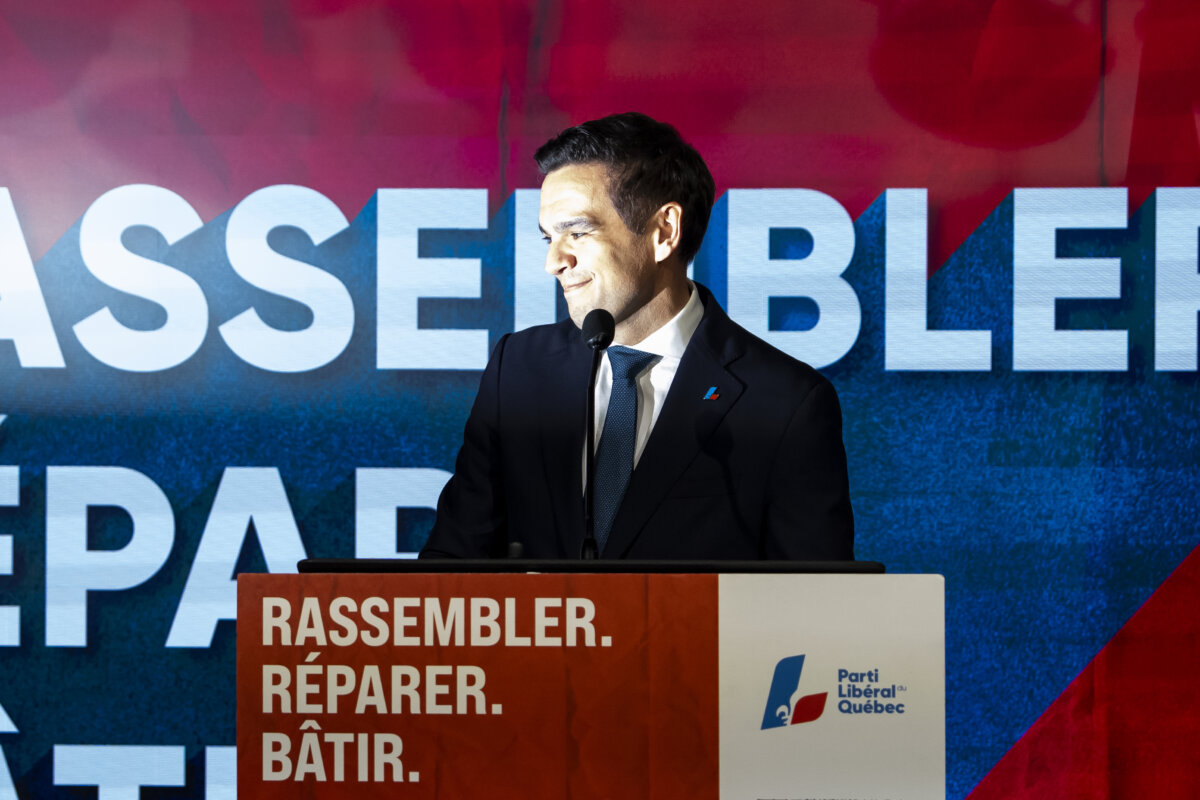
The Liberals, led by Charles Milliard, increased their seat count from 18 to 40 and will maintain their role as the Official Opposition. Milliard said his party would collaborate with the minority PQ government on issues involving the province’s interests in housing and the economy, but oppose any potential separation referendum.
Addressing St-Pierre Plamondon, Milliard said, “Preparing your referendum will find you facing a clear opponent in the Liberal Party.”
The election marked a major breakthrough for the Quebec Conservatives under leader Éric Duhaime, going from no elected MNAs in the last election to winning 19 seats this time. The party has previously had MNAs cross the floor from other parties to join its ranks, but this is the first time since the modern version of the party was formed in 2009 that candidates have been elected under its banner.
Duhaime, who took over as leader in 2021, recounted the efforts it took over the years to move the party forward, saying it had just 300 members and was polling at about 3 percent when he started, to now having official party status and over 20 percent of the overall vote.
He said the governing PQ can count on the Conservatives’ support when it comes to issues of cutting red tape and “putting money back in families’ pockets,” but that his party would oppose attempts to hold a separation referendum. Switching to English, he said the anglophone community of Quebec now has a “credible alternative” to the Quebec Liberals.
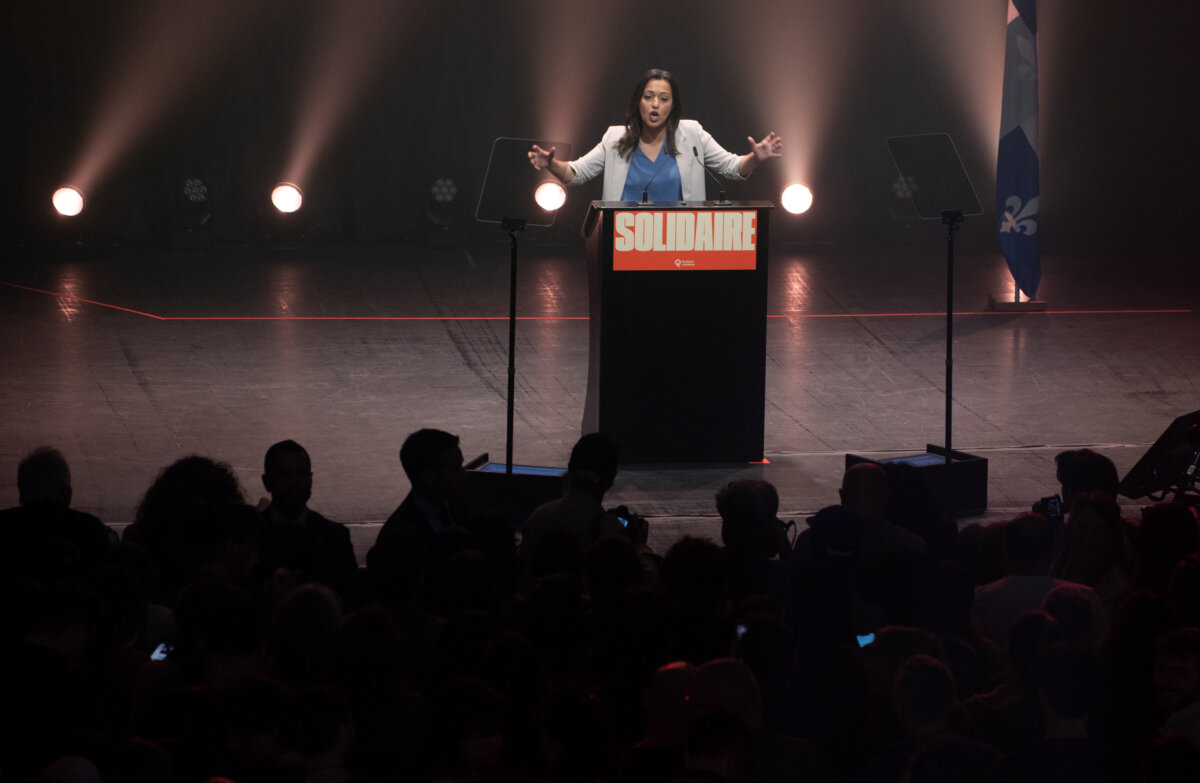
The left-wing sovereigntist Québec solidaire’s nine seats mean that it will not be recognized as an official party in the National Assembly of Quebec. The party won 11 seats in the 2022 election, but reached the minimum threshold of 12 MNAs for official party status after winning a byelection in 2023.
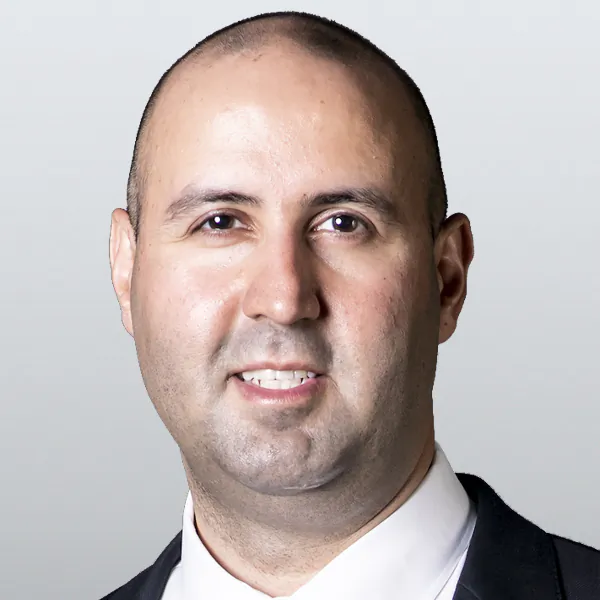
The party’s co-spokesperson Ruba Ghazal said her party will work to “build a country with the indigenous people, with anglophones, and have a country for everyone.”
While the provincial Liberals and Conservatives would oppose the PQ’s potential attempts to call a separation referendum, Québec solidaire, with its nine MNAs, could hold the balance of power and support the minority government in holding a referendum.
Carney congratulated St-Pierre Plamondon on his victory, and thanked Fréchette for her service.
“Building a stronger Québec is core to our mission of building a stronger Canada. I look forward to working with you [St-Pierre Plamondon] to support Québec’s businesses and workers impacted by tariffs, create more good jobs, work to end homelessness, and get more homes built across Québec,” he said in a social media post.
Election Campaign
Ahead of the election, St-Pierre Plamondon had outlined an agenda for his first 100 days in office that would include a special budget for homelessness, streamlining bureaucratic processes, eliminating taxes on used goods, reducing the gas tax, and directing resources to community organizations and food banks.
He criticized what he calls “uncontrolled immigration,” particularly temporary immigration levels, during the campaign, linking immigration levels to the province’s housing shortage, the decline in French-language usage, challenges in the education system, and pressure on public services.
He also outlined plans to oppose the monarchy, including ending funding for the office of the lieutenant-governor and redirecting those funds to help curb homelessness.
CAQ Leader Fréchette heavily focused her campaign on responding to the Trump presidency while presenting her party as the federalist option to stand up to separatists. Ahead of election day, she told reporters she was proud of how she ran her campaign, but also expressed regret for not focusing more on the referendum’s potential dangers.
Liberal Leader Milliard also presented his party as the federalist response to the separatists, and called on voters seeking to prevent a PQ government to strategically cast their ballots for his candidates. The party has been mired in turmoil, with allegations of vote-buying in its leadership race and candidates and staff being forced out of the party.
Milliard took over as party leader in February 2026 from interim leader Marc Tanguay, who had in turn taken over from former federal Liberal cabinet minister Pablo Rodriguez in 2025. Rodriguez resigned amid the alleged leadership race vote-buying scandal. Quebec’s anti-corruption police reportedly cleared Rodriguez himself of any wrongdoing in the scandal in August 2026.
The Conservatives’ Duhaime had campaigned to use his party’s representation to serve as a “guard dog” for taxpayers’ financial interests, call for tax cuts and a smaller government, utilize the private sector to reduce wait times in health care, and oppose another sovereignty referendum.
Québec solidaire co-spokesperson Ghazal, running a left-wing sovereigntist campaign, campaigned against immigration cuts and for increasing permanent immigration levels, while calling for greater investment in public services and measures to address the housing crisis.
 Friends Read Free
Copy
Facebook
Tweet
Friends Read Free
Copy
Facebook
Tweet