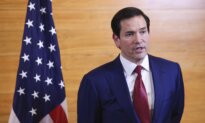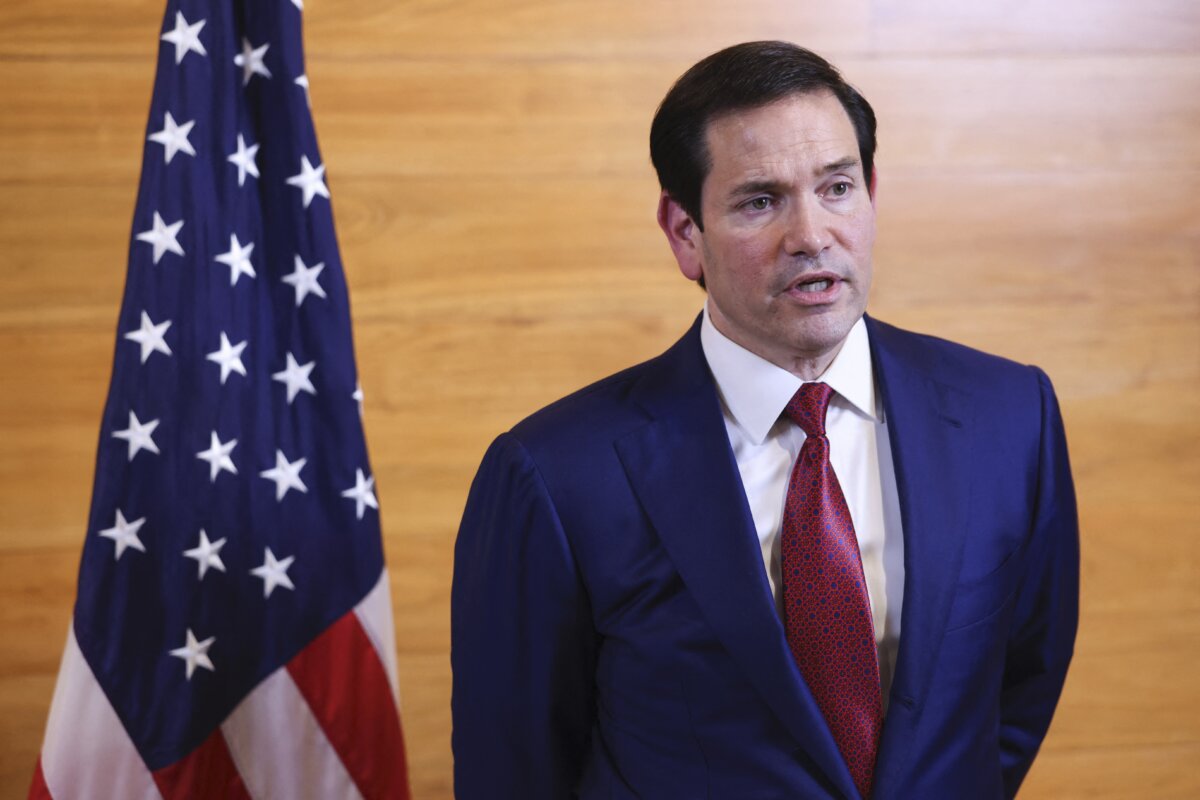
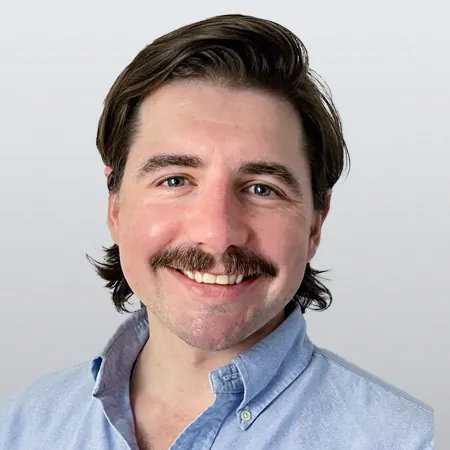
U.S. Secretary of State Marco Rubio warned Americans on Feb. 25 that “Iran poses a very grave threat to the United States and has for a very long time,” ahead of indirect talks between Washington and Tehran in Geneva, Switzerland.
The talks, taking place in the Swiss city on Feb. 26, will be the third such meeting between representatives of both nations and are being mediated by Oman. Washington wants a deal to constrain Tehran’s nuclear program, while Iran has maintained it wants to continue to enrich uranium even as its program sits in ruins, following the U.S. attack in June on three of its nuclear sites, part of the 12-day war last year.
Rubio said that after Tehran’s nuclear program was obliterated during Operation Midnight Hammer, “they were told not to try to restart it,” but “they’re always trying to rebuild elements of it.”
“You can see them always trying to rebuild elements of it. They’re not enriching right now, but they’re trying to get to the point where they ultimately can,” he said.
Rubio, who was speaking in the Caribbean country of St. Kitts and Nevis, said another issue was that Tehran “possesses a very large number of ballistic missiles, particularly short-range ballistic missiles that threaten the United States and our bases in the region and our partners in the region, and all of our bases in the UAE, in Qatar, in Bahrain.”
He added that the theocratic regime also had naval assets that threatened shipping and were attempting to threaten the U.S. Navy.
“So I want everybody to understand that, and beyond just the nuclear program they possess these conventional weapons that are solely designed to attack America and attack Americans, if they so choose to do so,” he said.
The United States’ top diplomat said that these things “have to be addressed.”
He stated that the third round of U.S.–Iran negotiations will largely focus on Tehran’s nuclear program.
“We hope progress can be made because that’s the President’s preference: to make progress on the diplomatic front,” Rubio said, but added that the fact that Iran refuses to talk to Washington, or anyone else, about its ballistic missiles was a “big problem.”
Geneva Talks Underway
U.S. special envoy Steve Witkoff and Trump’s son-in-law Jared Kushner are in Geneva for the Feb. 26 talks. The negotiations, hosted and mediated by Omani Foreign Minister Sayyid Badr bin Hamad al-Busaidi, follow previous talks in the same Swiss city on Feb. 17, and in Muscat, Oman, on Feb. 6.
The Gulf state’s Foreign Ministry said in a Feb. 26 post on X that a meeting with Witkoff and Kushner had taken place, and that it “addressed the views and proposals of the Iranian side and the responses and inquiries of the American negotiating team related to addressing the main elements of Iran’s nuclear program and the guarantees necessary to achieve the desired agreement on this important file in all its technical and regulatory aspects,” according to a translation.
Al-Busaidi met with Iranian Foreign Minister Abbas Araghchi the day before in Geneva, a separate post on X from the Omani Foreign Ministry confirmed.
Iranian foreign ministry spokesperson Esmaeil Baghaei told Press TV on Feb. 26 that the negotiations would focus solely on nuclear topics and the lifting of sanctions, adding that Tehran was heading into them with “seriousness and flexibility.”
As the talks take place, the world’s largest aircraft carrier, the USS Gerald R. Ford, left an American naval base in southern Greece on Thursday after a brief stopover of a few days en route to the Middle East.
The United States has deployed a large number of warships and aircraft in the region amid heightened tensions between Washington and Tehran.
Trump Says Iran Attempting to Restart Nuclear Program
Rubio’s comments built on statements by U.S. President Donald Trump in his State of the Union address to Congress on Feb. 24, and by U.S. Vice President JD Vance on Feb. 25.
During his Feb. 24 speech, Trump said Iran was attempting to reboot its nuclear program, working to build missiles capable of reaching the United States, and was responsible for roadside bombings that have killed U.S. service members and civilians.
He has also warned that it will be a “very bad day” for Iran if no deal is reached to solve the long-running dispute over Tehran’s nuclear program.
Vance told reporters the day after Trump’s address that “the principle is very simple: Iran cannot have a nuclear weapon.”
Sen. Lindsey Graham (R-S.C.) sounded a more bellicose note in a Feb. 25 post on X, calling for the people of Iran to overthrow the regime.
Iran, which has among the largest oil and gas reserves in the world, has always said it seeks only to develop nuclear power and is not making weapons.
Iranian President Masoud Pezeshkian said his nation would not have nuclear weapons because the country’s religious leader, Ayatollah Ali Khamenei, has said Iran has no intention of pursuing them.
“The religious leader of a society can’t lie,” Pezeshkian said on state television on Feb. 26 in Sari, northern Iran. “When he announces that we won’t have nuclear weapons, it means we won’t. Even if I want to do that, I can’t, because of my beliefs.”
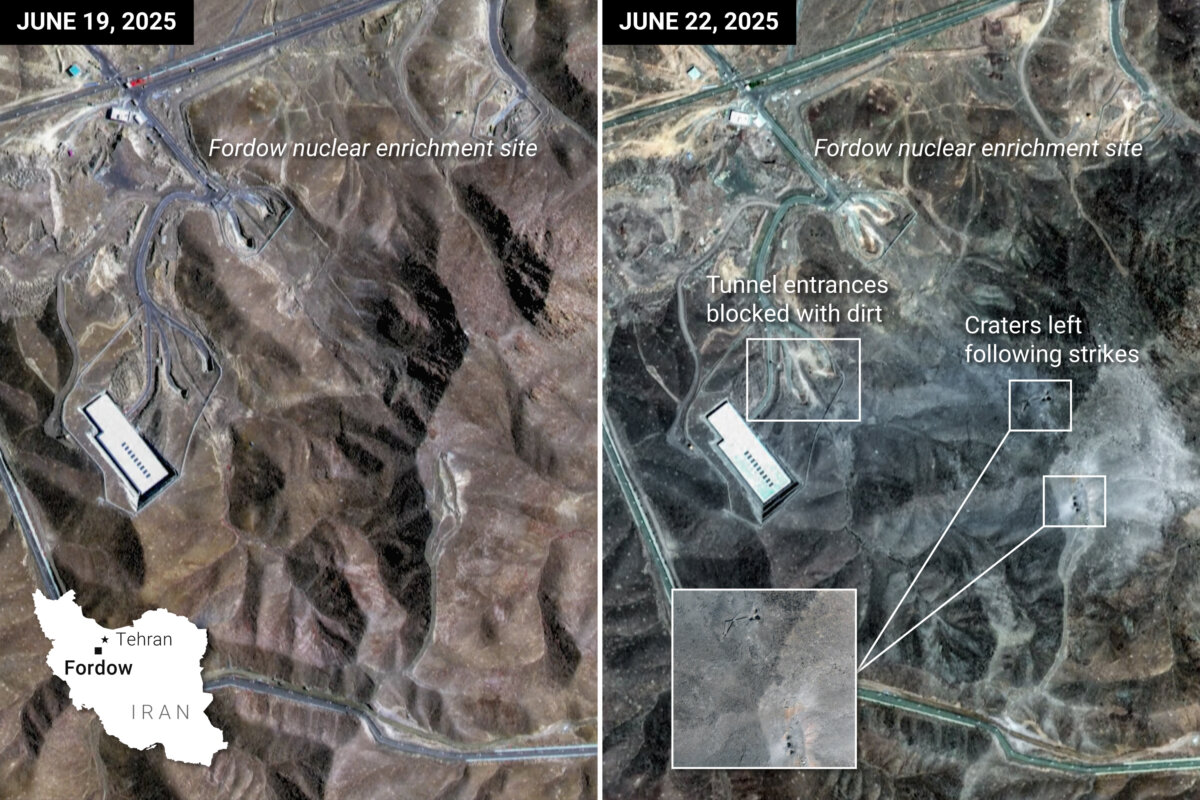
Tehran suspended negotiations with Washington last year after U.S. Air Force B-2 Spirit stealth bombers dropped 30,000-pound bunker-busting bombs on Fordow, a nuclear site deep underground, on the night of June 21–22, 2025.
That site, Iran’s Natanz enrichment facility, and its Isfahan nuclear technology center were hit in a series of strikes intended to destroy, or otherwise significantly set back, Iran’s nuclear program.
A cease-fire was agreed on June 24, 2025, hours after the Iranians launched a symbolic missile strike against a U.S. military base in Qatar in retaliation for the bombing of Fordow.
Chris Summers, Reuters, and The Associated Press contributed to this report.
 Friends Read Free
Copy
Facebook
Tweet
Friends Read Free
Copy
Facebook
Tweet