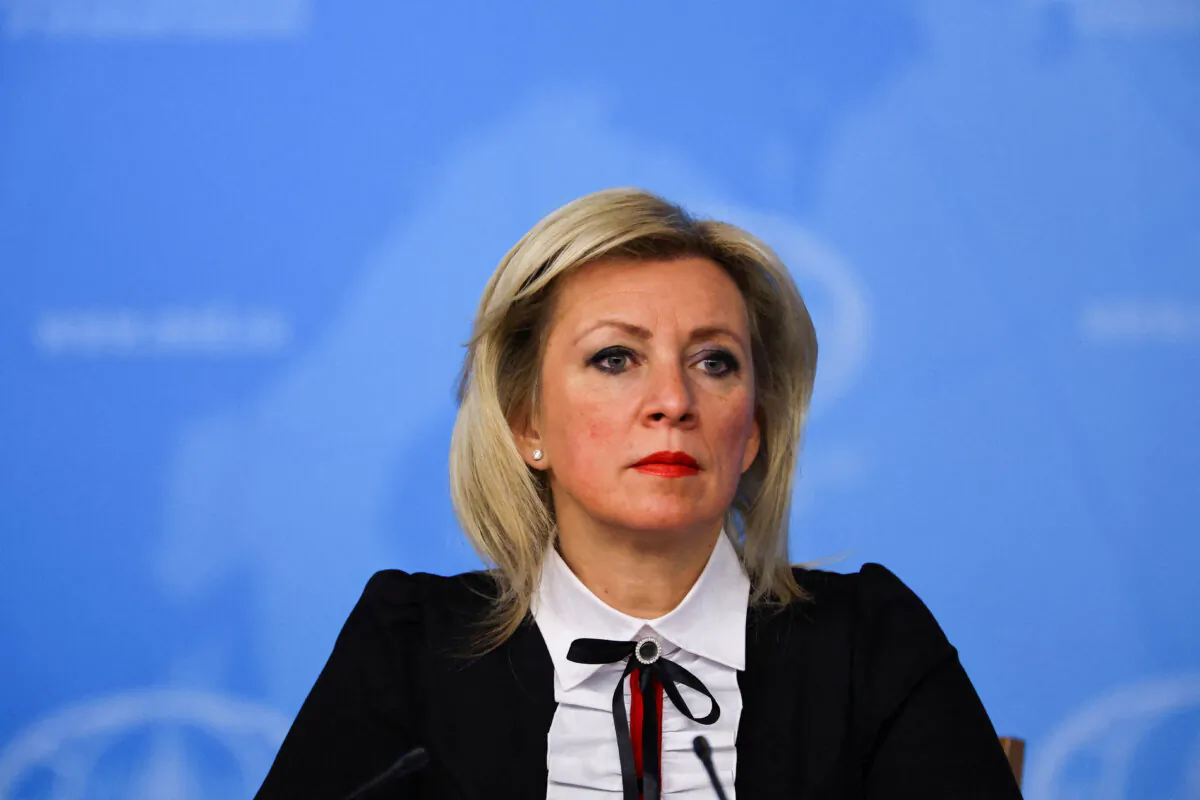

Russia has accused Ukraine of preventing a deal from being reached in peace talks.
On June 4, Russian Foreign Ministry spokeswoman Maria Zakharova told reporters in the Russian capital, “Once again, it is abundantly clear that Kiev is still extremely aggressive and not inclined to find rational solutions.”
She further stated that attempts by Ukraine and its allies to increase pressure on Moscow were pointless.
“We will respond appropriately to such approaches,” she said, according to Russian state news agency TASS. “And we will not allow anyone to talk to us from a position of strength, let alone in the language of ultimatums.”
Zakharova’s comments come two days after delegations from Moscow and Kyiv ended the second round of cease-fire talks in Istanbul after just an hour.
Those talks took place after a string of Ukrainian drone attacks on Russian air bases, which Kyiv claims destroyed or damaged a significant portion of Russia’s strategic bomber fleet, striking at the heart of Moscow’s ability to deliver nuclear payloads.
Speaking on June 2, Ukrainian President Volodymyr Zelenskyy said he believed that Russia would prove more willing to negotiate if it took more such losses.
“Russia must feel what its losses mean,” he said. “That is what will push it toward diplomacy.”
The wide-reaching attack struck targets in multiple time zones, including an air base more than 2,500 miles from Ukraine, and used smuggled commercial drones launched from trucks parked near the bases.
The drone strikes were followed by an explosive attack that severely damaged the Kerch Bridge linking Russia with Crimea, according to Kyiv’s SBU intelligence agency.
On its Telegram channel, the service said, “The SBU conducted a new unique special operation and struck the Crimean Bridge for the third time—this time underwater!”
Zakharova labeled both actions “terrorist attacks” designed to undermine the peace talks.
“The Kiev regime and its European Union sponsors have made considerable efforts trying to disrupt the next round of negotiations in Istanbul and thereby torpedo the emerging peace process,” she said, according to TASS. “They resorted to their favorite terrorist methods.”
Her comments follow remarks by Keith Kellogg, U.S. President Donald Trump’s envoy for Ukraine, who said the massive Ukrainian drone attack on Russia had resulted in an increased risk of nuclear war.
“I’m telling you, the risk levels are going way up,” Kellogg told Fox News on June 3.
“People have to understand in the national security space: When you attack an opponent’s part of their national survival system, which is their triad, the nuclear triad, that means your risk level goes up because you don’t know what the other side is going to do. You’re not sure.”
A nuclear triad relies on strategic bombers, land-launched intercontinental ballistic missiles, and submarine-launched ballistic missiles to deliver a potential second strike in a nuclear exchange.
Moscow has yet to confirm whether the targeted aircraft were nuclear-capable.
Meanwhile, on June 3, Ukrainian Foreign Minister Andrii Sybiha accused Russia of putting forward “old ultimatums” at the latest round of talks in Istanbul.
“During the meeting, our delegation asked the Russians what were their considerations,” Sybiha wrote on social media platform X. “They didn’t provide any, neither during the meeting nor after.
“We demand Russia’s reply. Each day of silence from them proves their wish to continue the war. Instead of responding to our constructive proposals in Istanbul, the Russian side passed a set of old ultimatums that do not move the situation any closer to true peace.”
Washington remains concerned by the slow progress of talks, with U.S. Vice President JD Vance saying last month that if the United States determined that either side was acting wholly in bad faith and unwilling to engage in the peace process, it would walk away from cease-fire efforts and let the two nations fight it out.
Adam Morrow contributed to this report.
 Friends Read Free
Copy
Facebook
Tweet
Friends Read Free
Copy
Facebook
Tweet