
South Korea is considering gradual support for international efforts to protect shipping through the Strait of Hormuz, Defense Minister Ahn Gyu-back said on May 13.
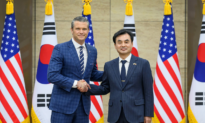
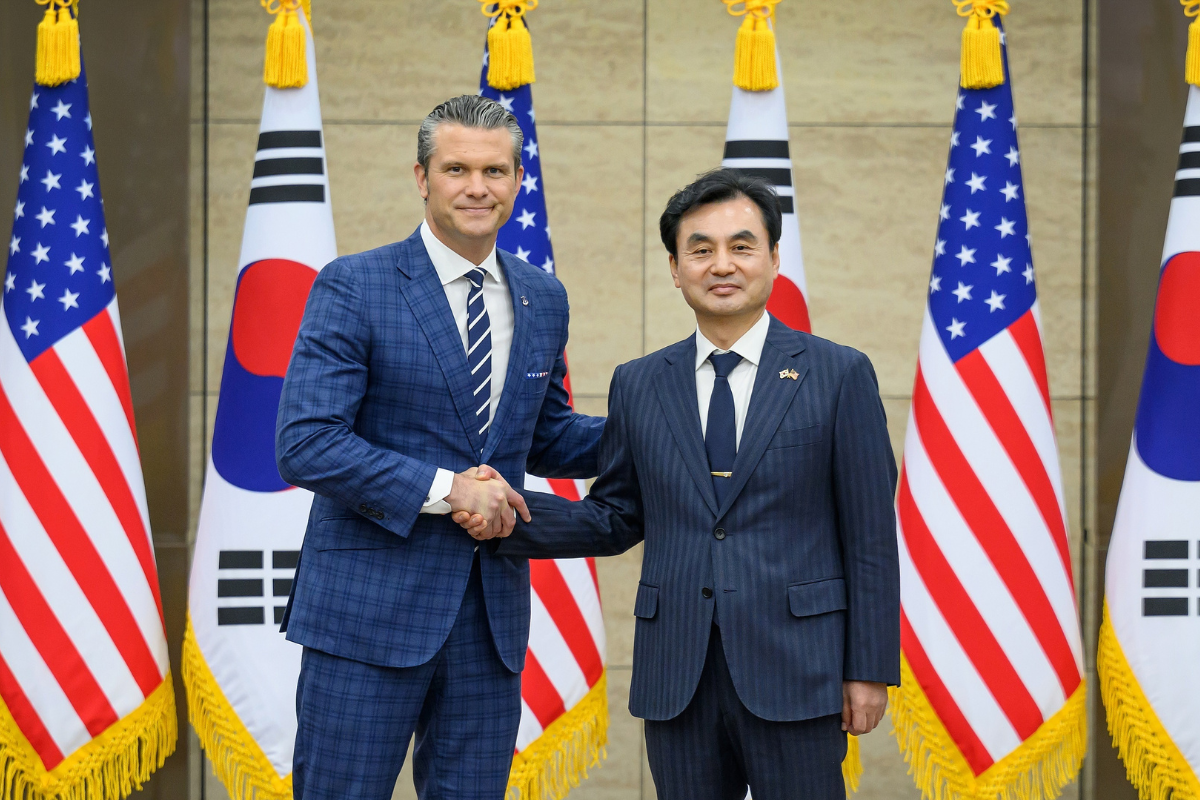
Speaking at a press conference in Washington, Ahn said he discussed Seoul’s position during a May 11 meeting with U.S. War Secretary Pete Hegseth.
Ahn said possible forms of support could include political backing, dispatching personnel, intelligence sharing, and the provision of military assets.
“There was no deep discussion on something like specifically expanding our military’s participation,” Ahn said on May 13, adding that any decision would need to comply with South Korean legal procedures.
Seoul is reviewing whether to join the U.S.-led Maritime Freedom Construct, South Korean presidential national security adviser Wi Sung-lac told reporters on May 13.
The naval mission kicked off on May 4 amid the ongoing disruptions in the Strait of Hormuz and aims to guide ships “safely out of … restricted Waterways” and provide humanitarian relief.
The Strait of Hormuz remains one of the world’s most strategically important waterways, carrying roughly one-fifth of global oil shipments.
US–South Korea Alliance
Ahn said that Seoul “will review ways to contribute in a phased manner” to ensure safe navigation through the Strait of Hormuz. His remarks came after an attack on a South Korean-flagged vessel near the Strait of Hormuz last week.
South Korean officials have condemned the attack on the cargo ship HMM Namu and announced plans on May 11 to respond once the source of the attack is identified.
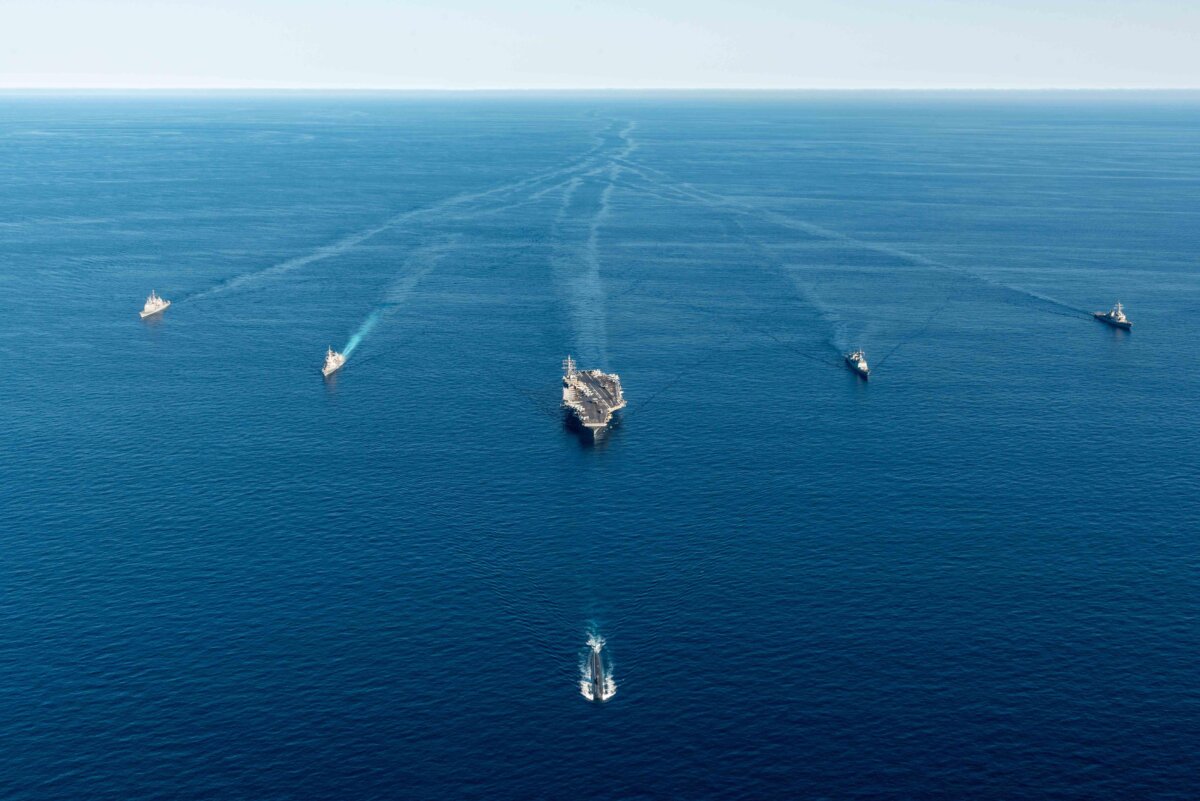
At the May 12 Pentagon meeting with Ahn, Hegseth said Washington expected allies to “stand shoulder-to-shoulder” amid what he described as rising global threats. He referenced U.S. President Donald Trump’s authorization of Operation Epic Fury as evidence of the administration’s resolve.
The two defense chiefs discussed alliance modernization, wartime operational control transition, and efforts to strengthen the combined U.S.–South Korea defense posture, according to a readout from the U.S. War Department.
Ahn also outlined Seoul’s plans to increase defense spending and expand key defense capabilities.
UK Deployment Amid Ceasefire Strains
As part of efforts to protect commercial shipping through the Strait of Hormuz, the UK government said on May 12 that it would deploy autonomous mine-hunting systems, counter-drone technology, Typhoon fighter jets, and the destroyer HMS Dragon to support a multinational maritime mission.
John Healey, British defense secretary, said the mission would be “defensive, independent, and credible” and aimed at restoring confidence in commercial shipping through the strategic waterway.
UK officials said more than 1,000 British personnel are already stationed across the region as part of ongoing defensive operations, including fast-jet squadrons and counter-drone teams.
The latest diplomatic and military discussions unfolded against the backdrop of the U.S.–Iran ceasefire, reached in April.
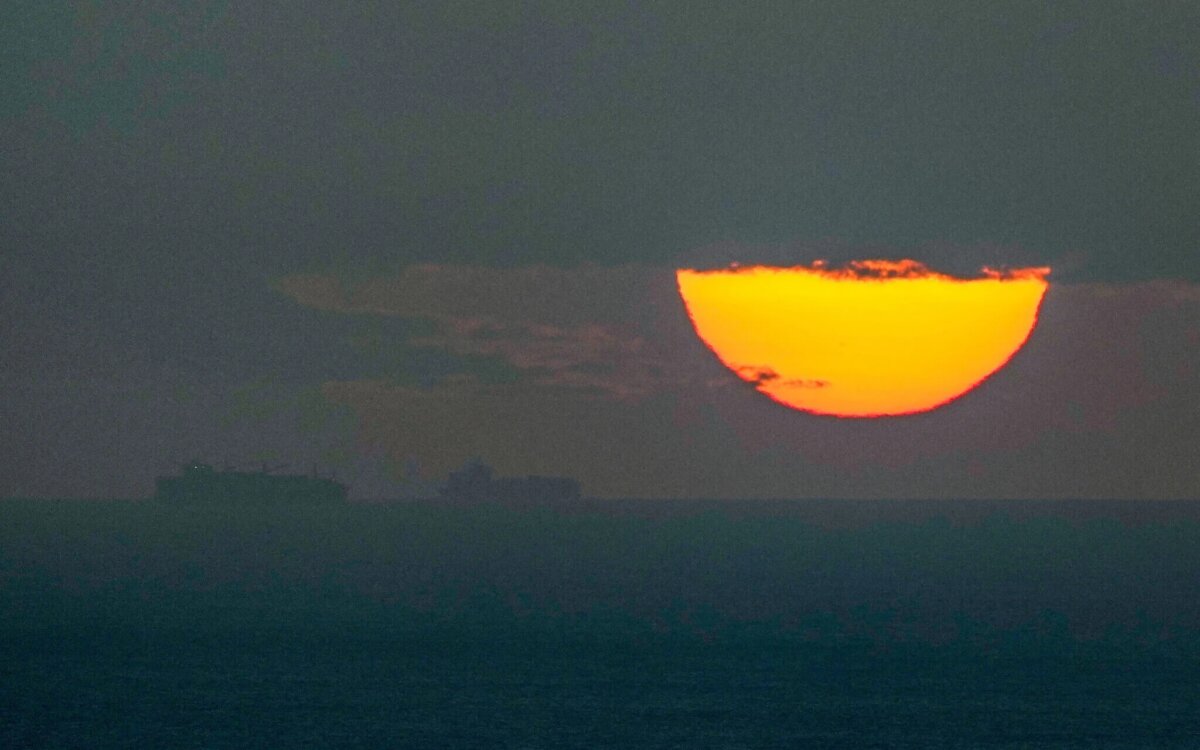
A U.S. naval blockade on vessels entering or departing Iranian ports and coastal areas remains in place, while Tehran imposed what it described as “strict military oversight” in the Strait of Hormuz.
Trump said on May 11 that the ceasefire was on “life support” and “unbelievably weak” after Iran submitted what he called an unacceptable proposal to end the conflict.
Responding to Trump’s remarks, Iranian Foreign Ministry spokesman Esmail Baghaei said Tehran’s proposal included what he described as reasonable demands and suggested that Iran should retain authority over the strait.
Ebrahim Azizi, chairman of the Iranian parliament’s national security commission, warned regional governments on May 12 against supporting a U.S.-backed U.N. resolution condemning Iran’s attacks on shipping in the Strait of Hormuz.
Azizi said in a post on X that governments siding with Washington would face “severe consequences” and warned against risking closure of the Strait of Hormuz.
U.S. Ambassador to the United Nations Mike Waltz wrote in a May 12 post on X that Iran was “threatening its neighbors” and would “continue to mine international waters and attack commercial vessels.”
Waltz said the comments demonstrated why the United States opposed allowing Iran to obtain nuclear weapons.
Reuters contributed to this report.
 Friends Read Free
Copy
Facebook
Tweet
Friends Read Free
Copy
Facebook
Tweet