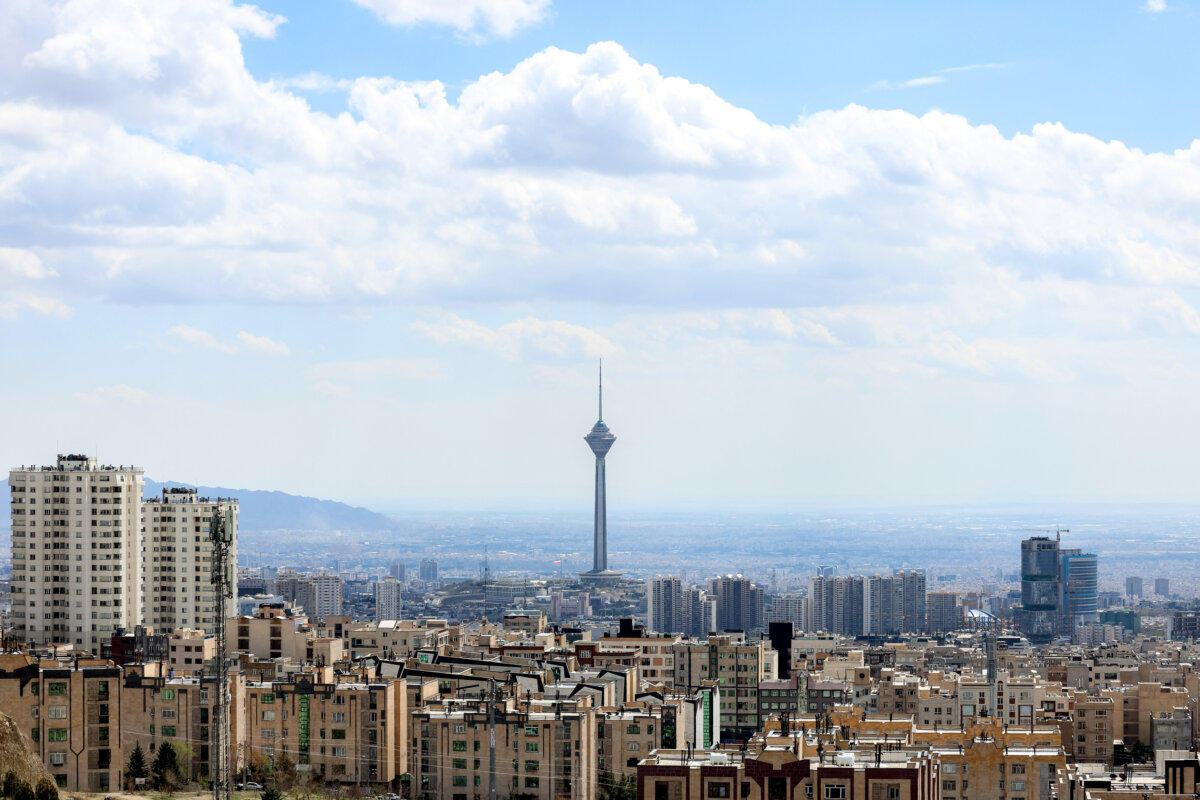

U.S. President Donald Trump said on April 12 that he does not care whether Iran returns to the negotiating table after peace talks between Washington and Tehran in Pakistan concluded without a deal.
Speaking to reporters at Joint Base Andrews in Maryland, Trump was asked how long he’d be prepared to wait for Iran to resume talks to draw the conflict to a close.
“I don’t care if they come back or not,” he replied. “If they don’t come back, I’m fine.”
The president said that he thinks Iran is in “bad shape.”
“I think they’re very desperate. We had a meeting that lasted 21 hours. We understand the situation better than anybody, and Iran’s in very bad shape,” he said.
He further stated that there was “no way” Iran was going to get a nuclear weapon, but that during negotiations, they had made clear that they still wanted one.
Trump also described the ceasefire as “holding well,” adding that Iran’s military is destroyed and their “whole navy is underwater.”
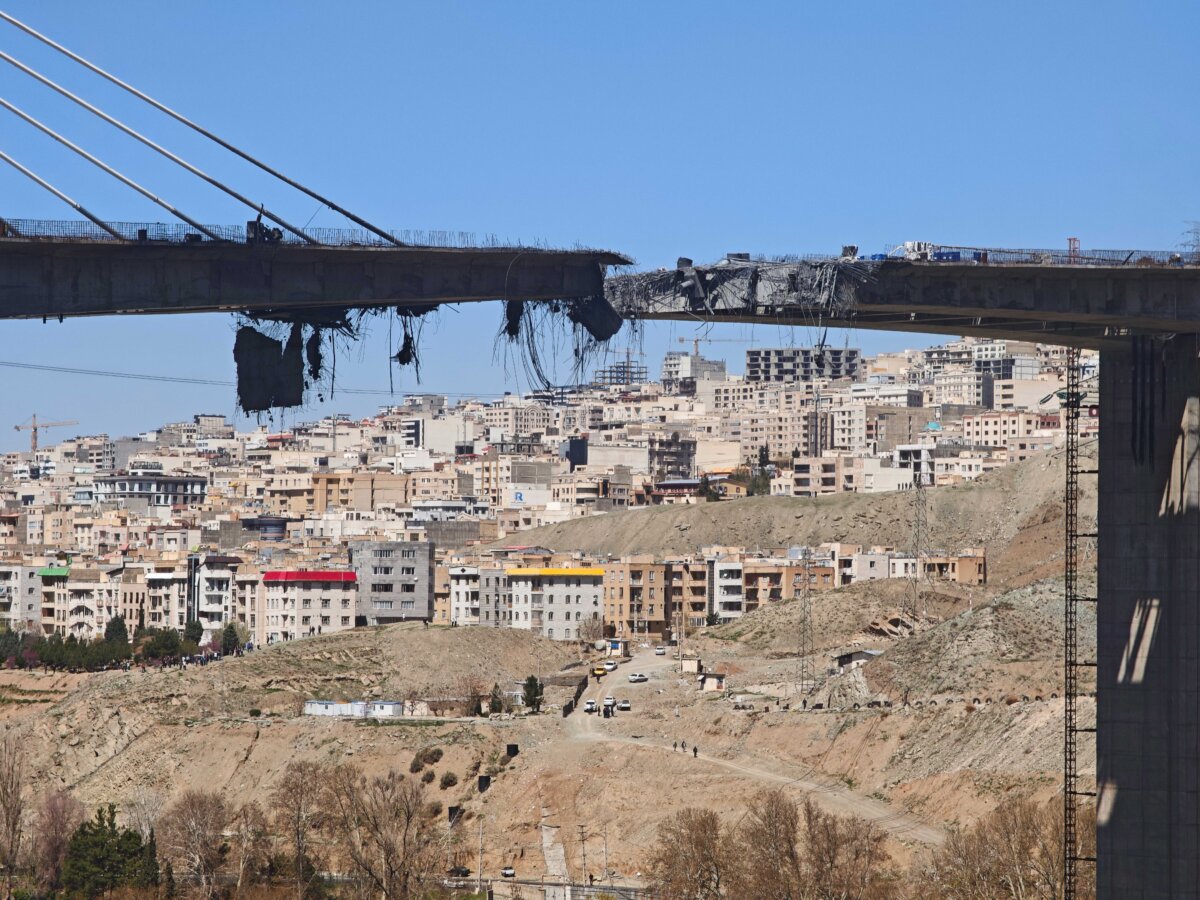
“We’ve been very nice,” he said. “We haven’t ripped down too many bridges. We did one, only because they broke their word, they broke their promise. And remember, their promise was that they were going to open the Hormuz Strait. They didn’t do it. They lied.”
The U.S. president said in an April 12 post on Truth Social that the United States would block the Strait of Hormuz and warned that if Iran tried to impose a toll on vessels passing through the waterway, no vessel that paid it “will have safe passage on the high seas.”
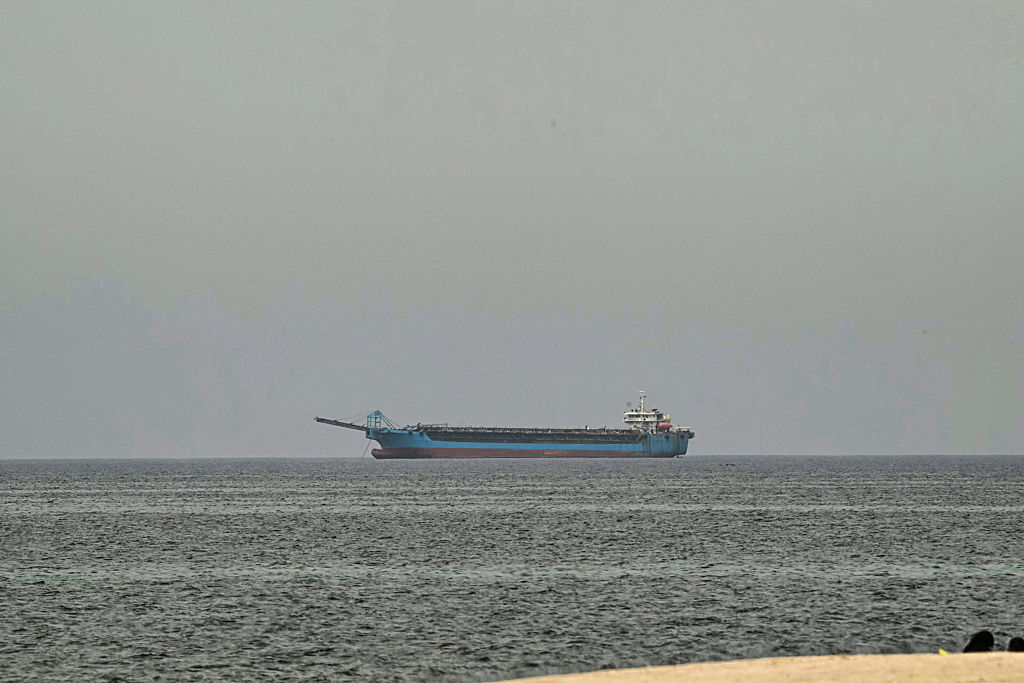
U.S. Central Command later clarified that the blockade—set to begin on April 13 at 10 a.m. ET—would apply specifically to vessels entering or exiting Iranian ports, not to broader commercial traffic moving through the strait.
Following Trump’s remarks, Iran’s military leadership warned on April 13 that no port in the Persian Gulf or Gulf of Oman would remain secure if the United States proceeded with a naval blockade targeting Iranian shipping, raising the risk of a wider maritime confrontation across key regional waterways.
In a statement carried by state-linked media, the spokesperson for the Khatam al-Anbiya Central Headquarters said maritime security in the region must apply to all or to none, warning that any threat to Iranian ports would trigger reciprocal measures.
“Security in the Persian Gulf and the Sea of Oman is either for everyone or for no one,” said the spokesperson, Lt. Col. Ebrahim Zolfaqari, according to a post on X by Iranian state broadcaster IRIB. “If Iran’s ports are threatened, no port in the region will be safe.”
Iran has labeled the move an unlawful restriction on international waters and warned of wider consequences.
Zolfaqari described the U.S. actions as “piracy” and said Tehran would continue to enforce its own rules governing passage through the Strait of Hormuz, including barring vessels affiliated with “enemy forces” while allowing others to transit under Iranian regulations, according to a Telegram post from Iran’s semi-official Mehr News Agency.
Tom Ozimek contributed to this report.
 Friends Read Free
Copy
Facebook
Tweet
Friends Read Free
Copy
Facebook
Tweet