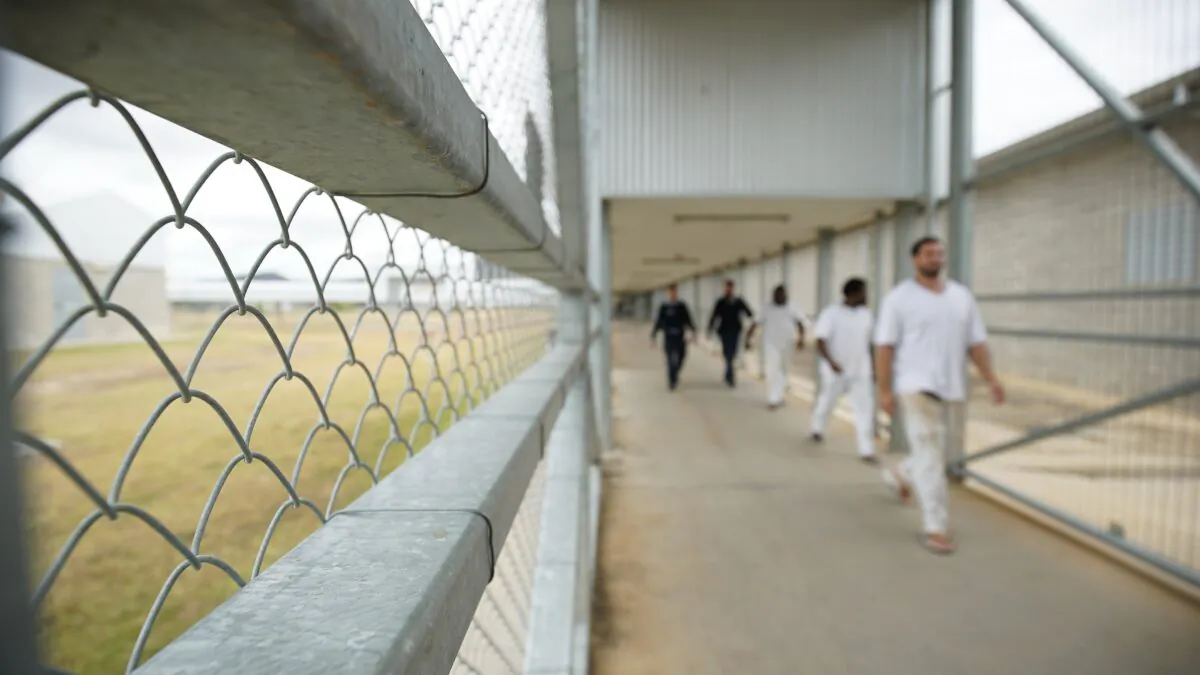

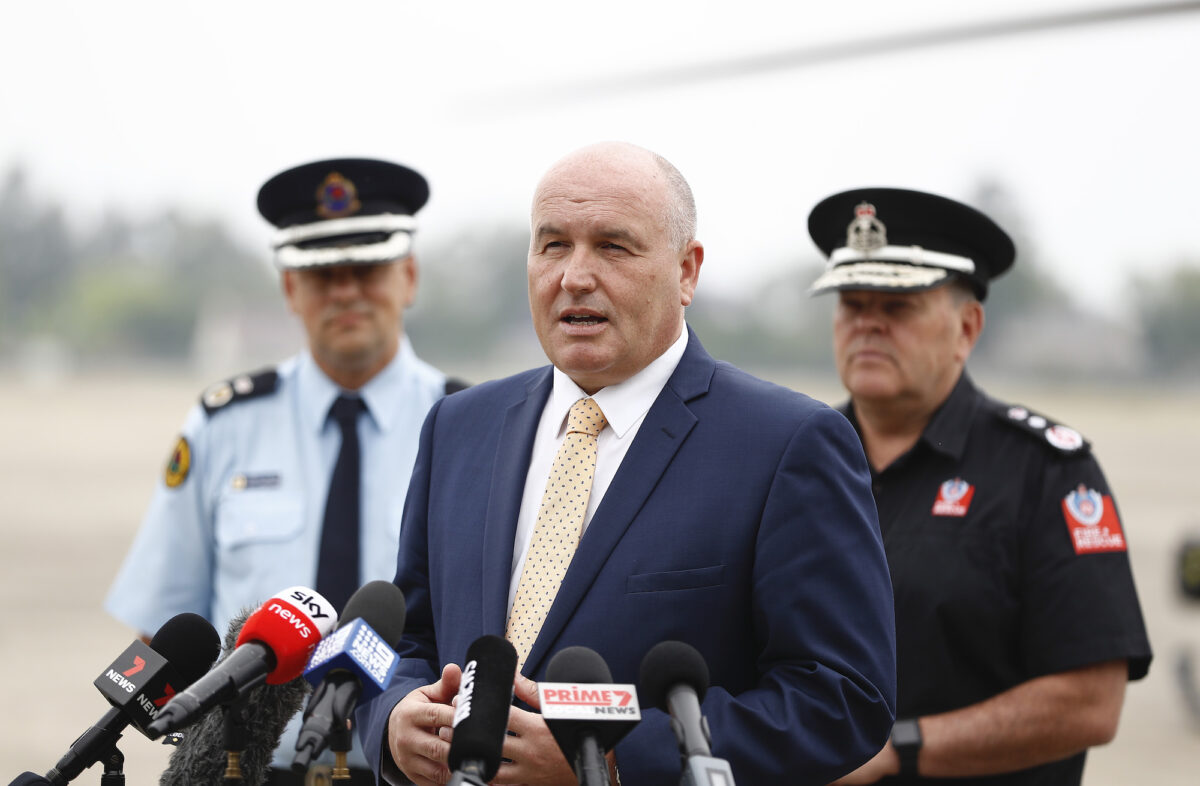
Former Corrections Minister David Elliott of New South Wales (NSW) has said the state’s decision to reject a UN inspection under the Optional Protocol to the Convention Against Torture is because its detention facilities are already laden with oversight, and the UN group has penalised other countries for minor infractions.
The now-Transport Minister Elliott said that when the United Nations was established after World War II, there was no suggestion countries would have to “surrender their rights” to how they managed law and order.
“I was the corrections minister for four years, and with the support of [former Premiers] Mike Baird and Gladys Berejiklian, I refused to allow the Commonwealth to force UN inspectors upon us,” he told Sky News Australia on Oct. 24.
“I mean, we don’t have a problem with torture in our jails in here in New South Wales, and even if we did, we have so much oversight,” he said. “We have an independent prisons inspector, an ombudsman, ICAC [the Independent Commission Against Corruption]. We’ve got the police and courts—all of which are very transparent.”
Elliott said he had previously spoken to his New Zealand counterpart about the impact of the Optional Protocol to the Convention against Torture—of which it is a signatory as well—and revealed they were penalised for relatively trivial issues.
“They were telling me some terrible things that came about from New Zealand’s signing off on that protocol, including being fined and warned because there wasn’t enough butter on the bread for the prisoners. That flower boxes were too low, forcing prisoners to bend over too much to tend to them,” he said.
“I said to the government at the time … It’s a vote of no-confidence in the prison officers and corrections officers, and I believe we would be unnecessarily ceding sovereignty.”
Current, Corrections Minister Geoff Lee said he would not be “dictated to” by the UN delegation and called for better arrangements.
“They’re coming in to try and pick on us,” he told a Budget Estimates hearing on Oct. 24, saying the global body would find “spurious issues” in the state’s prisons.
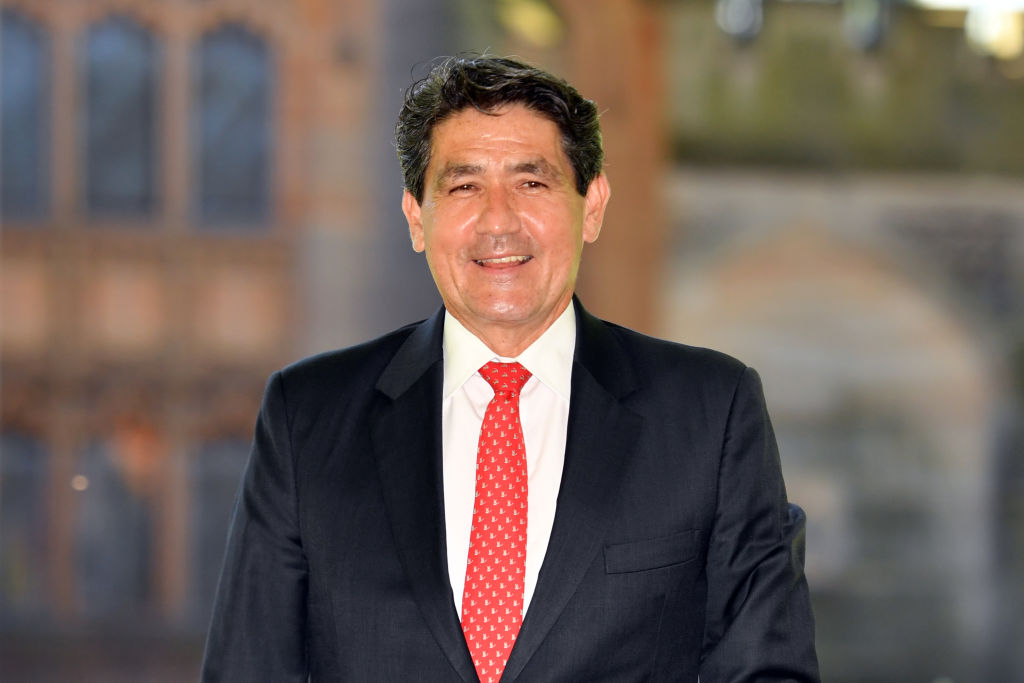
“What I’m worried about is things like them coming back and saying our white bread is sliced too thinly or our stairs are too narrow,” he said. “Or that we should have blinds on our cells to give inmates more privacy.”
“It’s not to allow people just to wander through at their leisure. [The UN] should be off to Iran looking for human rights violations there.”
Australia in Breach of Torture Protocol, UN Delegate Claims
On Oct. 23, the UN’s Subcommittee on Prevention of Torture (SPT) announced they would be suspending a 12-day October visit to Australia citing a lack of cooperation from the state government’s of Queensland and NSW.
Under the Optional Protocol to the Convention Against Torture—which has been ratified by 91 states—national governments are obligated to allow “unannounced and unhindered visits” from the SPT where individuals are “deprived of their liberty,” according to a statement.
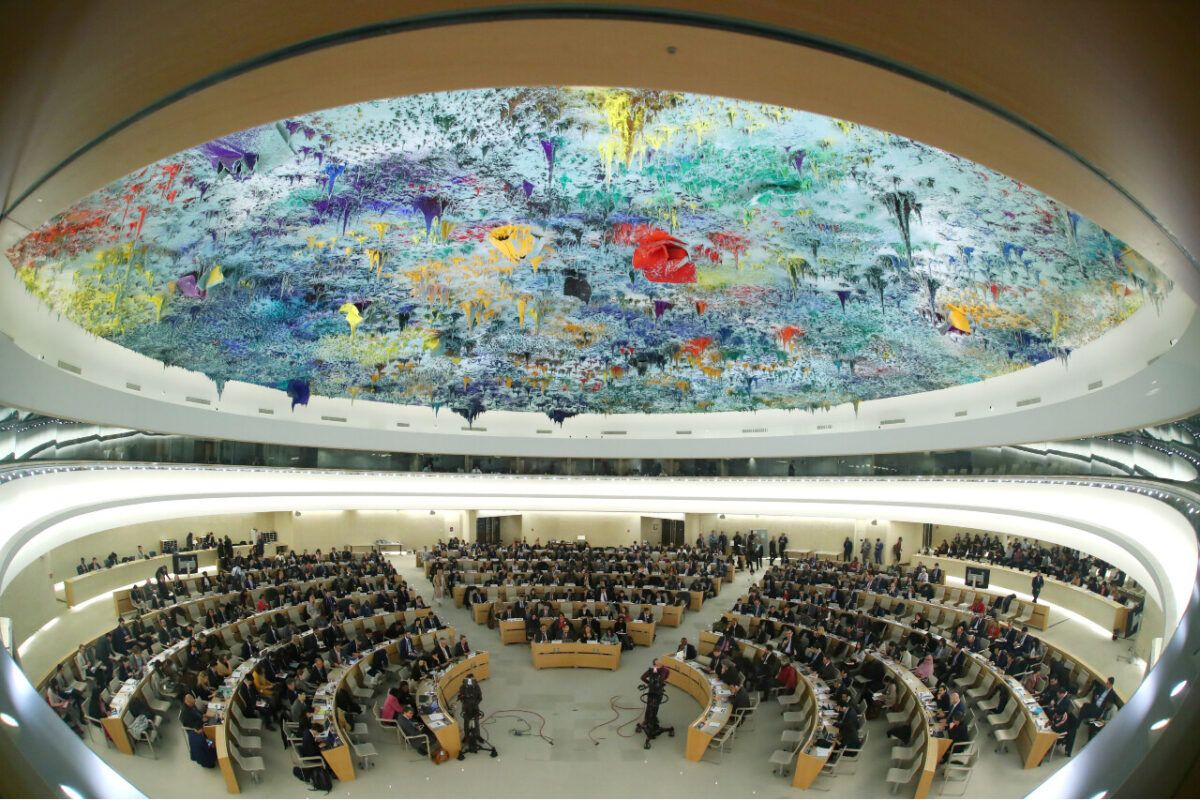
Aisha Shujune Muhammad, head of the four-person delegation originally slated to come to Australia, said the country was in breach of its obligations under the Protocol.
“It is deeply regrettable that the limited understanding of the SPT’s mandate and the lack of cooperation stemming from internal disagreements, especially with respect to the states of Queensland and New South Wales, has compelled us to take this drastic measure,” said Muhammad in a statement. “This is not a decision that the SPT has taken lightly.”
She said Australia appeared to do little to implement Protocol obligations across the country.
“The SPT is neither an oversight body, nor does it carry out investigations or inspections,” she added.
In response, Australia’s Attorney-General Mark Dreyfus said federal-level facilities were made available for inspection.
“Australia has been a party to the Convention since 1989 and ratified the Optional Protocol in 2017. No state or territory objected to ratification,” he said in a statement.
Queensland Labor Premier Annastacia Palaszczuk said there were privacy issues involved with her state’s health department blocking access to inpatient facilities.
“My understanding was that they were facilitating those visits, but of course, there are privacy issues that are involved, and we look forward to working with the UN to facilitate whatever access they need that is appropriate,” she told reporters.
 Friends Read Free
Copy
Facebook
Tweet
Friends Read Free
Copy
Facebook
Tweet