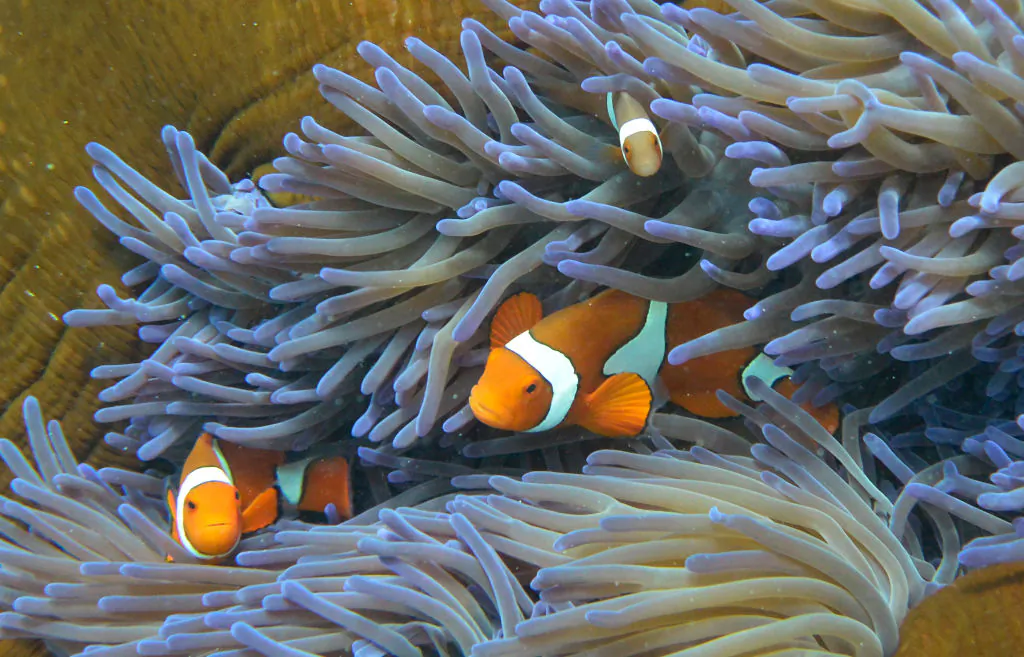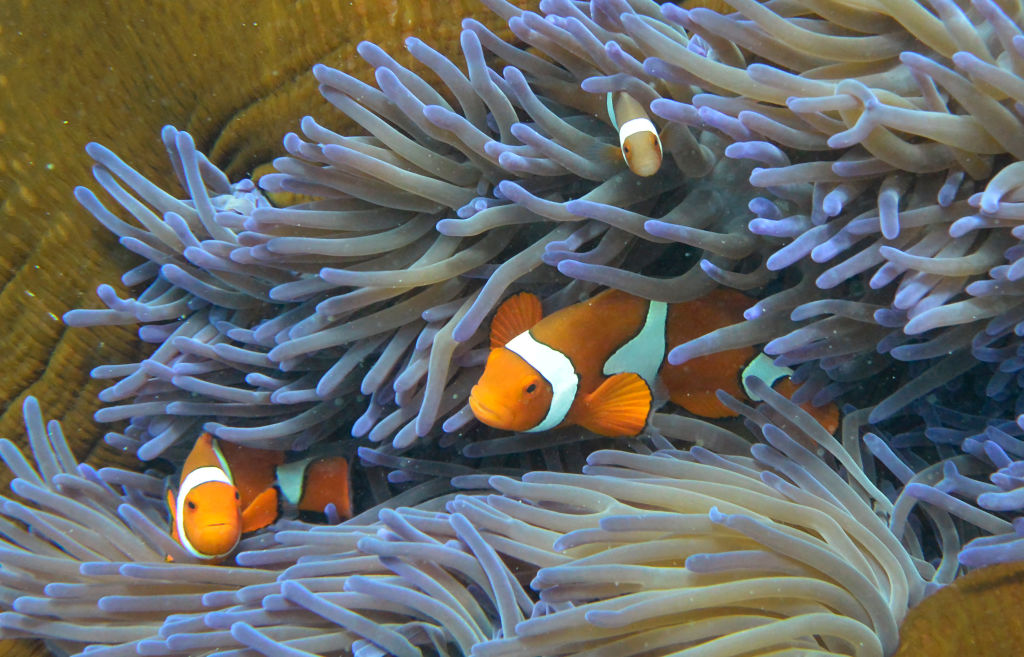

UNESCO has ordered a full “state of conservation” report on the Great Barrier Reef, upping scrutiny on Australia’s efforts to protect the world’s largest coral system.
The World Heritage Committee adopted the decision during its 47th session in Paris, signalling that Australia’s past progress reports were not sufficient.
The full review, due by February next year, will form the basis of a critical assessment in 2026 that could see the reef placed on UNESCO’s “In Danger” list if action is deemed inadequate.
Environment Minister Murray Watt, who is attending the meeting, said Australia would also deliver updates on the Greater Blue Mountains in New South Wales, and Gondwana Rainforests in Queensland, outlining the government’s recent conservation actions.
A spokesperson for the federal government described the upcoming conservation report as a routine obligation under World Heritage guidelines, similar to those completed in 2019 and 2022.
“Australia is doing more than ever before to strengthen reef protections, including through record levels of investment to uphold its outstanding universal value,” the spokesperson said.
Lissa Schindler from the Australian Marine Conservation Society called for stronger climate policies to ensure the reef remains off the “In Danger” list.
“If Australia is serious about protecting the reef, the top priority must be adopting climate policies that are safe for the reef,” she said, which has been blamed for mass coral bleaching events over the past decade.
“That means reducing climate pollution by 90 percent by 2035 and ending approvals for new fossil fuel projects.”
Land-based pollution, such as sediment and nutrient runoff from urban centres, agriculture, and industry has also been blamed for fuelling outbreaks of crown-of-thorns starfish.
While the World Wide Fund for Nature Australia’s CEO Dermot O’Gorman called for tougher climate targets.
“A bold 2035 target could give the reef a fighting chance. It would also support the industries tied to the reef and safeguard thousands of years of Traditional Owner cultural heritage,” he said.
Yet the state of the Reef’s health is still a bone of contention.
Queensland geo-physicist Peter Ridd argues the landmark is actually healthier than media reports suggest, saying that despite suffering “four ‘catastrophic’ bleaching events in 2016, 17, 20, and 22,” the Reef had the most amount of coral in 2022-23.
“We ended up with twice as much coral than in 2012 when a couple of cyclones genuinely destroyed a lot of coral,” he previously told The Epoch Times.
“That proves the last four bleaching events were exaggerated in terms of the coral death, and there is no reason to expect this latest event to be much different,” he said.
Queensland Minister Confident in Reef Health
Queensland’s Tourism Minister Andrew Powell responded to UNESCO’s by defending the state’s conservation work.
“We’ve got the processes, the practices, the programmes, the investment that is required to ensure that we’re doing all we can at the state level to keep the reef off that UNESCO List,” Powell said told ABC radio in June.
He noted that both federal environment and tourism ministers needed to work with the state.
AAP contributed to the article.
 Friends Read Free
Copy
Facebook
Tweet
Friends Read Free
Copy
Facebook
Tweet