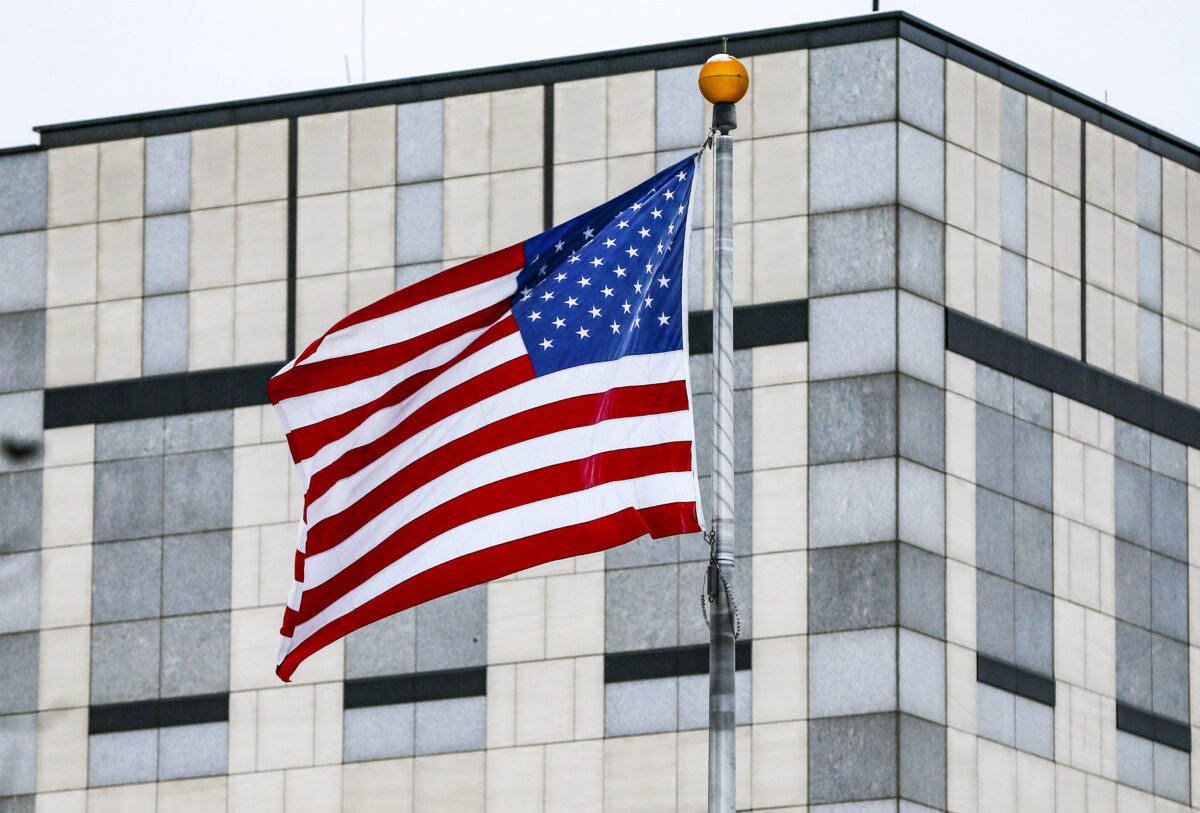

The U.S. Embassy in Jordan has sent out a security alert for Americans in the country over reports of missiles, rockets, and drones in Jordanian airspace as the Iranian military fires projectiles at neighboring countries in response to new U.S. airstrikes.
In the July 9 alert, which applies to the entire Middle Eastern country, the embassy stated that U.S. citizens should “seek overhead cover and shelter in place immediately” because of the missile and drone attacks.
“Remain indoors and pay attention to local announcements and alerts,” the notice reads. “The U.S. Embassy in Jordan will continue to review the situation and provide additional information as needed.”
Americans should monitor media outlets such as Roya News, Petra News, and the Jordan Times for more information about the country’s security, it states, noting that they are also advised to speak with their airline about possible flight changes.
An Epoch Times review of other Middle Eastern countries with U.S. embassies shows that no alerts were sent out in response to the new Iranian attacks. The Iranian Islamic Revolutionary Guards Corps (IRGC) stated that it would strike U.S. military assets in the region following U.S. strikes on the country this week.
The U.S. State Department earlier this year issued a “worldwide caution” alert for U.S. citizens and “especially in the Middle East” due to the Iranian military activity. The warning was sent in March after weeks of U.S.–Israeli strikes against Iranian assets that ultimately culminated in a ceasefire agreement announced in April.
“Periodic airspace closures may cause travel disruptions,” the notice reads. “U.S. diplomatic facilities, including outside the Middle East, have been targeted. Groups supportive of Iran may target other U.S. interests overseas or locations associated with the United States and/or Americans throughout the world.”
On July 9, the Iranian armed forces stated that it had launched attacks at U.S. military infrastructure in Gulf states after U.S. attacks on Iran’s southern coastal and eastern provinces, which placed further strain on a three-week-old ceasefire agreement.
The attacks came on the day that Iran buried its slain former top leader, Ayatollah Ali Khamenei, at a shrine in Mashhad, Iran, in the culmination of a week of mass funeral processions and rallies. Khamenei was killed in a U.S. airstrike on the first day of the war on Feb. 28.
Iran’s Navy stated that the U.S. attacks and intervention in redirecting shipping through the Strait of Hormuz were disrupting the waterway’s gradual reopening.
On a normal day, the strait allows for a significant portion of the world’s traded oil and natural gas to pass through, and Tehran sought to keep a hold on the waterway during the conflict, sending oil and gasoline prices surging.
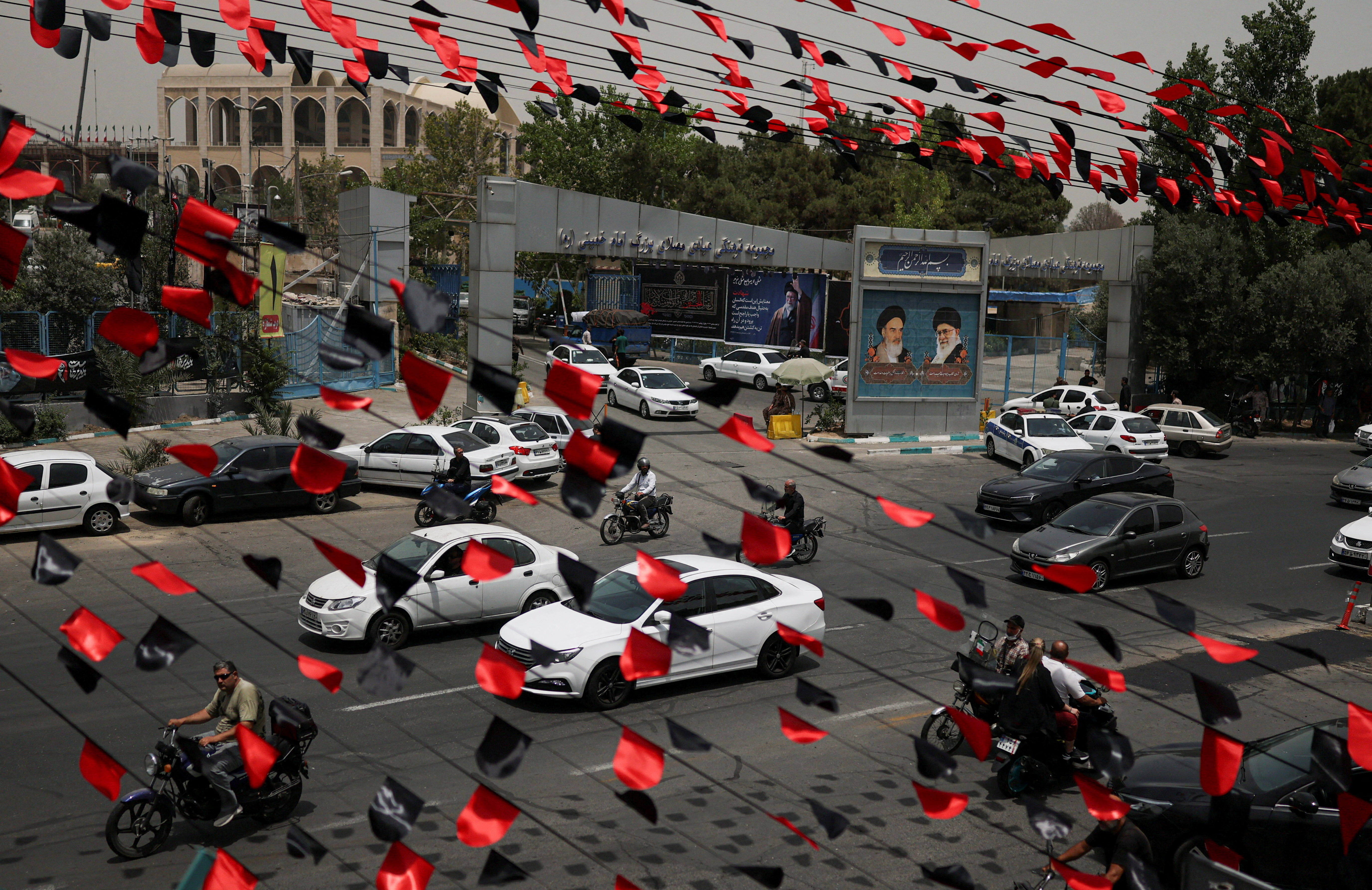 The U.S. military said late on July 8 that its latest strikes were aimed at keeping the Strait of Hormuz open after Iranian forces had struck three tankers in the area.
The assault came hours after U.S. President Donald Trump said on July 8 that he believed that the interim ceasefire, signed under a memorandum of understanding in June, with Iran is likely over following Tehran’s attacks on oil tankers in the strait.
In another round of strikes, CENTCOM stated in a post on X that its forces hit about 90 Iranian targets, including “air defense systems, coastal surveillance assets, missile and drone storage sites, naval capabilities, and military logistics infrastructure” on the coast.
Reuters contributed to this report.
 Friends Read Free
Copy
Facebook
Tweet
Friends Read Free
Copy
Facebook
Tweet