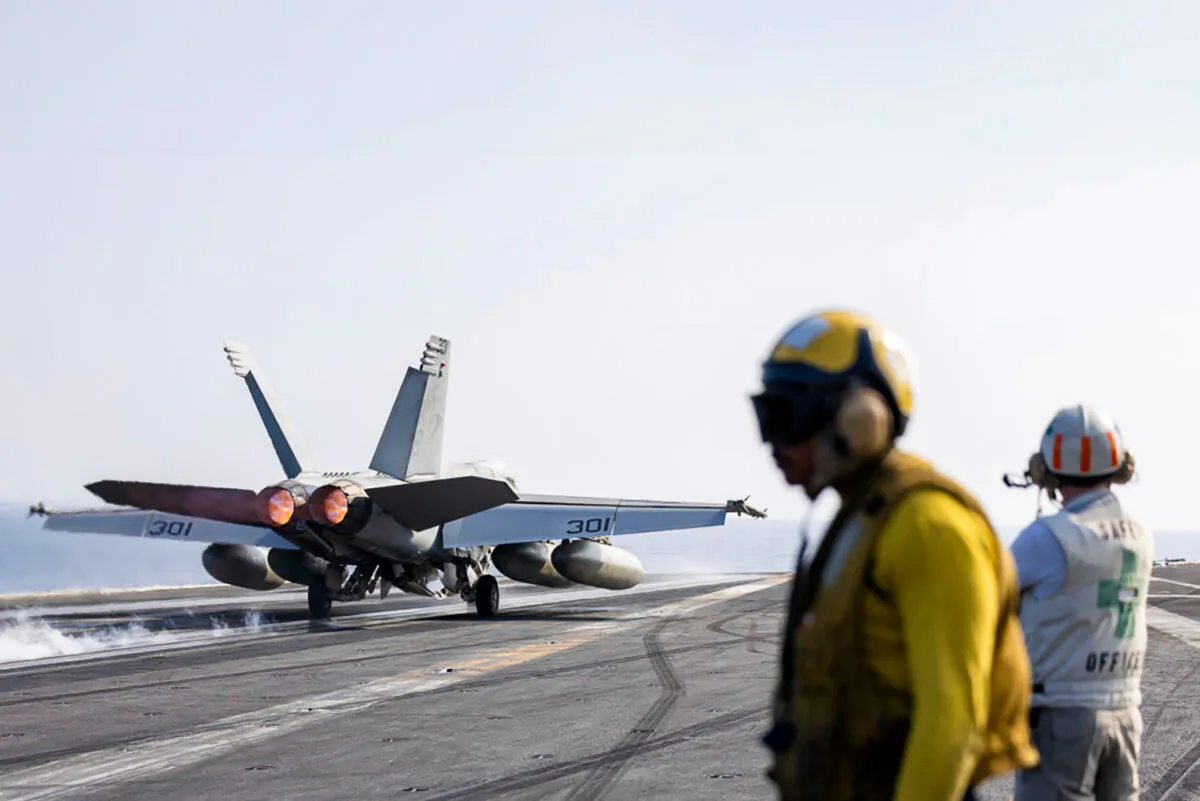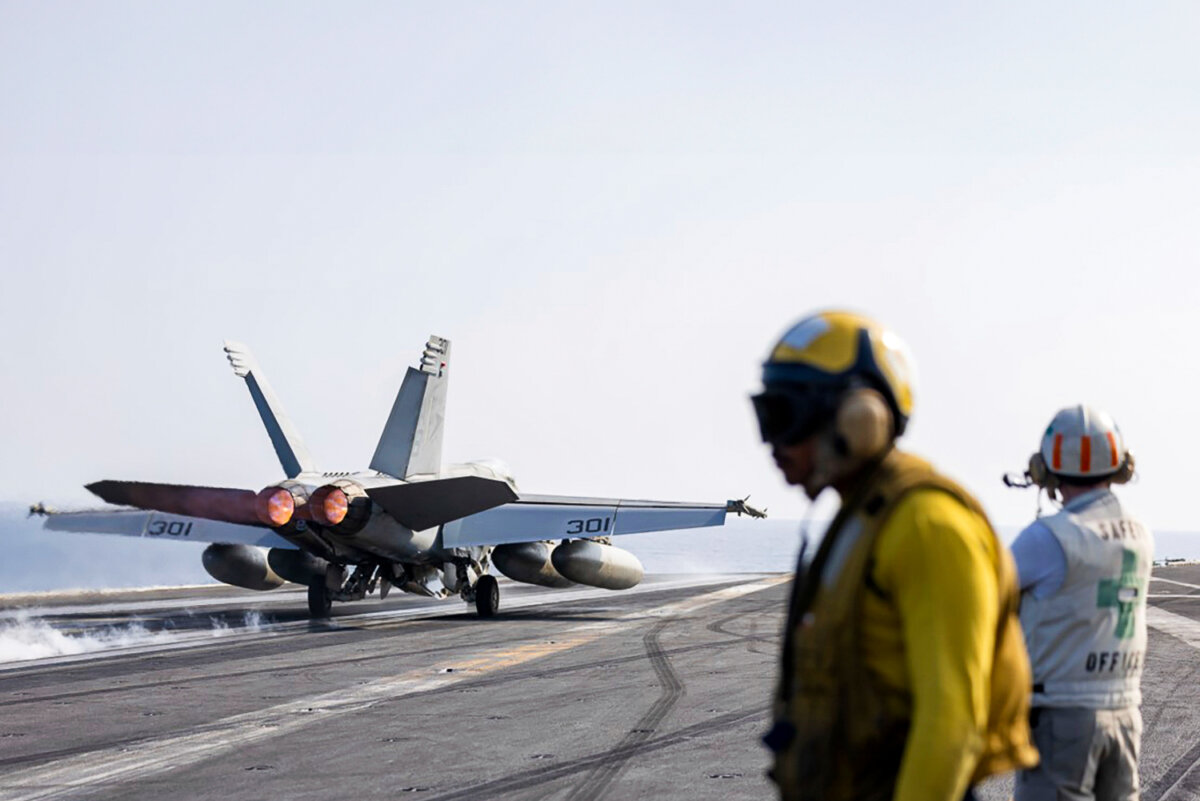

The United States has deployed a small team of military specialists to Nigeria after both countries agreed that more needed to be done to combat the terrorist threat in West Africa, the top U.S. commander for the region said on Feb. 3.
Gen. Dagvin R.M. Anderson, commander of U.S. Africa Command (AFRICOM), said during a digital news briefing that the team would provide “unique capabilities” to assist Nigerian forces battling extremist groups.
It is unclear when the team arrived in Nigeria. Anderson said the move followed his meeting with Nigeria’s president last year.
In November 2025, U.S. President Donald Trump threatened possible military intervention, citing what he described as the Nigerian government’s failure to stop the persecution of Christians by Islamist terrorists. At the time, Nigeria stated that Washington was ready to deepen cooperation, including intelligence sharing and speeding up defense equipment requests.
In a Nov. 24 statement, Nigerian President Bola Tinubu’s office stated that the United States was prepared to expand security assistance and increase humanitarian aid to communities affected by violence in the Middle Belt. His office also stated that Washington would help strengthen early-warning systems.
Rising Threat in West Africa
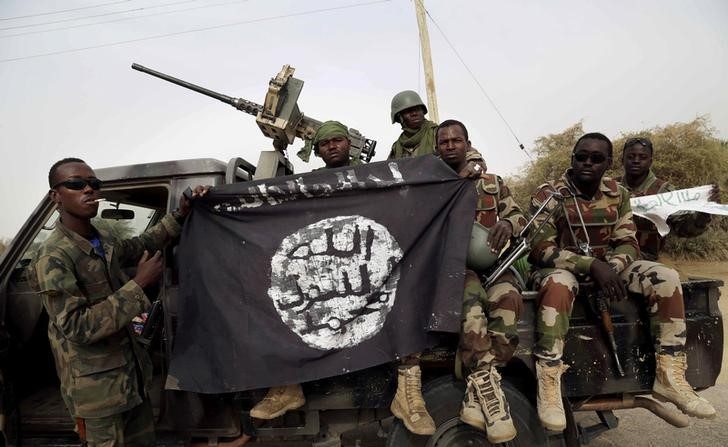
Anderson said Feb. 3 that threats linked to the ISIS and al-Qaeda terrorist groups are expanding across Africa, especially in the Sahel and coastal West Africa.
He pointed to Jama’at Nusrat al-Islam wal-Muslimin (JNIM), an al-Qaeda affiliate, which he said is increasing pressure across the Sahel and threatening regional capitals.
Anderson said he has visited 11 African countries since taking command five months ago and has heard consistent concerns about extremist spillover, particularly from Sahel states into Gulf of Guinea countries.
“When we can find a capable, willing partner to work with and we can fuse the unique capabilities that [the United States] brings, we have seen success in addressing these threats,” he said.
Somalia Strikes, Maritime Security
U.S. airstrikes in Somalia last year, including against al-Shabaab, the al-Qaeda affiliate in Somalia, were designed to support Somali partner forces, especially in Puntland, according to Anderson.
He said he visited Puntland in November 2025 and discussed operations against ISIS in the Golis Mountains. Somali partners told him the strikes helped them reduce extremist-controlled territory and maintain pressure on leadership.
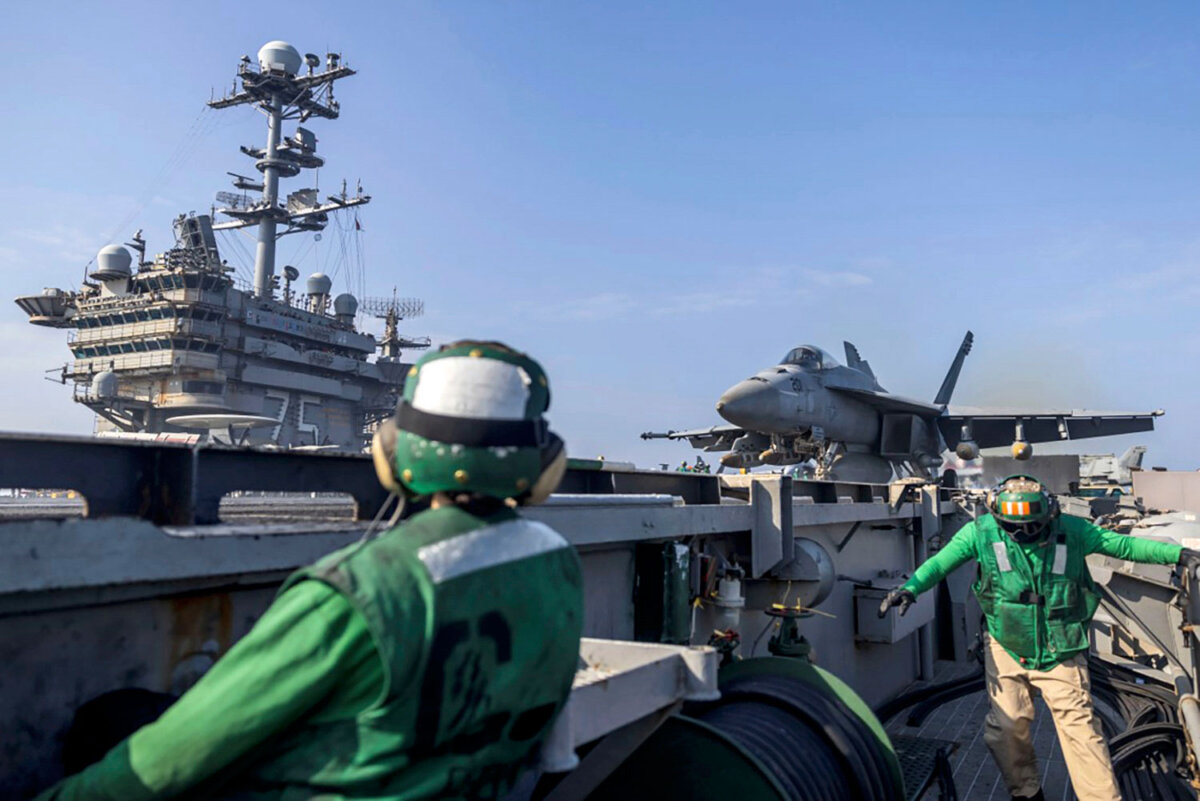
Sgt. Maj. Garric Banfield, AFRICOM’s senior enlisted leader, said the United States is also focused on maritime domain awareness to counter weapons smuggling, piracy, and illegal fishing.
Anderson said improved monitoring is critical as Washington tracks alleged weapons flows and links between regional terrorist groups.
Broader Strategy
AFRICOM is expanding multinational military exercises. Its largest, African Lion, is set for May in Morocco and will include 19 African countries and partners from Europe, South America, and the Middle East, according to Anderson.
Other exercises include Cutlass Express in Mozambique, focused on maritime security, and Justified Accord in Kenya. Flintlock, a special operations exercise, will be based in Côte d’Ivoire with a secondary location in Libya, Banfield said.
He said that multinational exercises are essential because “multinational operations are extremely complex” and require regular training to build interoperability.
Anderson said security partnerships are increasingly tied to economic development. He said he recently traveled to Ethiopia, Kenya, and Djibouti with U.S. Deputy Secretary of State Christopher Landau to discuss how security and investment can reinforce each other.
He said AFRICOM is working more closely with U.S. civilian agencies, including the State and Commerce departments, to align military, economic, and diplomatic tools.
 Friends Read Free
Copy
Facebook
Tweet
Friends Read Free
Copy
Facebook
Tweet