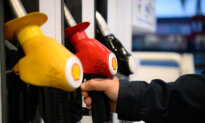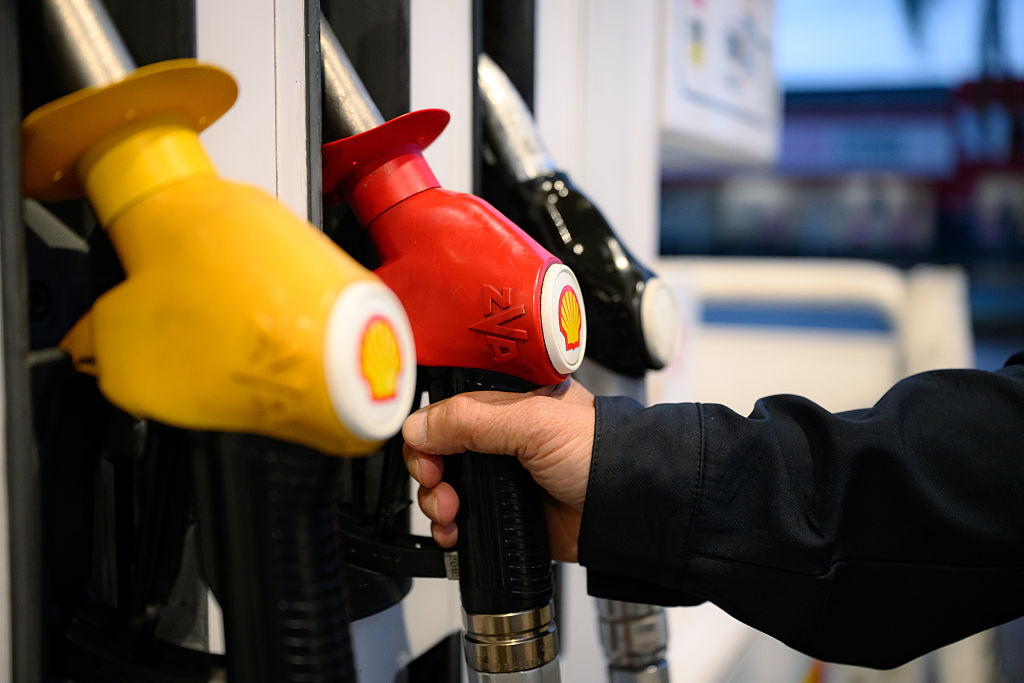

Victoria’s new laws aimed at preventing fuel price gouging have come into effect, requiring petrol retailers to lock in their prices for 24 hours.
In a statement on Mar. 10, state Premier Jacinta Allan said the Labor Government was “stopping Victorians from getting ripped off” when filling up.
Under these new laws, retailers must set their prices by 2 p.m. each day, after which those prices are fixed for the next 24 hours. Retailers may reduce prices during that period but cannot increase them.
Retailers face fines of $3,000 for breaching these regulations, or over $24,000 if they are taken to court.
These laws are the latest phase of the Labor Government’s “Fair Fuel Plan,” which also included the rollout of the Servo Saver fuel price comparison app in October 2025.
“We’re stopping families from getting ripped off at the servo and helping them save hundreds a year,” Allan said.
Fuel Concerns Amid Middle East Conflict
The changes come amid heightened global concerns about fuel reserves following recent military developments in the Middle East.
On Feb. 28, the United States and Israel launched strikes on Iranian military and government sites, disrupting oil production and shipping across the Persian Gulf.
At the centre of the global concern is the Strait of Hormuz, a narrow waterway through which roughly 20 percent of the world’s crude oil trade passes.
Energy Minister Chris Bowen said Australia currently holds around 32 days of petrol reserves, well below the 90 days recommended by the International Energy Agency.
Bowen has previously rejected calls to expand the national fuel stockpile, saying that maintaining the recommended level would cost around $20 billion and is unnecessary.
Retailers Assure Supplies Amid Uncertainty
Motoring group NRMA has called for calm amidst fears of panic buying.
“We know that the impact on the Strait of Hormuz is going to have a supply chain impact,” said NRMA spokesperson Peter Khoury on March 9.
“What we don’t need is domestic pressure added because people are panic buying.
“We don’t blame Australians one bit.”
Khoury also criticised oil companies for raising their fuel prices “higher than they should have,” saying higher fuel price can trigger increased demand as motorists rush to fill up.
Major supermarket chains have also reassured customers that supply chains remain stable.
A spokesperson for ALDI said the company was monitoring developments closely but had seen no impact on supply.
“As a global business, we are closely monitoring the evolving situation,” the spokesperson told The Epoch Times.
Woolworths Group said its operations and supply chains had not been disrupted.
Convenience chain 7-Eleven said it had seen increased demand at some locations but was continuing to monitor supply conditions.
“Our priority remains to maintain continuity of service and reliability for customers,” a 7-Eleven spokesperson told The Epoch Times.
“The Fuel Price Lock feature within the My 7-Eleven app is available to help manage price movements.”
Coles did not respond to a request for comment before publication.
 Friends Read Free
Copy
Facebook
Tweet
Friends Read Free
Copy
Facebook
Tweet