
A few hours before the long-awaited Aug. 1 deadline, President Donald Trump implemented new tariff regimes for dozens of countries worldwide.
The White House introduced a universal tariff of 10 percent for foreign goods entering the United States. This baseline levy will apply to countries with which the United States exports more than it imports, also known as a trade surplus.
A 15 percent tariff rate will be the new floor for countries with which the United States has a trade deficit.
Some countries will face tariffs higher than 15 percent either through trade agreements or because they received letters from the president. Some of these countries include Bangladesh (20 percent), Malaysia (19 percent), Pakistan (19 percent), South Africa (30 percent), and Thailand (19 percent).
These tariffs will not be implemented on Aug. 1. Instead, these higher import taxes will take effect on Aug. 7, allowing Customs and Border Protection to adapt to the new circumstances.
Treasury Secretary Scott Bessent also said countries can still negotiate trade deals.
“I would think that it’s not the end of the world if these snapback tariffs are on for anywhere from a few days to a few weeks,” Bessent told CNBC on July 29. “As long as the countries are moving forward and trying to negotiate in good faith.”
Here is a look at the state of the trade situation.
European Union
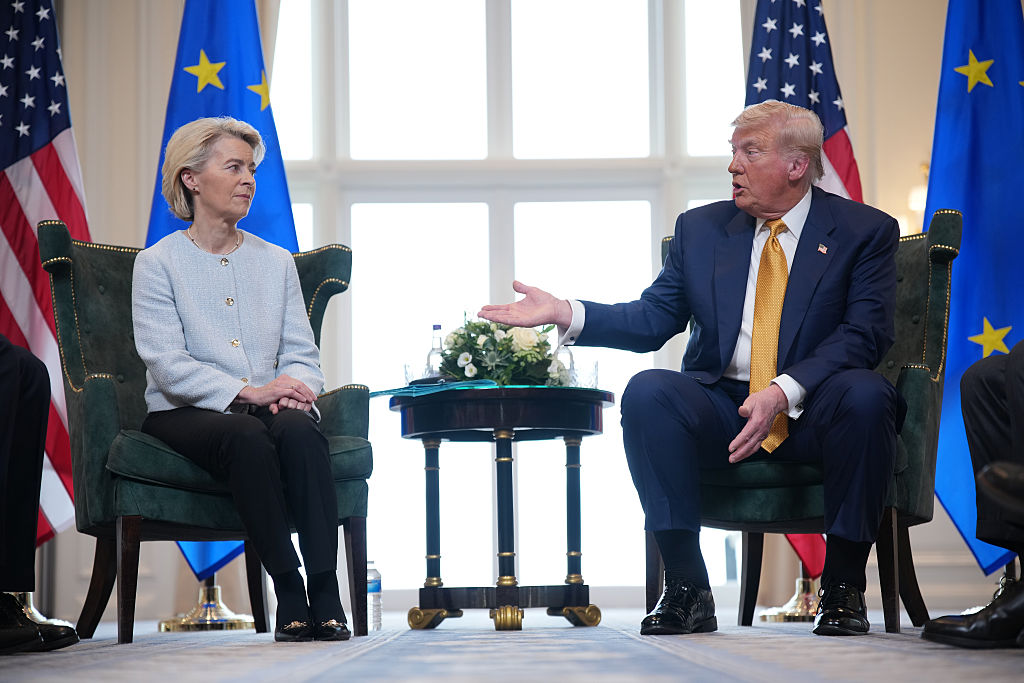
The United States is set to finalize a trade agreement with the European Union (EU) after Trump met with European Commission President Ursula von der Leyen in Scotland on July 27.
Most European goods entering the United States will face a 15 percent levy, and the rate will not be added to existing tariff regimes.
Tariffs on European automobile exports will be lowered to 15 percent from 27.5 percent.
Both sides of the Atlantic will also establish zero-for-zero tariffs on various products, including aircraft and their components, semiconductor-making equipment, certain chemicals and pharmaceuticals, as well as natural resources and critical minerals. Several agricultural goods will also be exempt from tariffs, excluding sensitive items such as beef, ethanol, poultry, rice, and sugar.
A 50 percent tariff will be applied to European steel shipments, but representatives in Brussels and Washington are working on a quota system, according to Von der Leyen.
“We will work together to ensure fair global competition,” she told reporters. “And to reduce barriers between us, tariffs will be cut. And a quota system will be put in place.”
The 27-member bloc has committed to investing $600 billion in the U.S. economy and purchasing $750 billion of U.S. energy by 2028. The EU will also purchase hundreds of billions of dollars’ worth of U.S. military equipment.
The U.S.–EU deal still requires approval from European lawmakers, but it averts the worst-case scenarios, experts say.
Japan
The White House announced on July 22 that the United States and Japan had reached a trade deal.
Japanese goods shipped to the United States will be subject to a 15 percent reciprocal tariff rate. This will also apply to cars and auto parts. Without the agreement, one of the world’s largest automakers would have faced a 25 percent levy.
As part of a reciprocal tariff blueprint, U.S. goods entering the world’s fourth-largest economy will be tariffed at 15 percent.
Tokyo will also invest $550 billion in the U.S. economy, with the United States receiving 90 percent of the profits from those investments.
Ryosei Akazawa, Japan’s chief negotiator, clarified the provisions, noting that a bulk of the funds will be structured as loans and loan guarantees and that the country will earn interest and fees.
“It’s not that $550 billion in cash will be sent to the U.S.,” he said. “Japan’s loss will be at most a couple of tens of billions of yen. For the loan guarantees, Japan’s just making money.”
In addition, Japan will bolster its rice imports by 75 percent and increase purchases of corn, ethanol, soybeans, and sustainable aviation fuel.
South Korea
According to Trump, South Korea was able to lower its tariff rate.
Products shipped from South Korea to the United States will be subject to a 15 percent levy, down from the 25 percent Trump threatened to impose. Like Japanese cars, cars coming from South Korea will face a 15 percent tariff.
U.S. exports to South Korea, meanwhile, will enjoy zero percent tariffs.
Like other countries striking trade deals to date, Seoul pledged to invest $350 billion in the U.S. economy, which has been described as a strategically structured investment. The country will also purchase $100 billion in U.S. liquefied natural gas, crude oil, and coal.
“We’ve overcome a major hurdle,” South Korean President Lee Jae-Myung said on Facebook. “This agreement aligns U.S. manufacturing goals with our companies’ competitiveness in the U.S. market.”
Southeast Asia
The current administration completed bilateral trade agreements with Indonesia, the Philippines, and Vietnam.
Indonesia agreed to open its market and will lower its tariffs to zero percent on 99 percent of U.S. goods and abolish non-monetary trade barriers. Indonesian products exported to the United States will be hit with a reciprocal tariff rate of 19 percent. Transshipped goods from Indonesia containing high levels of content from third-party countries that are subject to higher U.S. tariff rates will be subject to a 40 percent tariff rate.
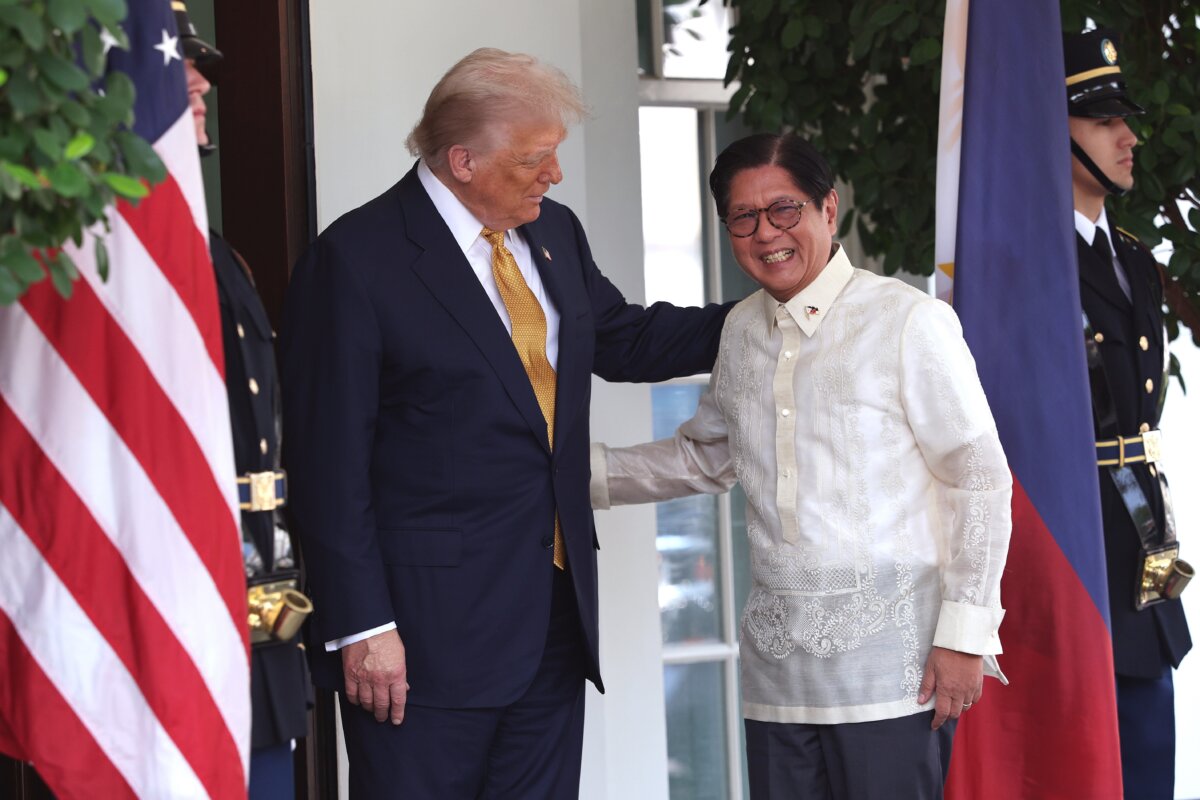
The Philippines agreed to reduce import taxes on U.S. goods to zero percent. Conversely, exports from the Philippines will have a 19 percent tariff.
Vietnamese shipments will face a 20 percent tariff, while Vietnam will allow tariff-free access for U.S. exports. Like the Philippines, Vietnam will face a 40 percent tariff on transshipped items.
UK
The UK was the first country to establish a trade deal with the United States following the president’s April 2 global tariff announcement.
Announced on May 8 and finalized at the Group of Seven summit in Canada in June, the reciprocal trade framework features expanded UK market access for U.S. automobiles and agriculture.
The deal also features a 10 percent tariff on the first 100,000 UK vehicles exported to the United States. UK steel and aluminum will continue to be subjected to a 25 percent rate, lower than the global rate of 50 percent.
The agreement includes tariff exemptions for UK jet engines and parts, as well as enhanced cooperation on issues such as digital trade and intellectual property.
The UK could also be the winner in the U.S.–EU agreement. This is because UK goods entering the United States will face a baseline 10 percent tariff compared with the EU’s 15 percent.
Copper Tariffs
Following a Section 232 national security investigation ordered by the president, the United States will implement a universal 50 percent tariff on copper imports.
“Copper is being imported into the United States in such quantities and under such circumstances as to threaten to impair the national security of the United States,” Trump said in his July 30 proclamation.
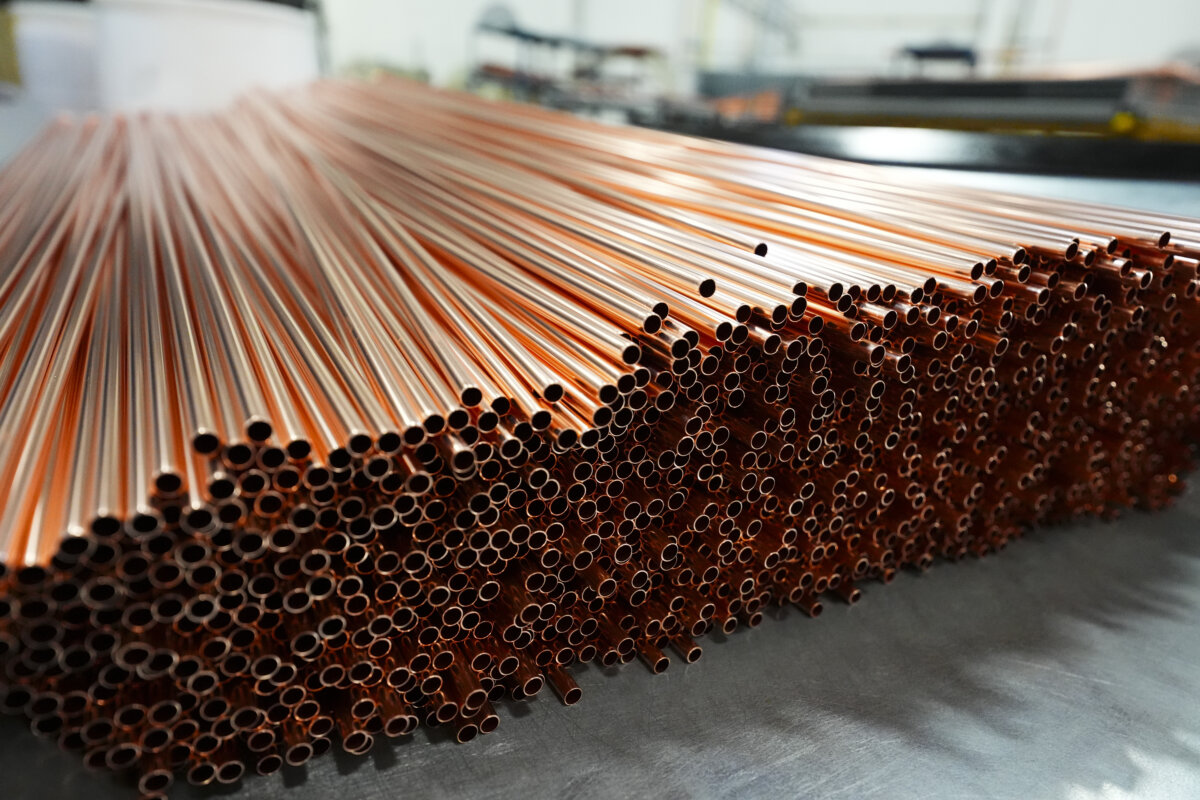
The president floated tariffs on the industrial metal and suggested restrictions in early July. There are various exclusions, including copper scrap, copper concentrates, mattes, cathodes, and anodes. The levies will essentially apply only to pipes, tubes, and semi-finished copper products.
Copper prices tanked, as Trump’s tariffs will only be applied to refined copper. The red metal crashed by 21 percent during the July 31 session, bringing its monthly loss to 14 percent.
The president could introduce additional tariffs and punitive measures. Secretary of Commerce Howard Lutnick has been tasked with monitoring the U.S. copper industry and providing a report by June 2026. Trump could then impose a 15 percent import duty on refined copper, beginning in 2027, and a 30 percent duty starting in 2028.
Mexico
Ahead of the Aug. 1 deadline, Trump announced on Truth Social that he had given Mexico a 90-day extension.
Following a call with Mexican President Claudia Sheinbaum, Trump agreed to not raise U.S. tariffs on Mexican products for 90 days to allow for further negotiations.
The president had said he would raise the blanket tariff rate on the southern neighbor to 30 percent from the current level of 25 percent. Meanwhile, Mexico will still be subject to a 50 percent tariff on aluminum, copper, and steel, as well as a 25 percent levy on automobiles.
“More and more, we are getting to know and understand each other,” Trump said on Truth Social.
“The complexities of a deal with Mexico are somewhat different than other nations because of both the problems and assets of the border.”
Sheinbaum, joined by key Cabinet members, confirmed the call.
“We avoided the tariff increase announced for [Aug. 1] and secured 90 days to build a long-term agreement through dialogue,” she said on X.
India
In a July 30 Truth Social post, Trump stated that India would be subject to a 25 percent tariff on goods, plus an additional levy due to its purchases of Russian crude oil.
India will also face separate higher duties on car parts, steel, and aluminum.
“India is our friend, we have, over the years, done relatively little business with them because their Tariffs are far too high,” the president said on Truth Social.
“They have the most strenuous and obnoxious non-monetary Trade Barriers of any Country.”
The decision marks one of the most aggressive tariff actions taken by the president against a substantial U.S. trading partner.
The United States is one of India’s largest markets, with exports exceeding $87 billion in goods in 2024.
Bessent, appearing on CNBC’s “Squawk Box” on July 31, said India has been “slow-rolling” trade discussions.
“India came to the table early,” Bessent said. “They’ve been slow-rolling things. So I think that the president, the whole trade team has been frustrated with them.”
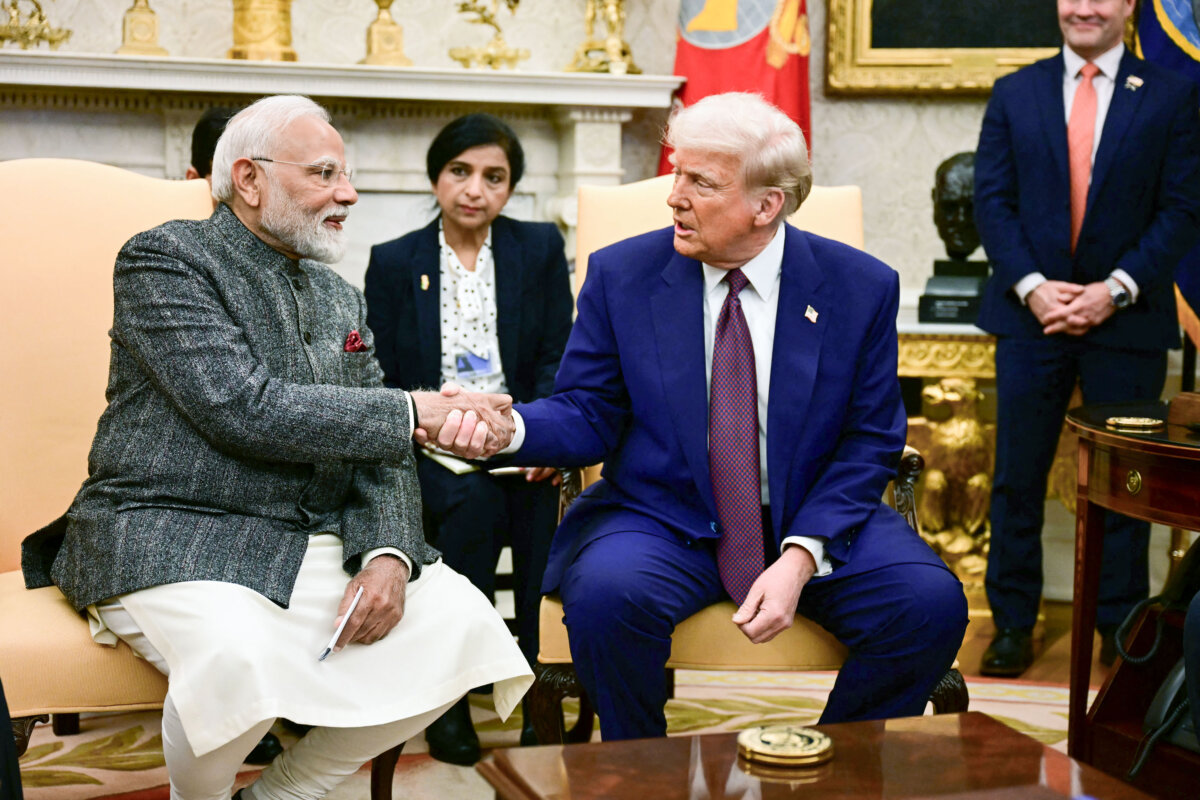
Pointing to India buying sanctioned Russian oil and reselling it as refined petroleum products, Bessent said the country has “not been a great global actor.”
Canada
In a July 11 letter to Canadian Prime Minister Mark Carney, Trump announced that he will increase tariffs on Canadian imports, citing the country’s retaliatory efforts.
“Instead of working with the United States, Canada retaliated with its own tariffs,” Trump said.
Trump signed an executive order on July 31, increasing the tariff rate on goods not exempt under the U.S.-Mexico-Canada free trade agreement to 35 percent from 25 percent. The higher levy will go into effect on Aug. 1.
The U.S. president had threatened to impose higher tariffs on Canada.
“Goods transshipped to evade this higher tariff will be subject to that higher tariff,” the president wrote.
The United States and Canada have engaged in back-and-forth trade rhetoric, and it remains unclear whether the North American neighbors are inching closer to an agreement.
Trump, appearing outside the White House on July 25 before departing for Scotland, said U.S. trade representatives have not “had a lot of luck with Canada.”
“I think Canada could be one where there’s just a tariff, not really a negotiation,” he said.
Speaking at a July 28 news conference, Carney said U.S.–Canada negotiations are at an “intense phase.”
“It’s a complex negotiation,” the prime minister stated.
Canadian officials have downplayed the odds of reaching a trade deal before the deadline. Carney later acknowledged that U.S.–Canada talks will likely extend beyond Aug. 1.
Reuters contributed to this report.
 Friends Read Free
Copy
Facebook
Tweet
Friends Read Free
Copy
Facebook
Tweet