
The United States is in a conflict with Iran, but Corporate America might have missed the memo.
Earnings season is off to a solid start. AT&T exceeded expectations, Boeing reported better deliveries, and GE Vernova enjoyed strong demand for artificial intelligence-enabled power and grid technology. Halliburton and UnitedHealth have posted strong earnings beats.
The next wave of widely anticipated earnings announcements from the likes of Alphabet, Apple, Meta Platforms, and Microsoft could also add to the quarter’s ebullience.
“For now, the early read from U.S. reporting season is that the earnings engine is strengthening, which is a strong-enough offset to geopolitical uncertainty,” Bipan Rai, head of ETF and Alternatives Strategy at BMO, said in an April 20 note.
Of the S&P 500 companies reporting actual results as of April 17, 88 percent of these firms have reported better-than-expected first-quarter revenues, according to data gathered by FactSet.
Net profit margins are also up 13.2 percent—above last year’s 12.8 percent and the five-year average of 12.2 percent.
Altogether, this could set the stage for a robust second quarter.
“Corporate profits are healthy and future profits represented by company guidance are expected to grow low double-digit in 2026,” Nancy Tengler, CEO and CIO of Laffer Tengler Investments, said in a note emailed to The Epoch Times.
Margins are close to historic highs, even as the economy has grappled with a plethora of headwinds over the last six years, from the pandemic to tariffs to a record-breaking government shutdown, Tengler added.
But strong corporate earnings do not necessarily translate into broader economic gains, warned Ignacio Gonzalez, an assistant professor of economics at American University.
A new report from the Institute for Macroeconomic and Policy Analysis at American University, released on April 9, concludes that record profits do not guarantee expansions.
“High profits can lift stock prices, but this is not a guarantee of stronger investment or broader economic gains. When those profits stem from weaker competition, they can actually hold back investment and long-run economic performance,” Gonzalez said in a news release.
Running of the Bulls
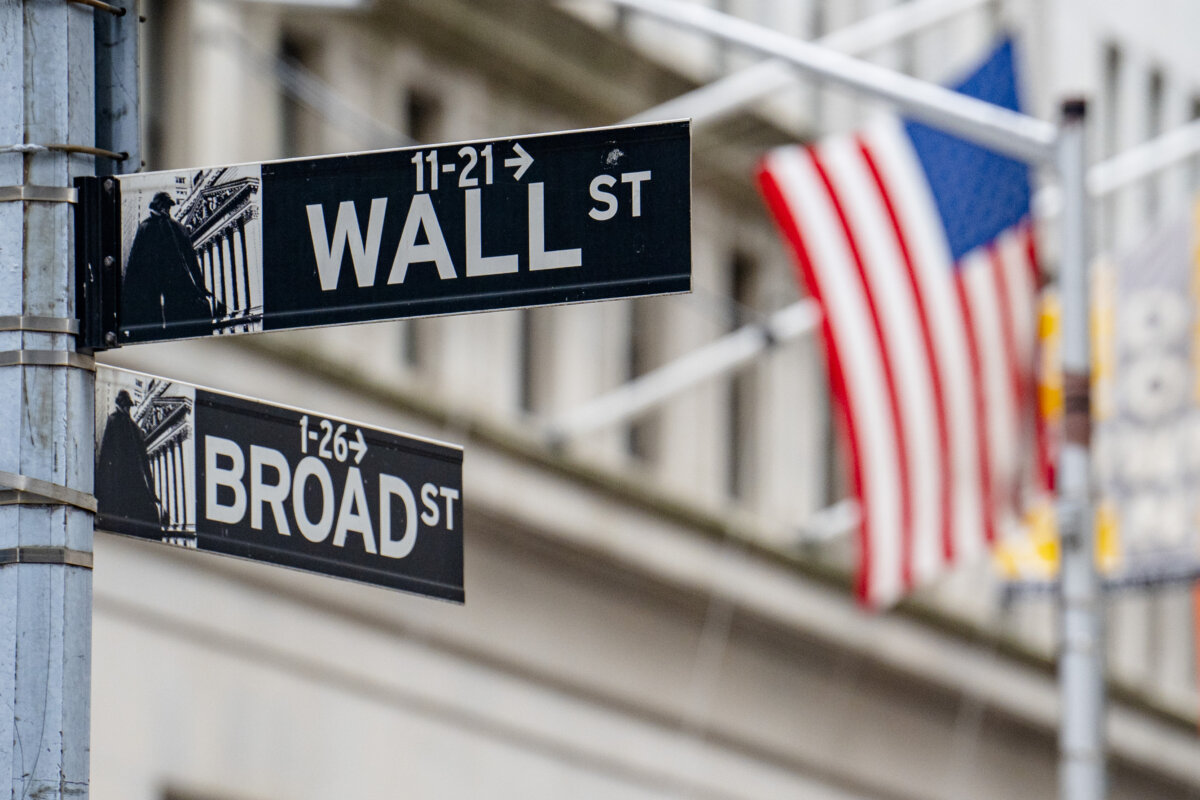
Despite a war-driven sell-off in March, Wall Street has clawed back and reached record highs.
The S&P 500—a benchmark average for the broader stock market—erased all of the conflict-related losses and is now eyeing a fresh milestone of 7,200, soon after surpassing 7,100 for the first time ever. Additionally, almost 30 S&P 500 stocks are trading at new 52-week highs.
The tech-heavy Nasdaq Composite Index surged more than 300 points during the April 22 trading session and registered an all-time intraday high. The index is now up 6 percent on the year.
The blue-chip Dow Jones Industrial Average appeared to be reclaiming the 50,000 mark earlier this week, before paring its gains. Still, the popular index has rallied 6 percent in the past month and is up almost 3 percent year-to-date.
“The market has flipped the script. The rally caught many, including myself, off guard with its speed,” Jay Woods, chief market strategist at Freedom Capital Markets, said to The Epoch Times in an emailed note.
“This has really been a weird market. Usually it’s the stairs up and elevator down. This time it’s been the opposite. It took 35 trading days to drop -9.1 percent and only 13 to make it all back and then some.”
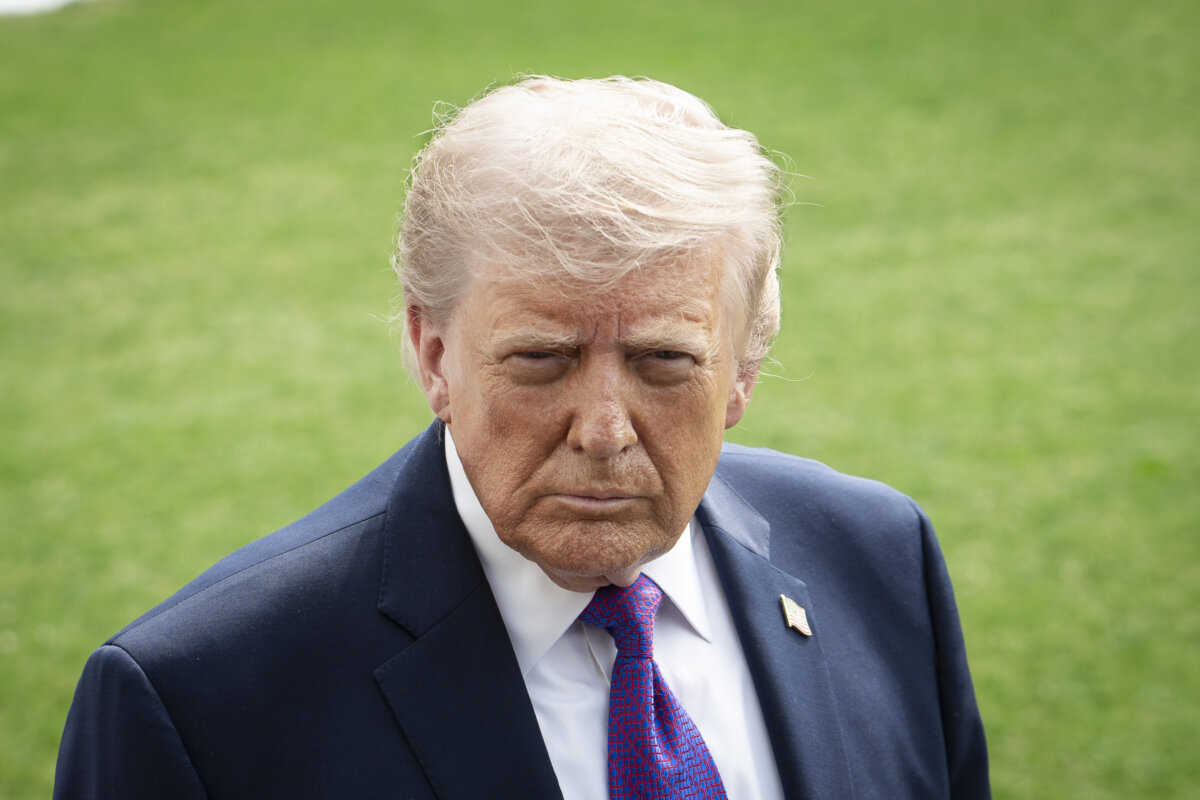
President Donald Trump has also been surprised by the stock market’s comeback in April, as well as U.S. crude oil prices staying below $100 per barrel.
In an April 21 interview with CNBC’s “Squawk Box,” the president said he expected the Dow Jones and the S&P 500 to decline by 20 percent, and that a barrel of crude would hit $200.
“Look at that S&P. The numbers are what they were when we started this whole thing. I thought they’d be down 20 percent or down a very substantial amount,” Trump said.
“When it was down more a couple of weeks ago, I was surprised. I thought it would be down much more, and I thought the oil would be much higher, and I’m very happy to say that it wasn’t.”
In addition to uncertainty surrounding Middle East tensions, investors are also shrugging off the Federal Reserve’s likely decision to keep interest rates higher for longer.
Futures market data suggest traders are pricing in no rate action this year, with the next quarter-point reduction seen next summer.
The central bank will hold its two-day policy meeting next week, which could be Chair Jerome Powell’s final one at the helm.
Insights into the Economy
On the data front, various indicators have suggested the economy is still humming along.
The labor market remains stable: 178,000 new jobs in March, a 4.3 percent unemployment rate, and historically low jobless claims.
Consumers are still opening their wallets, with last month’s retail sales surging at a better-than-expected pace of 1.7 percent—excluding gasoline stations, transactions were still up 0.6 percent.
While headline inflation rose due to higher energy prices, underlying inflation is still tame.
The Bureau of Economic Analysis will also release its advanced estimate of the economy’s performance in the first three months of 2026 on April 30.
The Atlanta Fed’s GDPNow Model indicates first-quarter growth will be around 1 percent, an improvement from the 0.5 percent jump in the fourth quarter.
A strong earnings season typically suggests an economy not on the brink of a downturn, Tengler notes. “Recessions coincide with negative earnings growth,” she said.
 Friends Read Free
Copy
Facebook
Tweet
Friends Read Free
Copy
Facebook
Tweet