



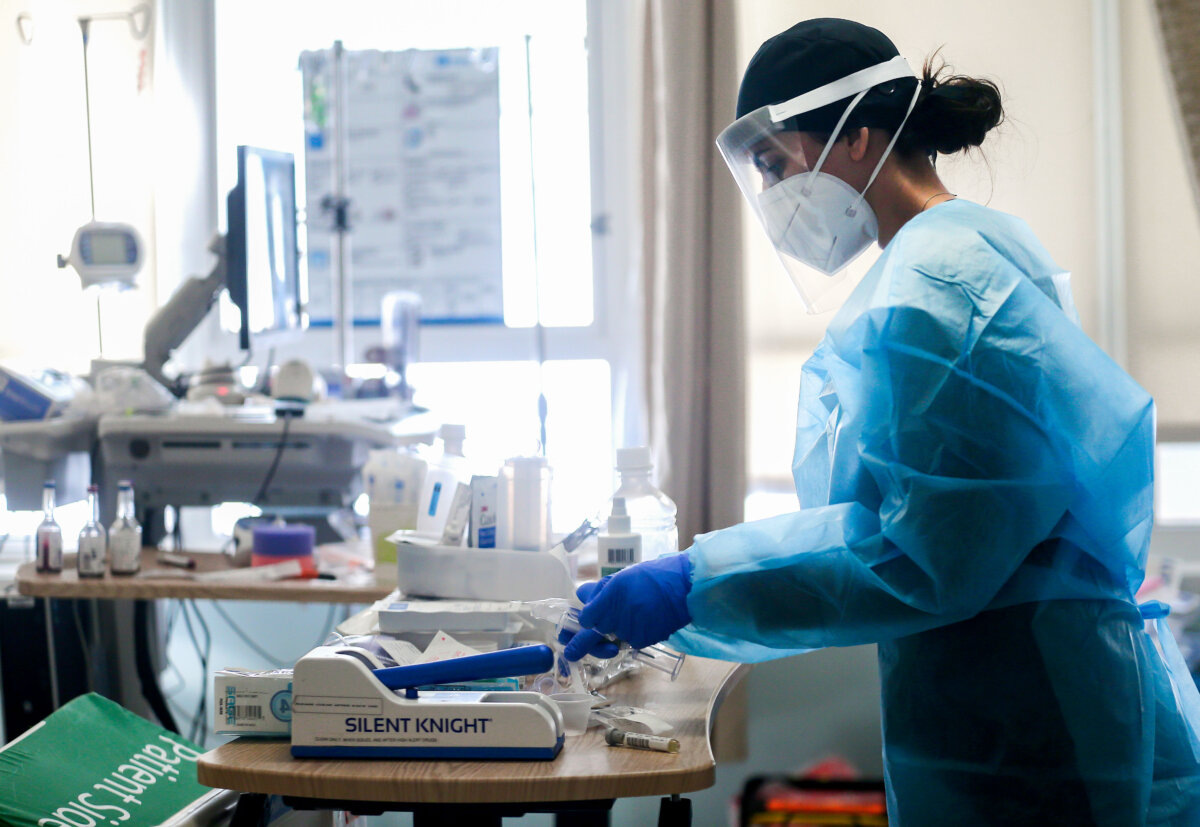
The cost of treating hospitalized COVID patients increased by almost $3,000 per patient over two years from the pandemic’s start, despite changes in care practices and increased vaccination rates.
A new report in JAMA Network Open shows that costs increased by 26 percent between March 2020 and March 2022. At the beginning of the pandemic, treatment costs averaged $10,394, and by the end, hospital stays for COVID patients averaged $13,072.
The research team looked at data from over 1.3 million inpatient COVID-19 patients from nearly 850 hospitals across the United States during the first two years of the pandemic. Patients were at least 18 years old, averaging 59.2 years. Over half were men (52 percent), and most were white (59 percent).
During the study, the U.S. Centers for Disease Control and Prevention (CDC) reported that of patients hospitalized with COVID-19, up to 13.8 percent received invasive mechanical ventilation, up to 22 percent stayed in the intensive care unit, and mortality rates ranged between 6.5 percent to 12.6 percent. The average length of stay for patients was almost nine days.
ECMO Machines Account for Cost Increase
The cost increase was attributed to the use of extracorporeal membrane oxygenation (ECMO) machines. Like heart-lung bypass machines, ECMOs are a form of life support that pumps a patient’s blood, oxygenates it, and helps rid the body of carbon dioxide.
ECMO machines have been used on hospitalized patients since the beginning of the COVID-19 pandemic. As physicians recognized the treatment showed promising results, with about 60 percent of critically ill patients surviving at least 90 days in the spring of 2020, they began using the expensive machines more often.
The researchers’ analysis found that patients placed on ECMO had an adjusted average cost of stay of $36,484.
However, the cost of ECMO treatment can vary, as reported in a December 2021 PharmacoEconomics Open article. Researchers found that hospital costs for ECMO ranged from $22,305 to $334,608. They noted the highest costs were also associated with lung transplants.
Some Patients Pay More Than Others
The analysis found that patients with certain comorbidities incurred extra costs during their hospital stays. In particular, people with cardiovascular or weight issues averaged higher costs than other patients. For example, patients with coagulation deficiency, which occurs when the body has trouble with blood clotting, cost an additional $3,017. Obese patients, on average, paid an additional $2,924 per stay. Individuals dealing with fluid and electrolyte imbalance averaged an extra $1,800 per stay.
Although they cost more, these conditions didn’t necessarily result in more extended hospital stays, increased ICU use, or higher mortality rates, the research team noted.
The team also found that hospital costs were often more expensive for male patients, averaging $12,097 per stay versus $10,654. The report found some statistical differences in costs of stay between racial and ethnic categories, with charges varying by about $300 to $500, with Asian patients being charged the most at an average of $11,724.
Most Hospitalizations Due to Omicron Variant
The omicron variant, which swept the globe in November 2021, was responsible for a bulk of the U.S. hospitalizations, the team reported. One study published in The Lancet in 2022 estimated that by Jan. 17, 2022, omicron was infecting 125 million people a day globally. According to the JAMA Network Open study, peak demand for American COVID hospital services occurred between November 2021 and February 2022, when COVID patients accounted for more than one-fifth of all hospital admissions and almost one-third of all patients in ICU beds. COVID patients were overwhelming hospitals in such records demand that elective surgeries were canceled, causing loss of hospital revenue and personnel, medication, and equipment shortages and diminished hospital operating margins.