



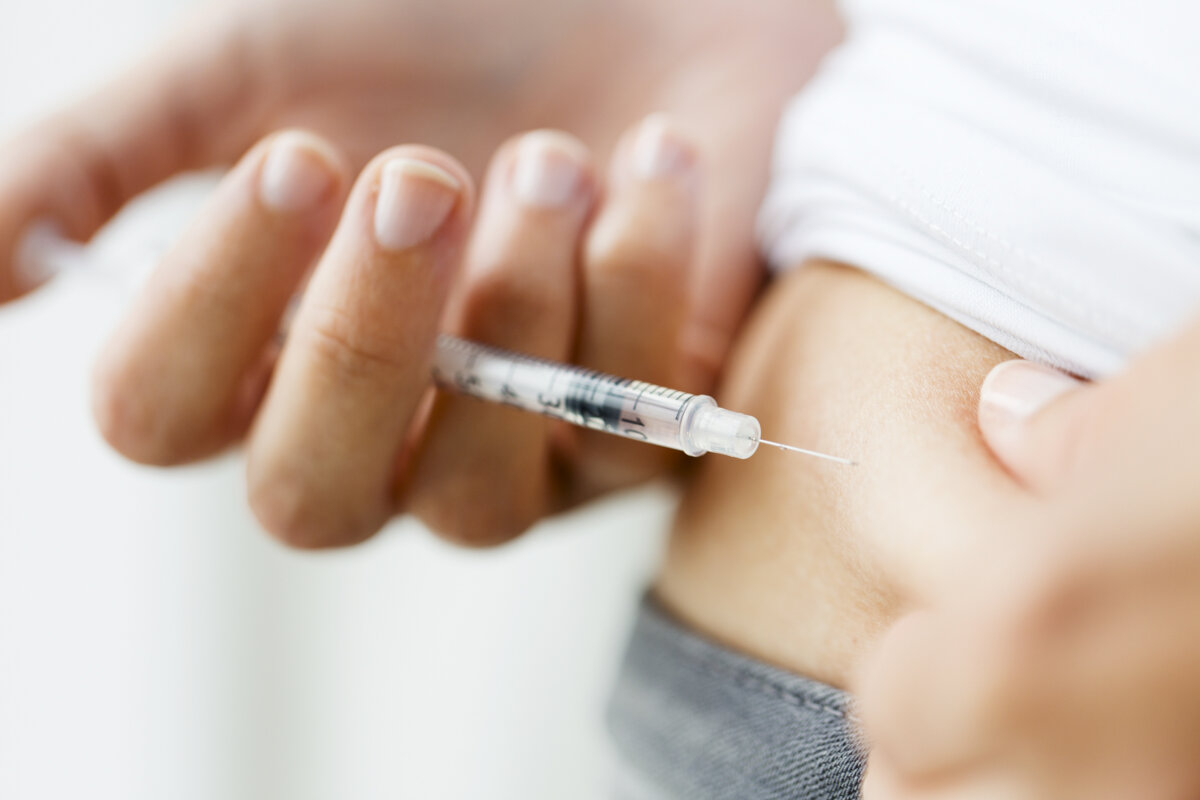
Patients with Type 2 diabetes pay an average of $23 more in out-of-pocket costs for insulin and other diabetes management medications as they enter Medicare, according to a new study published in JAMA Network Open. This sudden spike in costs has been linked to a decreased use of medication adherence, which has led to an uptick in diabetes-related complications and a greater burden on the health care system.
Researchers assessed data from nearly 130,000 people who began using Medicare at age 65. When they enrolled in Medicare, their quarterly out-of-pocket costs for diabetes drugs went up by an average of $23. For those in the 95th percentile of spending, costs went up by about $56 per quarter. This increased cost resulted in a 5.3 percent reduction in the number of diabetes drug claims per quarter. However, the research also noted that insulin use increased, leading to higher overall patient costs.
According to the study, before the age of 65, most people with health insurance are enrolled in commercial plans that, unlike Medicare Part D, offer out-of-pocket maximums and no coverage gap.
The authors expressed concern over the higher out-of-pocket costs, particularly for low-income households and historically marginalized groups, who are more likely to experience nonadherence to treatment, diabetes complications, and increased mortality.
Why Does It Matter?
Nearly 16 million Americans age 65 and older are living with diabetes, according to the U.S. Centers for Disease Control and Prevention, comprising 29 percent of all diabetic patients in the United States. It is cited as the most expensive chronic condition in the United States, tallying $237 billion in annual direct medical costs, and an additional $90 billion in reduced productivity.
Type 2 diabetes, in particular, is rampant, making up 90 to 95 percent of the cases. The condition is associated with a myriad of health conditions, including dysfunctions of the kidney, retina, cardiovascular system, nervous system, and liver. As such, consistent management of the condition is vital to a patient’s health and well-being.
The American Diabetes Association has established guidelines for managing diabetes. However, the researchers noted that “patient out-of-pocket costs for T2D [Type 2 diabetes] medications pose a barrier to following these guidelines and can lead to nonadherence and ineffective management.” In 2017, for example, Medicare beneficiaries with diabetes spent an average of $928 out-of-pocket for their prescription drugs. This cost posed a high burden for 40 to 60 percent of beneficiaries in the bottom income quartile of Medicare.
What’s Being Done About It?
The Biden Administration has targeted out-of-pocket drug costs for Medicare provisions under the Inflation Reduction Act, according to the study. For example, out-of-pocket insulin costs were capped at $35 a month beginning in 2023. Other provisions target medication costs more generally. For example, the overall cap on Medicare Part D coverage, which is specific to pharmaceuticals, remains at $3,250 for 2024 and $2,000 for 2025.
“Coupled with provisions to reduce drug price growth and increase eligibility for the low-income subsidy for Part D, a substantial decrease in patient cost burden for medications is expected,” the researchers wrote.
With the reduced out-of-pocket costs, the research team noted that patients have better adherence to their diabetes management medications, including insulin use. Initial evidence on the effects of the 2023 $35 insulin cap indicates that more people filled insulin prescriptions.
“This aligns with earlier evidence, which has shown that reductions in insulin OOP [out-of-pocket] costs are expected to lead to improved insulin adherence and large reductions in strokes, heart attacks, heart failure, and end-stage kidney disease,” the research team wrote.