



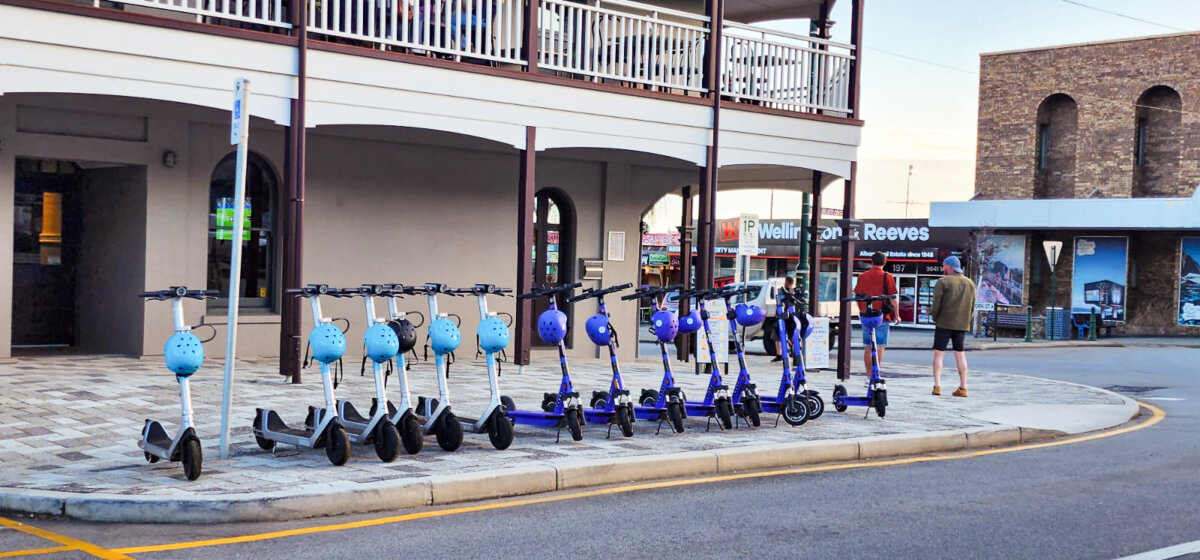
Scooter injuries across the United States have tripled and are putting more people into orthopedic and plastic surgery, a new study reports.
The study, conducted by researchers at the University of California–Los Angeles (UCLA), also found that between 2016 and 2020, the cost to treat scooter and bicycle injuries rose fivefold, calling attention to the degree of strain such injuries have on the health care system. The finding “underscores a critical juncture for discerning the underlying causes of injuries and informing policies for injury prevention,” the researchers note.
The study was published in the Journal of the American College of Surgeons.
Scooters have become more popular as a mode of transportation, especially as electric scooters, or e-scooters, have become readily available. Since its lowest point in 2020, the e-scooter market has steadily increased, according to Statista Market Insights. Prepandemic, the market peaked in 2018 at 20,890 units sold. The market is expected to crest again in 2024, hitting 21,040 units in the United States alone, then continue on an upward trajectory. An emphasis on environmental concerns and the need for sustainable transportation options has driven the growth. Additionally, local policies and initiatives often offer deals for purchasing or adopting e-scooters as a mode of transportation.
But the surge in popularity hasn’t been without risk or consequence, as the UCLA team found. With more people adopting scooters as transportation modes, there has been a growing incidence of scooter-related injuries worldwide.
To determine injury trends, the research team looked at data from the National Inpatient Sample, a database maintained by the Agency for Healthcare Research and Quality. They compared trends and outcomes for 92,815 patients, of which 6,125 had scooter-related injuries. Just over 1 in 4 (about 27 percent) of the scooter riders were under 18 years old, compared to over 16 percent of bike riders.
Nearly 1 in 4 (24 percent) scooter injuries and 1 in 5 bicycle injuries occurred during winter. Scooter injuries tended to be more serious, with 56 percent requiring major operation interventions versus 48 percent of bicycle injuries. Almost 9 in 10 (89 percent) of operations for scooter injuries included orthopedic or plastic surgery, versus 85 percent of bicycle injuries.
Additionally, scooter riders were at a higher risk of suffering long bone fractures and paralysis.
Both groups of patients were at equal risk of experiencing traumatic brain injury. However, scooter riders experienced injuries that required head operations at a slightly higher rate compared to bicycle riders with injuries (5 percent compared to 4 percent).
Cost of Treatment Grows 5-Fold
Researchers noted the cost of treating injuries jumped fivefold in four years.
The average cost for treating scooter-related injuries was $17,200 while the average cost of treating bicycle-related injuries was more, hovering around $20,400. Overall, treating scooter-related injuries rose from $6.6 million in 2016 to $35.5 million in 2020. Likewise, the cost of treating bicycle-related injuries increased from $307 million in 2016 to $434 million in 2020.
Medicaid covered the cost of 27 percent of scooter-related injuries and 24 percent of bicycle-related injuries.
How to Prevent Injuries
Injuries can be prevented with simple and proper safety precautions. Most riders who suffer skull fractures were not wearing helmets.
“Parents whose children are riding e-scooters need to know how best to be safe. To that end, helmets are a must,” Dr. Harrison Hayward, Emergency Medicine fellow at Children’s National Hospital, said in a news release. “Children should absolutely be wearing helmets while riding an e-scooter. Research has broadly demonstrated that helmets save lives for bicycle riders, and we should think similarly about e-scooters.”
According to Unagi Scooters, just 10 states have implemented laws requiring scooter riders to wear helmets, though those laws apply to electric scooters and are only for riders aged 18 and under. The 10 states are Connecticut, California, Delaware, Louisiana, Massachusetts, Michigan, Minnesota, North Dakota, Oklahoma, and South Dakota.