



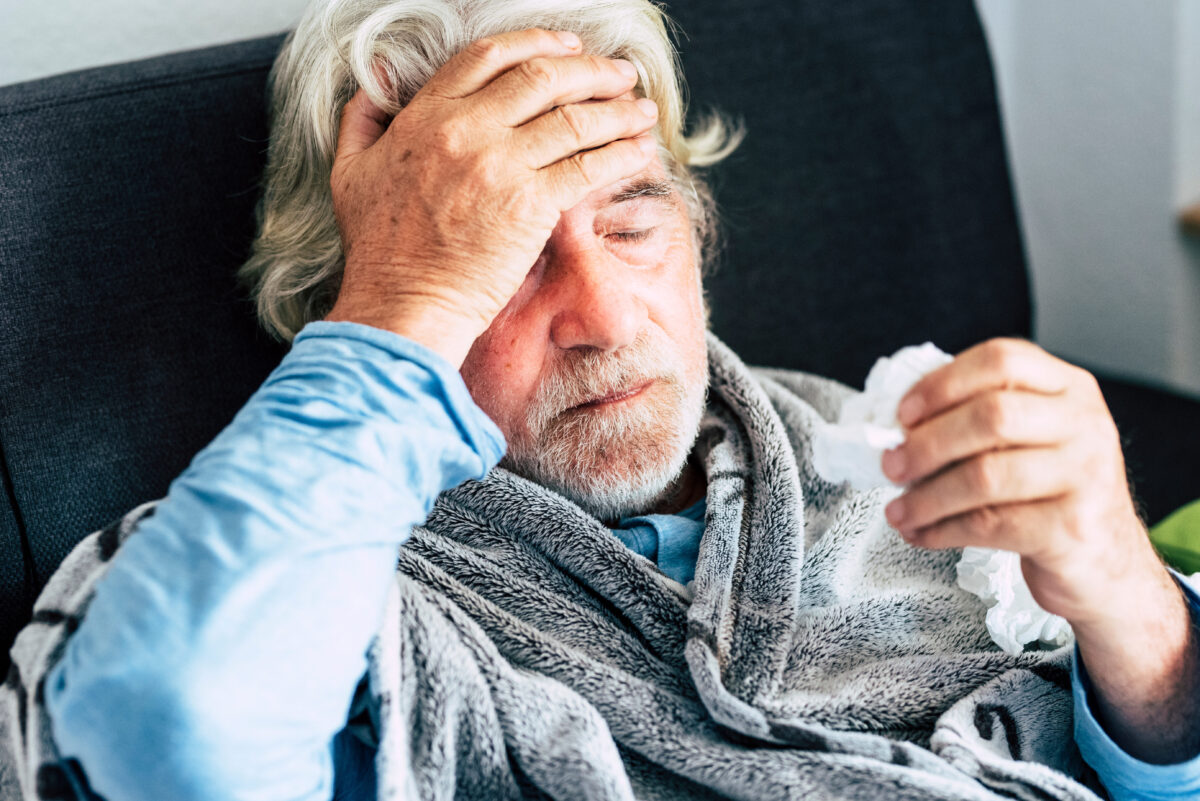
Risk factors are some elements that can increase the chance of developing a disease. COVID-19 also has many risk factors, although they may not have the same effect.
What Is the Main Risk Factor for COVID-19?
The SARS-CoV-2 virus doesn’t affect everyone in the same way. In general, age is considered the strongest factor for COVID-19. According to a study published in August 2020 in The Journal of Infection, male smokers aged 65 and older might have a greater risk of developing critical illness and death after being infected by the SARS-CoV-2 virus. In addition, having serious underlying health problems can also significantly increase the risk of developing severe COVID-19 symptoms and death, regardless of the patient’s age.
What Age Is a Risk Factor for COVID-19?
There is an increased risk of severe illness from COVID-19 among people over 50 years old, with the risk increasing with age. People over the age of 85 are the population most likely to become severely ill after being infected with the SARS-CoV-2 virus.

What Factors Increase the Risk of COVID-19?
There are many factors that can increase the risk of COVID-19, including the ones stated below. People with a combination of two or more of these factors are positioned at an even higher risk to get infected, becoming severely ill, or even dying from COVID-19.
1.) Advanced age
Middle-aged adults and the elderly are at a higher risk of COVID-19 infection than the average population. People over the age of 85 are the most likely to become severely ill. In the United States, around 81 percent of COVID-19 deaths were among people over the age of 65. Also, residents of senior homes typically have underlying health issues and are of advanced age. Since they live together under the same roof, the SARS-CoV-2 virus can easily spread among them.
2.) Medical conditions
Underlying health problems include:
- Lung diseases: As COVID-19 targets the lungs, people with lung problems are at a higher risk of contracting the virus and becoming severely ill. These lung problems include asthma, lung cancer, cystic fibrosis, chronic obstructive pulmonary disease (COPD), pulmonary hypertension, pulmonary embolism, and many other chronic lung diseases.
- Heart conditions: People with heart problems tend to develop severe symptoms following COVID-19 infections. These conditions are heart failure, coronary artery disease, cardiomyopathy, prior heart attacks, and congenital heart diseases.
- Cancer: People with a history of cancer are at higher risk of COVID-19 infection and severe illness. Some cancer treatments can also weaken the immune system.
- Diabetes: Both Type 1 and Type 2 diabetes can increase the risk of COVID-19 infection and serious symptoms, as diabetes can weaken the immune system.
- Overweight and obesity: The risks of COVID-19 infection and severe illness from COVID-19 increase with higher body mass indices (BMI).
- Kidney problems: People with chronic kidney problems have weaker immune systems, which may increase the risk of severe illness from COVID-19.
- Liver issues: People with chronic liver problems also have weaker immune systems. These liver conditions include alcohol-related liver disease, non-alcoholic fatty liver disease, autoimmune hepatitis, and liver cirrhosis.
- Mental issues: People with mental health conditions are more likely to develop severe COVID-19 symptoms than the average population. These conditions include depression, anxiety disorders, bipolar disorder, and schizophrenia.
READ MORE : Is Schizophrenia Always Genetic?
- Brain, nervous system, and neurological problems: Some people with brain, neurological or nervous system problems are more likely to develop severe COVID-19 symptoms than others. These conditions include stroke, dementia, and Alzheimer’s disease.
- Blood disorders: As blood is responsible for carrying immune cells throughout the body, blood disorders can weaken the body’s immune system. These blood disorders include blood clotting disorders, thalassemia, anemia (including sickle cell anemia), leukemia and other blood cancers, and leukocytosis.
3.) Weakened immune system
Once weakened, the immune system cannot effectively fight off invading germs, bacteria, or viruses, thus increasing the risk of contracting COVID-19. A weakened immune system may be the result of:
– Being HIV positive
– Organ transplants
– Certain cancer treatments, including chemotherapy, radiation therapy, surgery, and stem cell/bone marrow transplants
– Autoimmune diseases
4.) Immunosuppressive treatments and medications
Many cancer treatments (including the aforementioned ones) and some medications can weaken people’s immune systems
READ MORE : 9 Top Herbs to Boost Your Immune System
5.) Smoking or vaping
Smoking or vaping can both harm the lungs and compromise the immune system. Even former smokers are at a higher risk of developing severe COVID-19 symptoms.
6.) Using marijuana
The tetrahydrocannabinol (THC) in cannabis can inhibit the immune system, and marijuana smoking can worsen the respiratory symptoms of COVID-19 infection.
READ MORE : Cannabis Legalization and COVID-19 Lockdowns Increased Cannabis Use
7.) Pregnancy
Pregnant and recently pregnant individuals (i.e. people who have been pregnant in the last 6 weeks) have a higher risk of severe illness after COVID-19 infection, in comparison with the general population.
8.) Lack of exercise and/or a sedentary lifestyle
According to a study involving 48,440 adult patients, which was published in April 2021 in the British Journal of Sports Medicine, COVID-19 patients that were physically inactive had a greater risk of hospitalization, ICU admission, and death than those who were physically active.
9.) Poor diet
According to a study with 592,571 participants, which was published in September 2021 in the journal Gut, a healthy diet was associated with a lower risk of COVID-19 infection and severe illness. The researchers concluded that diet quality might directly influence COVID-19 susceptibility and progression. Therefore, a poor diet might make a person more prone to COVID-19 infection and severe symptoms.
Who is Considered High Risk For COVID-19?
People over the age of 65 are at a high risk of developing a serious illness from COVID-19. In 2020, people aged 65 and older accounted for 81 percent of COVID-19 deaths in the United States. According to a study published in May 2020 in the journal Aging (Albany NY), this is mainly due to older adults’ aging (and often weakened) innate and adaptive immune systems, increased inflammation, and cytokine storms.
In addition, people with severe underlying health problems such as diabetes and heart conditions are also at a higher risk of developing severe COVID-19 symptoms and death. According to Carissa F. Etienne, director of the Pan American Health Organization (PAHO), 30 percent of the people in the Americas are at an elevated risk for severe COVID-19 conditions due to underlying health issues.
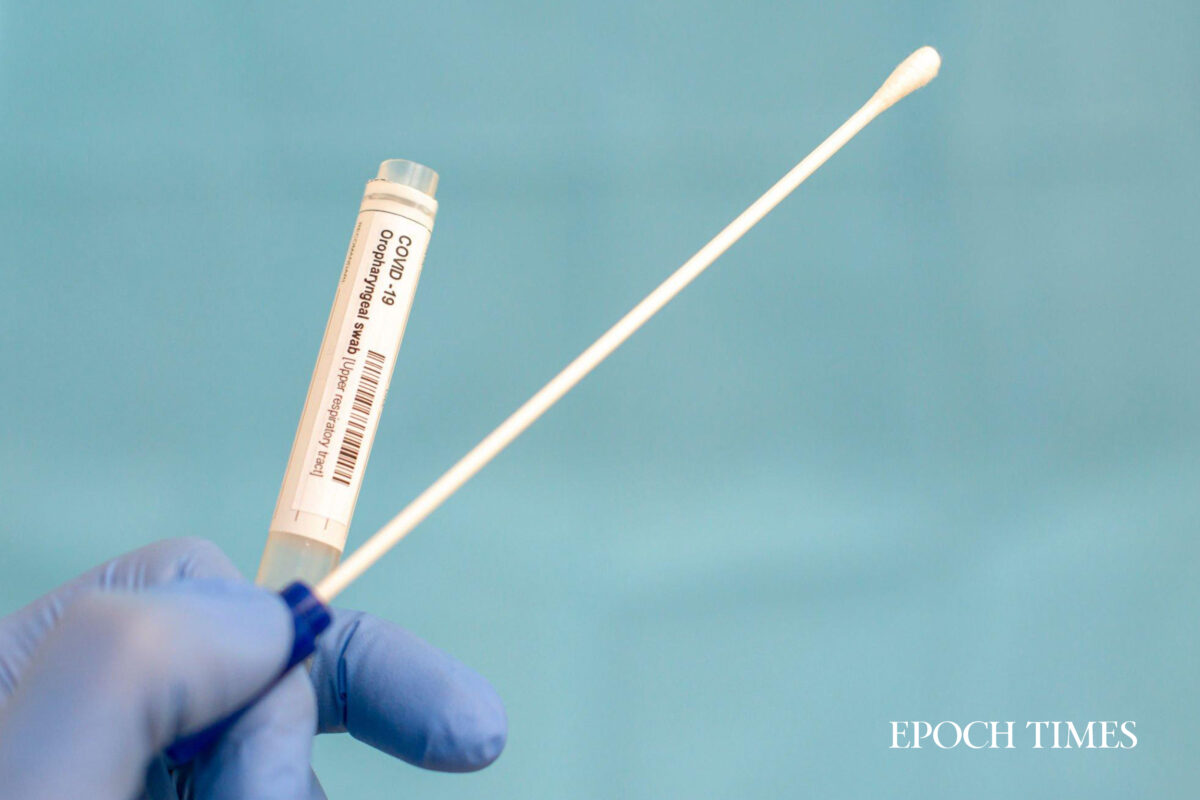
How Do You Assess Your COVID-19 Risk?
When making daily decisions such as attending an event with a lot of people during the COVID-19 pandemic, it’s important to assess your own COVID-19 risk.
There are several major factors that either increase or decrease the risk of transmission, including:
1.) Weakened immunity
With weakened immunity, it’s difficult for the body to effectively fight off invading germs, bacteria, or viruses, thus increasing the risk of COVID-19 transmission. According to Rush University System for Health, people with weakened immunity have an impaired immune system, which makes them more prone to COVID-19 infection. And once infected, their weakened immune system causes their symptoms to be more severe, as the virus would affect more organs and cause more damage to their body.
READ MORE : How Can I Prevent COVID-19?
2.) Certain factors regarding your physical interactions with others
One of these factors is the space between you and others. The closer you are to other people, the higher the risk of COVID-19 infection. The recommended physical distance between you and another individual is a minimum of 2 meters (6 feet).
Another such factor is the length of your exposure time to others. The longer the exposure time, the higher the risk of COVID-19. An exposure time of over 15 minutes is considered to be able to significantly increase the risk.
The number of people present at the venue with you is also one of these factors. The more people you interact with, the higher the risk of contracting the virus.
3.) Other factors
These may include whether masks are worn, whether there’s excellent ventilation (i.e. fresh air), and whether the people you interact with show any symptoms of COVID-19.