
A federal judge has ruled that the government violated the First and Fifth amendments by using immigration laws to threaten noncitizens with visa revocation and deportation based on their protected speech.
U.S. District Judge Noël Wise of the Northern District of California issued the ruling Friday in a lawsuit filed by Stanford Daily Publishing Corporation and an unnamed foreign student in the country on a lawful visa.
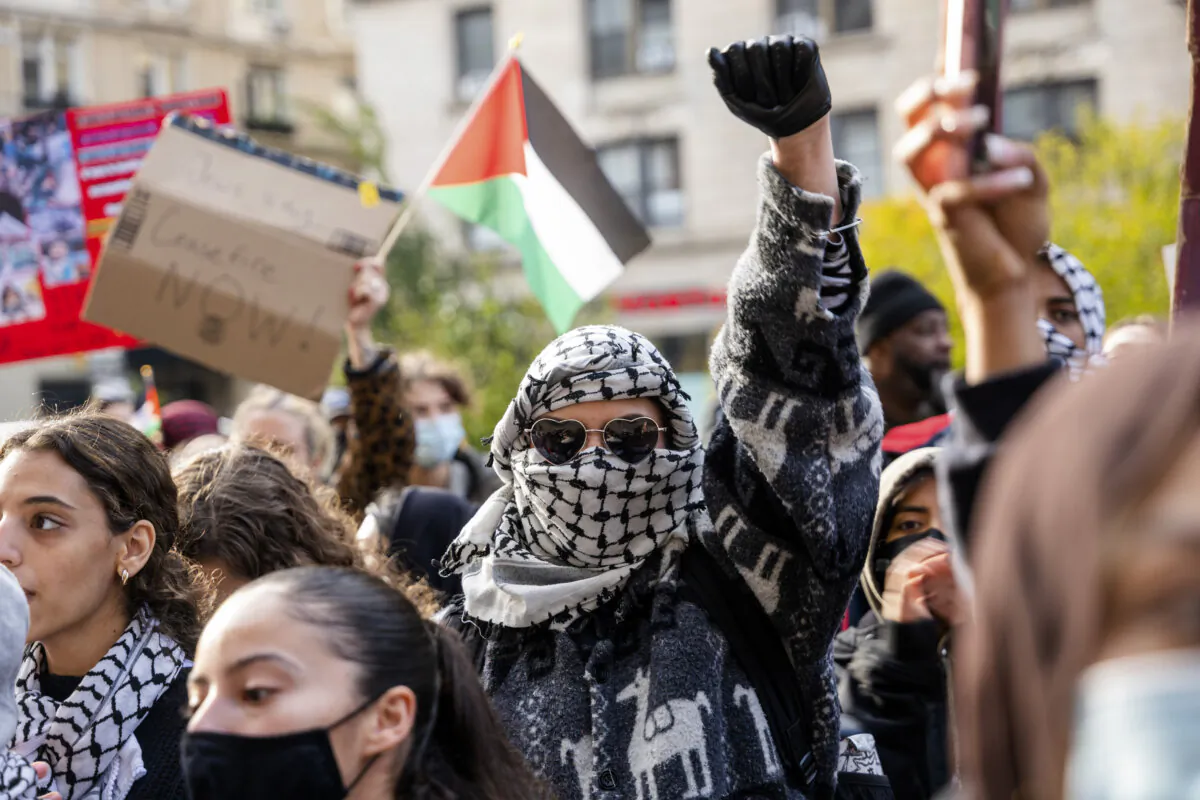
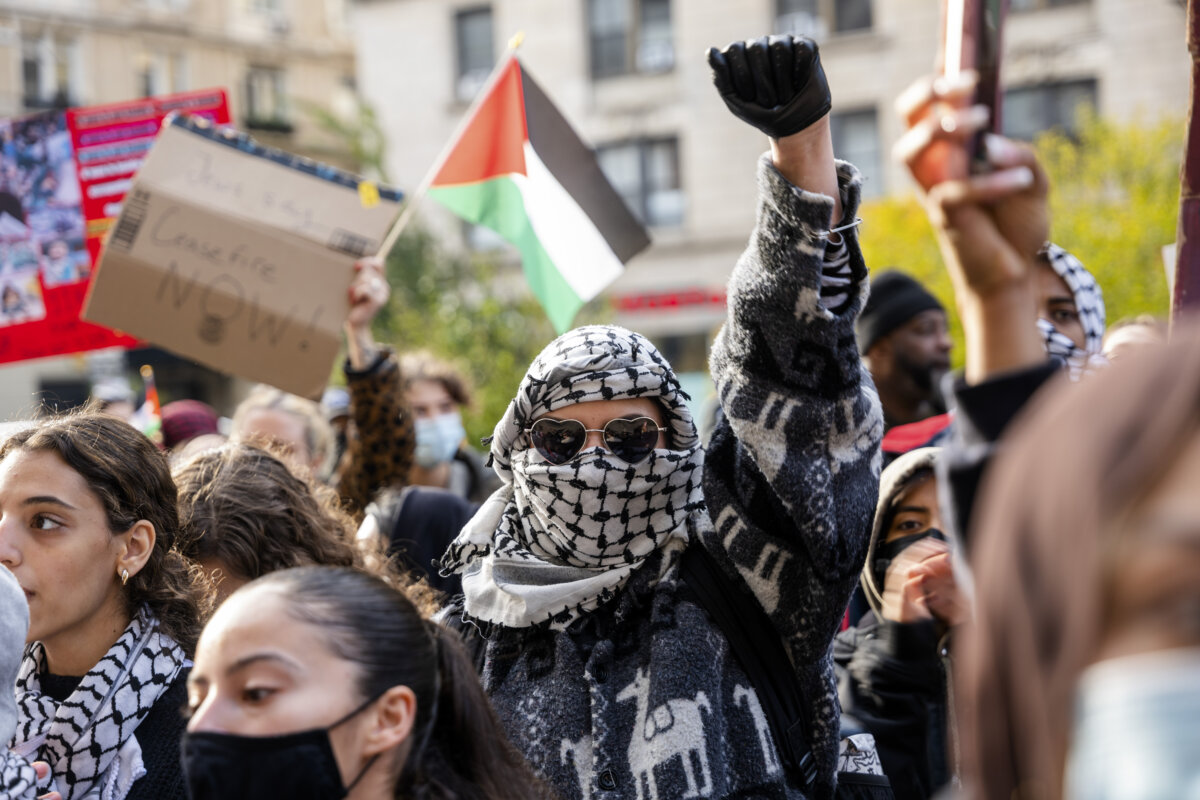
The plaintiffs alleged that the government targeted foreign students who expressed support for Palestinians or criticized Israel’s actions, calling it an “ideological-deportation policy.”
The lawsuit challenged provisions of the Immigration and Nationality Act that allow the secretary of state to revoke visas and seek the removal of noncitizens whose presence or activities could create “potentially serious adverse foreign policy consequences” for the United States.
Wise ruled the provisions violated the First Amendment when enforced on the basis of constitutionally protected speech. She also found the provisions unconstitutionally vague under the Fifth Amendment because they failed to provide noncitizens with adequate notice of what speech could place their immigration status at risk.
“Stated plainly, in the United States, freedom of speech belongs to the people,” Wise wrote. “It is not the government’s to take.”
The court relied on a related Massachusetts case concerning the arrests and attempted deportations of foreign students. Government officials cited their involvement in pro-Palestinian protests or criticism of Israel, although the court said none of the government reports made accusations of violence or support of terrorist groups.
Wise found the government’s actions had produced a chilling effect at Stanford. Noncitizen students stopped attending protests, removed published articles, declined assignments involving Israel and Gaza, and refused to speak on the record. The unnamed students stopped wearing a keffiyeh, displaying a Palestinian flag, and posting pro-Palestinian commentary online.
“The government has offered a chilling message regarding protected speech—speak out against Israel or in support of Palestinians and we will revoke your visa and deport you. Behave. Noncitizen students heard the warning and heeded it. And, as the idiom goes, the silence is deafening,” Wise wrote.
The ruling does not invalidate the immigration provisions in all circumstances. It declares them unconstitutional only when used against noncitizens based on protected speech.
Wise declined to issue an injunction blocking enforcement of the deportation provision, finding federal law allows only the Supreme Court to grant such a remedy.
The White House and the State Department did not return emails seeking comment.
However, Secretary of State Marco Rubio defended the visa revocation policy in April.
“This is not about free speech. This is about people that don’t have a right to be in the United States to begin with,” Rubio said in response to a case at Columbia University.
“I think being a supporter of Hamas and coming into our universities and turning them upside down and being complicit in what are clearly crimes of vandalization, complicit in shutting down learning institutions … if you told us that’s what you intended to do when you came to America, we would have never let you in,” the secretary of state said at the time.
The Foundation for Individual Rights and Expression challenged the immigration policy in court and released a statement.
“In America, free speech doesn’t just belong to the people who say things the government agrees with,” Foundation for Individual Rights and Expression Attorney Conor Fitzpatrick said in an Aug. 28 statement. “Today’s ruling proves that free speech isn’t a privilege, but the inalienable right of every man, woman, and child.”
 Friends Read Free
Copy
Facebook
Tweet
Friends Read Free
Copy
Facebook
Tweet