
Members of Congress are investigating nonprofits that procure organs in the United States, amid concerns they may be abusing the Medicare system.
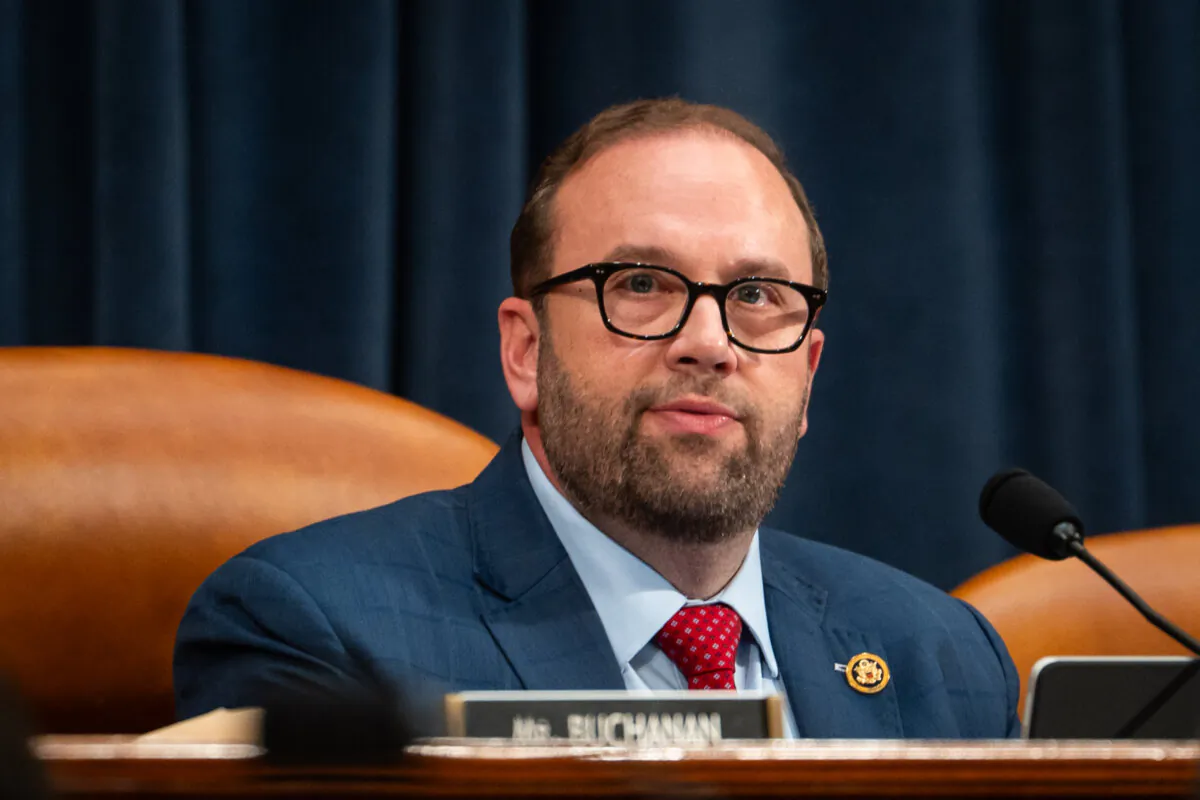
Rep. Jason Smith (R-Mo.), chairman of the House of Representatives Ways and Means Committee, and Rep. David Schweikert (R-Ariz.), chairman of the committee’s Oversight Subcommittee, announced on July 23 that they’re probing three organ procurement organizations, or nonprofits that help find organ donors and assist medical staff when donors are found.
Smith and Schweikert said in a letter to the New Jersey Organ and Tissue Sharing Network that they’re looking into allegations that the network received reimbursements from Medicare for research that was never performed.
In response to a request for information on organ procurement organizations, lawmakers were also told that the network may be seeking to obtain organs that staffers allegedly know are not suitable for research, but are offering them to researchers anyway.
“When those legitimate research facilities would decline your offer, your organization would allegedly keep the organ internally for ‘research’ that was never performed,” the lawmakers stated. “The claims state that this resulted in organs being left in freezers or incinerated rather than being used for their stated research purpose.”
If the allegations are true, the network would be reimbursed for its own profit, rather than for the tax-exempt purpose of procuring organs and saving lives, they said.
The network did not respond to a request for comment by publication time.
Smith and Schweikert told the Indiana Donor Network (IDN) in another letter that they’re probing network officials’ alleged use of private jets for charter flights that are not connected to the network’s mission of procuring organs.
“The Committee wants to confirm that these flights were not incorrectly submitted on your Medicare Cost Report and reimbursed with taxpayer dollars. Furthermore, the Committee wants to ensure that your organization does not have a proclivity for using IDN’s financial resources outside of the organization’s charitable purpose or to enrich board members or senior leadership,” they stated.
The network did not respond to an inquiry by publication time.
The lawmakers are also examining the structure of a third organ procurement organization, the LifeShare Network. The structure allegedly could lead to the redirection of resources away from the mission of procuring organs, they told the network, which also did not return a request for comment by publication time.
“Organ procurement organizations serve a vital public good and have saved the lives of countless Americans, but like any beneficiary of tax-exempt status or recipient of public funds, they must operate within the bounds of the law,” Smith said in a statement.
“Recent reports of fraud, abuse, and corruption at several of these organizations are deserving of investigation in order to maintain public trust in our nation’s organ donation network and to ensure these entities are operating within their stated tax-exempt purpose.”
Schweikert added: “Congress must continue to ensure that all tax-exempt health-care entities, including Organ Procurement Organizations, are aligning their incentives with their core mission of delivering quality care. We have a responsibility to make sure these organizations are not exploiting the tax code at the expense of taxpayers and beneficiaries.”
Fifty-five organ procurement organizations are involved in the Organ Procurement and Transplantation Network, the public-private partnership established by Congress to find organ donors, remove organs from donors, and deliver them to people who need transplants.
The letters came after the Department of Health and Human Services said it found instances of “clear negligence” committed by a different organ procurement organization, Network for Hope, and directed the network to implement changes.
Dr. Raymond Lynch, an official with the Health Resources and Services Administration, which helps oversee the organizations, told members of Congress this week that the system needs to be improved to prevent future issues. Past problems identified include improperly advancing patients toward donation when they show signs of improvement.
 Friends Read Free
Copy
Facebook
Tweet
Friends Read Free
Copy
Facebook
Tweet