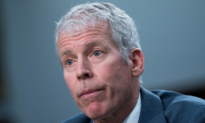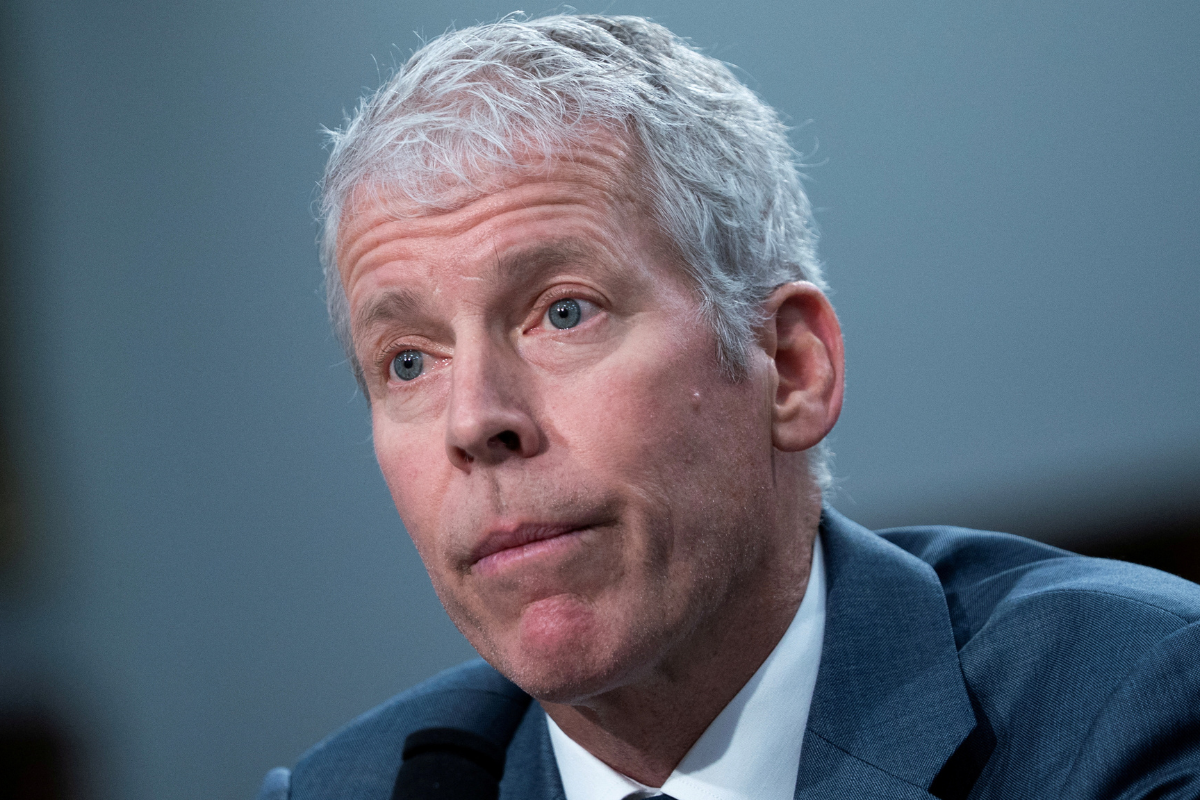

U.S. Energy Secretary Chris Wright told Fox News on July 22 that imposing sanctions on Russian oil in an effort to end the Ukraine war is a “very real possibility.”
Wright said in an interview on Fox News’s “Special Report” with host Bret Baier that sanctions are “the biggest pressure you can put on [Russia], and President [Donald] Trump has been all in on peace, wherever it is.”
The energy secretary told Baier that as the world’s largest oil and natural gas producer, the United States is “able to do things today” that it “couldn’t do before.”
Earlier this month, Trump threatened secondary tariffs on buyers of Russian oil if Moscow does not agree to a peace deal with Kyiv by early September.
On July 14, Trump set a 50-day deadline, after which, if no agreement is made, he would introduce a 100 percent duty on goods from third countries that trade with the Russian Federation, a move that would further isolate Moscow from the global economy.
Trump’s proposed 100 percent secondary tariffs are separate from the Russian sanctions bill, sponsored by Sen. Lindsey Graham (R-S.C.), which proposes even higher tariffs on Russia and its trading partners.
According to the summary of the Sanctioning Russia Act of 2025, the United States could impose at least a 500 percent tariff on goods and services imported from Russia and at least 500 percent tariffs on goods and services imported from countries “that knowingly engage in the exchange of Russian-origin uranium and petroleum products.”
Last week, the European Union approved its 18th sanctions package targeting Russia’s energy industry and shadow fleet.
Kaja Kallas, the EU’s high representative for foreign affairs and security policy, said on July 18, “We will keep raising the costs so stopping the aggression becomes the only path forward for Moscow.”
Negotiations
A third round of peace talks is due to take place in Turkey on July 23, which will include preparations for exchanging prisoners.
Two rounds of negotiations between Russia and Ukraine were held earlier this year in Istanbul, at which negotiators agreed on the exchange of prisoners and return of the remains of soldiers killed in action. Neither meeting produced meaningful progress toward an agreement to end the war.
Ukrainian President Volodymyr Zelenskyy said on July 21 that his focus in the meeting would be on the prisoner swap, the return of abducted Ukrainian children, and preparations for a leadership-level meeting with Russian President Vladimir Putin.
Kremlin spokesperson Dmitry Peskov indicated there would be no changes to the Russian delegation, which means Putin’s aide, Vladimir Medinsky, would continue to lead talks on behalf of Moscow.
In previous meetings, Moscow had demanded, as a condition for the end of the war, that Ukraine surrender four of its southeastern provinces, which have been under partial Russian control, and renounce its plans to join NATO.
Kyiv has dismissed these demands as unacceptable, and Zelenskyy has further ruled out recognizing Russia’s 2014 annexation of Crimea.
Arming Ukraine
Ukraine’s Western allies have been pledging support for aiding the arming of Ukraine.
On July 14, Trump proposed sending arms—including Patriot air defense systems—to Kyiv, with European allies covering the cost.
On July 21, UK Secretary of State for Defence John Healey headed the Ukraine Defense Contact Group, where a government statement said he urged officials and defense ministers from more than 50 of Ukraine’s allies to back a 50-day push to arm Ukraine “and force Putin to the negotiating table.”
Zelenskyy recently reshuffled his Cabinet, with one of the government’s focuses being to boost domestic weapons production from 40 percent to 50 percent within the next six months.
Bill Pan contributed to this report.
 Friends Read Free
Copy
Facebook
Tweet
Friends Read Free
Copy
Facebook
Tweet