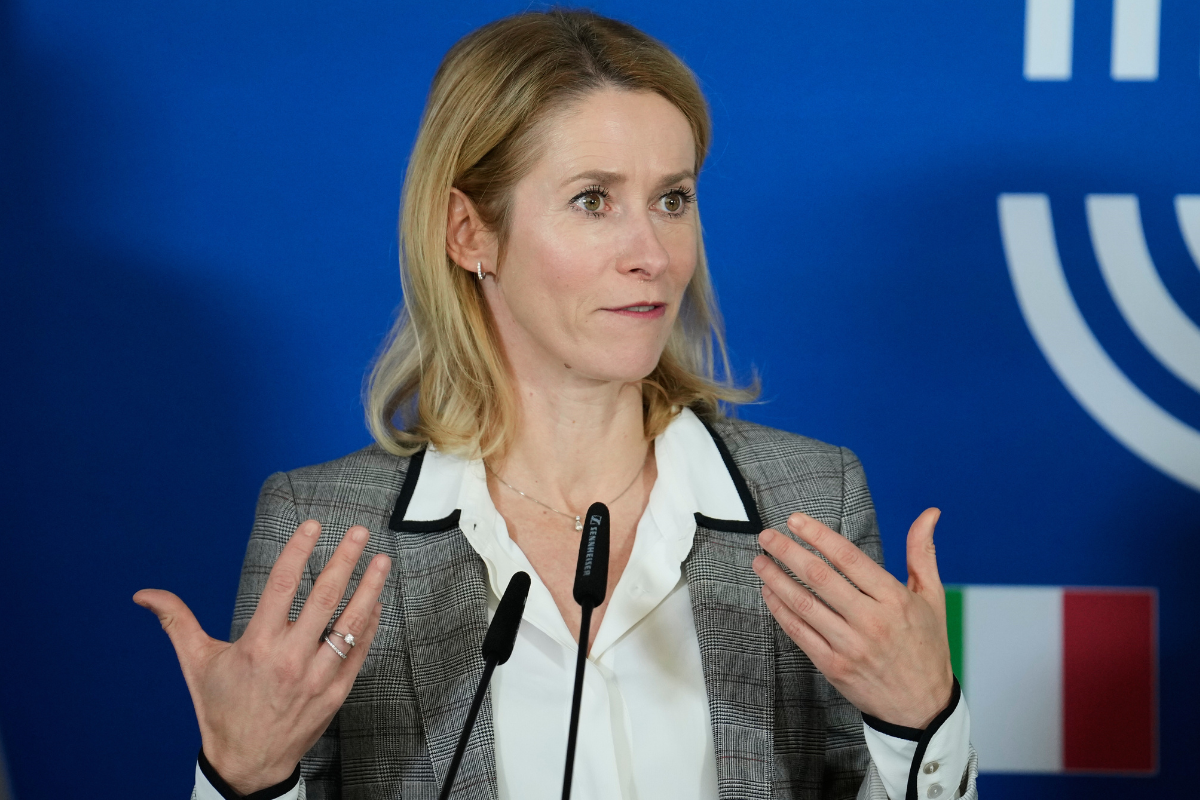

EU foreign policy chief Kaja Kallas said that an Estonian proposal to blacklist Russians who have fought in Ukraine was supported by “many member states,” during a meeting of EU foreign ministers on Jan. 29.
“If you look how many ex-combatants are there compared to the war in Afghanistan, for example, there are a lot of them. And it poses a clear security risk to Europe,” Kallas, who was previously prime minister of Estonia, said, adding that the ministers had agreed to take the proposal further.
“This is one of the steps that we need to prepare, if there is a ceasefire or some kind of solution. We need to have answers before. What do we do? What are risks then? Because the risks also change.”
Estonian Foreign Minister Magnus Tsahkna said earlier in the day that he wanted to stop Russian combatants from entering the European Union’s Schengen area.
“There can be no path from Bucha to Brussels. … Battle-hardened Russian fighters pose a serious security risk and must not walk freely into the Schengen Area,” Tsahkna wrote in a Jan. 29 post on X.
“We need to put together the blacklist of these people and ban as Schengen countries they enter already right now,” he said in a video accompanying the post. “We need to protect European security. We need to do it together.”
Tsahkna added that the Estonian government had already compiled a list of close to 300 combatants and it would continue to add to it, but said that the approach needed to be coordinated across the bloc.
The Estonian proposal comes as Brussels is debating its 20th package of sanctions against Russia, which is planned to be approved on Feb. 24, according to Kallas, although she did not go into precise details about what would be included.
Tallinn’s call for the blacklist follows a suggestion by Sweden and Finland earlier this month for the EU to ban companies within the bloc from providing support to Moscow’s oil and gas shipping fleet, impose sanctions on Russian fertilizers, and halt the export of luxury goods to the country.
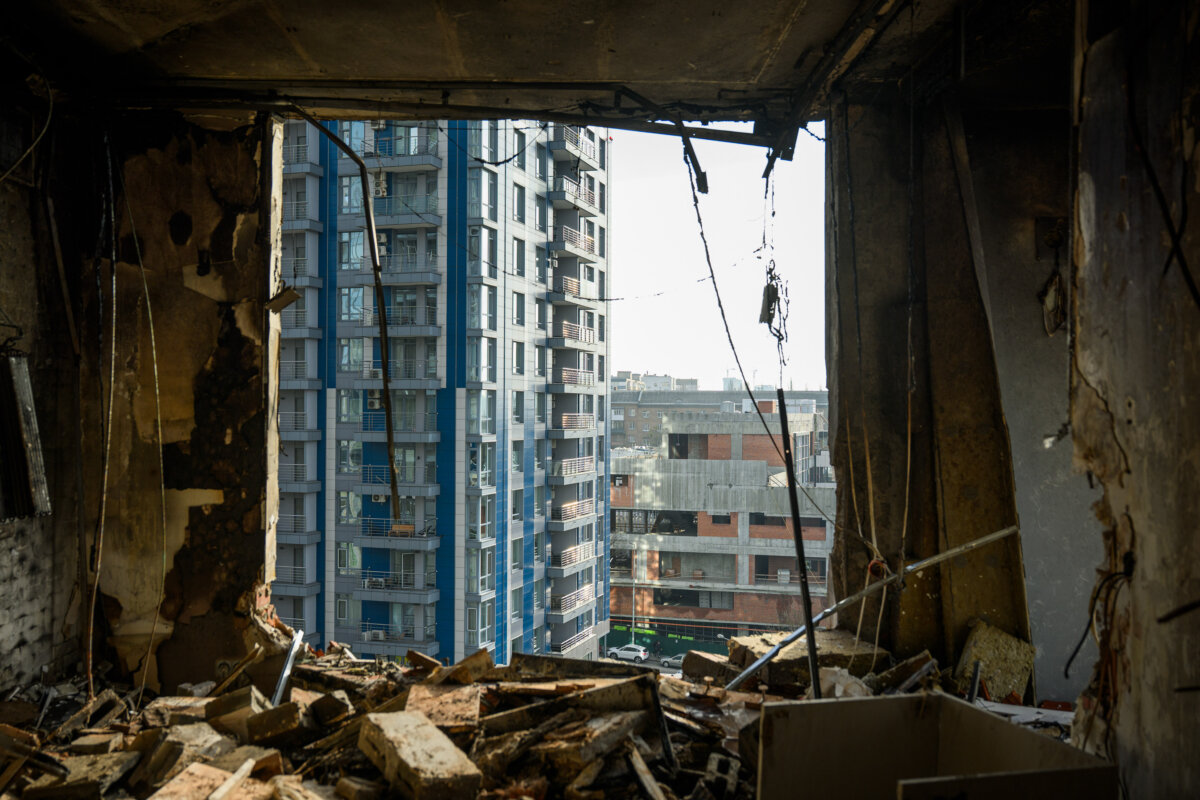
The EU has so far imposed 19 packages of sanctions against Russia since the 2022 invasion of Ukraine.
The latest sanctions package, which came into effect in December, tightened restrictions by banning EU citizens and companies from doing business with newly listed Russian-linked entities, further cutting access to maritime services and insurance.
In total, more than 2,600 individuals and companies are now sanctioned.
The EU also imposed tariffs on fertilizer imports from Russia in July 2025. Russia produces more than 20 percent of the world’s fertilizer and accounts for about one-quarter of the EU’s fertilizer imports.
 Friends Read Free
Copy
Facebook
Tweet
Friends Read Free
Copy
Facebook
Tweet