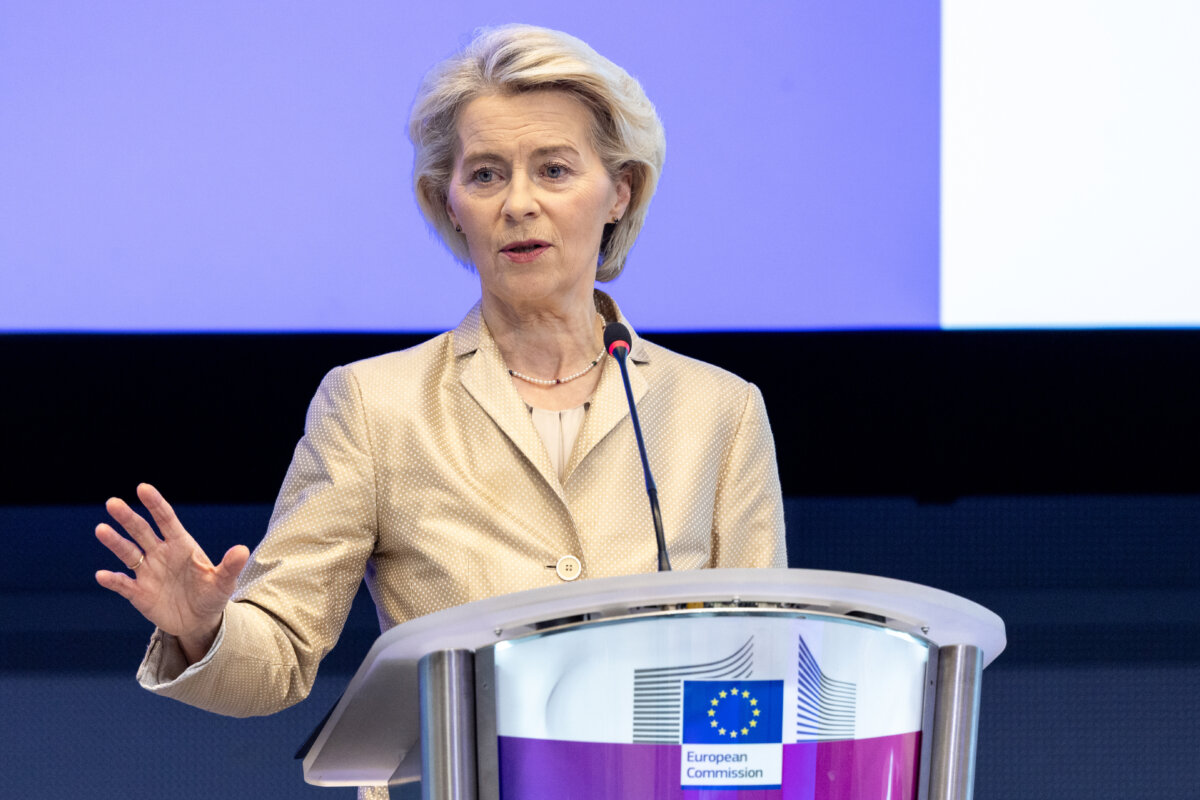

The European Union will call for a faster phasing out of Russian gas and oil imports, European Commission President Ursula von der Leyen said on Sept. 16, following a conversation with U.S. President Donald Trump.
Von der Leyen said she and Trump had “a good call” during which they discussed how to increase economic sanctions on Russia over the country’s ongoing war with Ukraine.
Posting on X, Von der Leyen said she and Trump had spoken about strengthening “joint efforts to increase economic pressure on Russia through additional measures.”
“The commission will soon present its 19th package of sanctions, targeting crypto, banks, and energy,” she said. “Russia’s war economy, sustained by revenues from fossil fuels, is financing the bloodshed in Ukraine.
“To put an end to it, the commission will propose speeding up the phase-out of Russian fossil imports.”
Von der Leyen’s comments follow Trump’s recent statement that he would impose major sanctions on Moscow if NATO were to stop buying Russian oil and impose high tariffs on China for its purchases of Russian petroleum.
Pressure on NATO
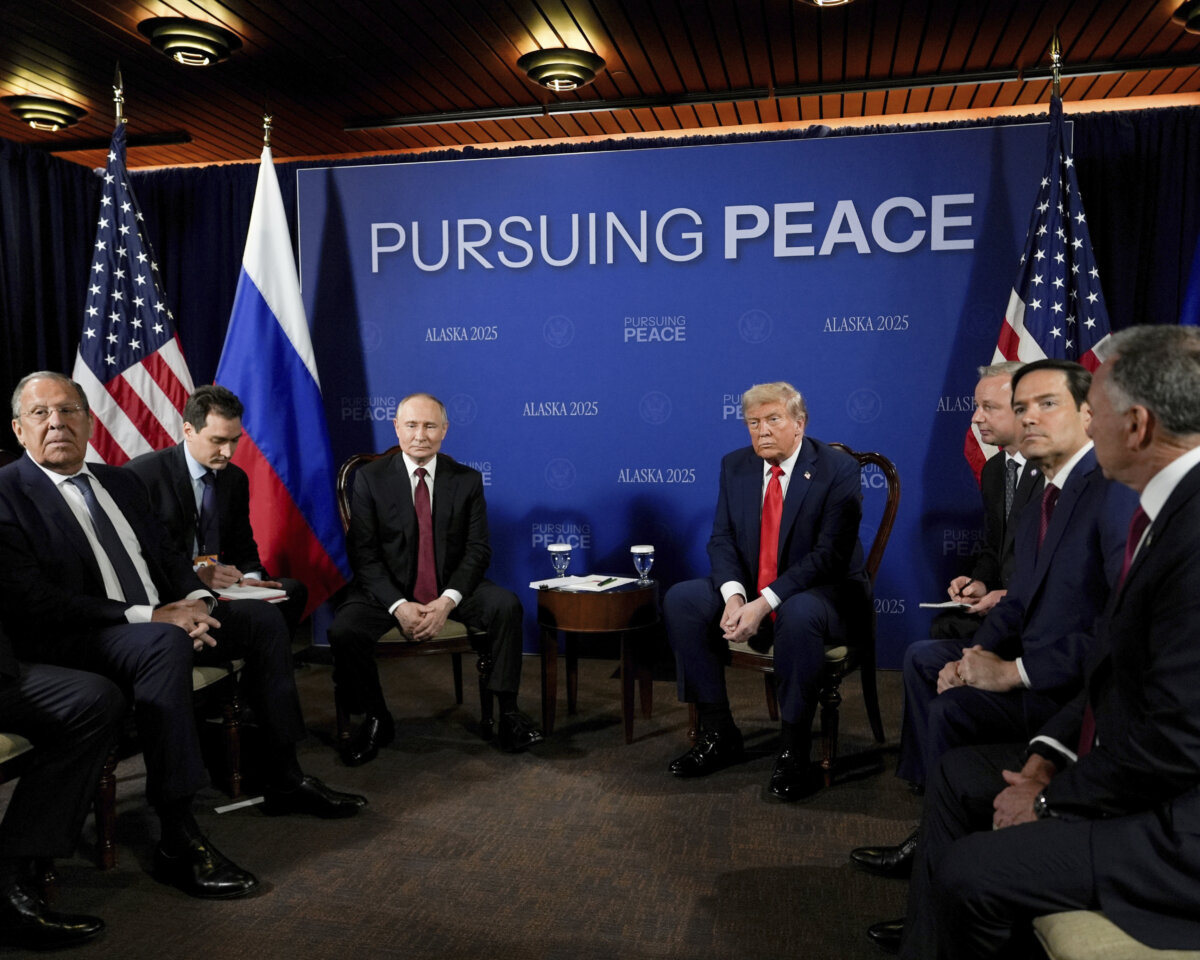
In a statement posted on Truth Social on Sept. 13, Trump accused NATO states of undermining the alliance’s economic leverage against Moscow by continuing to buy Russian fossil fuels, despite previous pledges to not do so.
“I am ready to do major Sanctions on Russia when all NATO Nations have agreed, and started, to do the same thing, and when all NATO Nations STOP BUYING OIL FROM RUSSIA,” Trump wrote.
“Anyway, I am ready to ‘go’ when you are. Just say when?”
He said a unified embargo would bring a swift end to the war in Ukraine by cutting off Russia’s economic lifelines.
“This is not TRUMP’S WAR (it would never have started if I was President!),” Trump said of the conflict, which began in 2014 but escalated in February 2022 when Russian President Vladimir Putin launched an invasion of Ukraine, saying it was an effort to support the Russian-backed republics of Donetsk and Luhansk.
Trump wrote his post following a call on Sept. 12 with Group of Seven finance ministers, during which U.S. Treasury Secretary Scott Bessent and U.S. Trade Representative Jamieson Greer pressed allies to match Washington’s tariffs on countries buying Russian oil.
Escalations Following Attack
Talk of a sanctions escalation came after Russia unleashed more than 800 drones and missiles on Sept. 7 in what Kyiv described as the largest aerial assault of the war. It killed four people and wounded dozens.
In a series of posts on X, Ukrainian President Volodymyr Zelenskyy called on nations to ramp up economic pressure on the Kremlin, calling for “tough tariffs and other restrictions on trade.”
Official figures show that EU countries have significantly reduced their collective dependence on Russian fossil fuels—especially oil—since 2022, although the picture is mixed across the different member states.
The EU imposed a ban on seaborne imports of Russian crude oil in December 2022, following it up with another on refined oil products in February 2023.
Despite the sanctions, some countries, including Hungary and Slovakia, still receive Russian crude oil via pipelines under EU exemption rules. Russian gas remains part of EU imports for many countries.
Slovakian Veto
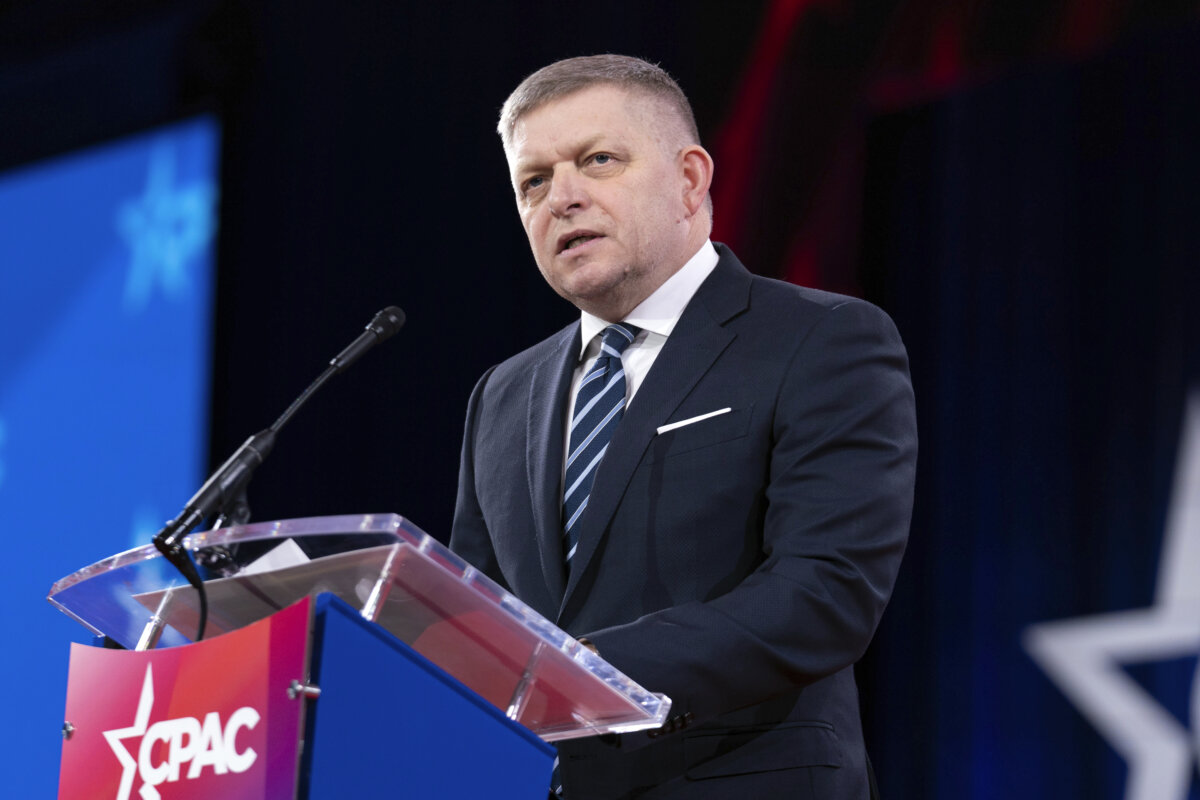
Slovak Prime Minister Robert Fico initially vetoed the EU’s 18th package of sanctions, calling the aim to phase out fossil fuel imports from Russia an “idiotic proposal” that harmed his country’s national interests.
Slovakia lifted its veto after the European Commission offered guarantees to mitigate the impact of the planned Russian gas import ban, but tensions remain over further measures.
Fico has said consistently that both Slovakia and the EU as a whole have been more negatively affected by the sanctions against Russian oil than the Kremlin.
The NATO member state’s leader made it clear that he would not approve any move that would stop or hinder Slovakia from importing fuel for its nuclear power plants from Russia.
As the executive branch of the EU, the commission proposes legislation and policies for the bloc and implements and enforces the laws adopted by its 27 member states.
The adoption of new sanctions, as well as the extension of existing ones, requires unanimous approval from the Council of the European Union.
 Friends Read Free
Copy
Facebook
Tweet
Friends Read Free
Copy
Facebook
Tweet