

France recorded its hottest day ever on June 23, as an early summer heat wave gripped the country’s residents, forcing early closures of the famed Eiffel Tower and Louvre Museum and sending its national health system into crisis mode.
France’s weather agency Météo-France recorded an average temperature of 29.8 degrees Celsius (85.6 degrees Fahrenheit) throughout the country during the day. This new record surpassed the old record of 29.4 degrees Celsius (84.9 Fahrenheit), reached on July 25, 2019.
The record was for the highest countrywide average for combined day and night temperatures.
Temperatures in some areas spiked to 44.3 degrees Celsius (112 degrees Fahrenheit) in the west-central part of France on June 22.
Forecasters expect temperatures to reach even higher as the week continues; maximum temperatures are expected to hit 40 Celsius (104 Fahrenheit) to 42 Celsius (107 Fahrenheit), the agency reported.
The heat wave is comparable in severity to a heat wave the country experienced in August 2003, according to Météo-France. The August 2003 event lasted 16 days and resulted in 14,800 deaths.
French Prime Minister Sébastien Lecornu said 40 people had drowned seeking relief from the heat since June 18.
It is “a sad disaster,” Lecornu said during a press conference. The victims are “mainly young people.”
The French government held a crisis meeting on the heat wave later in the day.
“It’s not something to be taken lightly, going swimming in unsupervised areas during a heatwave,” Sports and Youth Minister Marina Ferrari told French radio, as reported by the BBC.
Météo-France issued a red warning for extreme high temperatures in the country, saying they endangered everyone, including those in good health.
The public was advised not to go outside during the peak heat hours from 11 a.m. to 9 p.m.
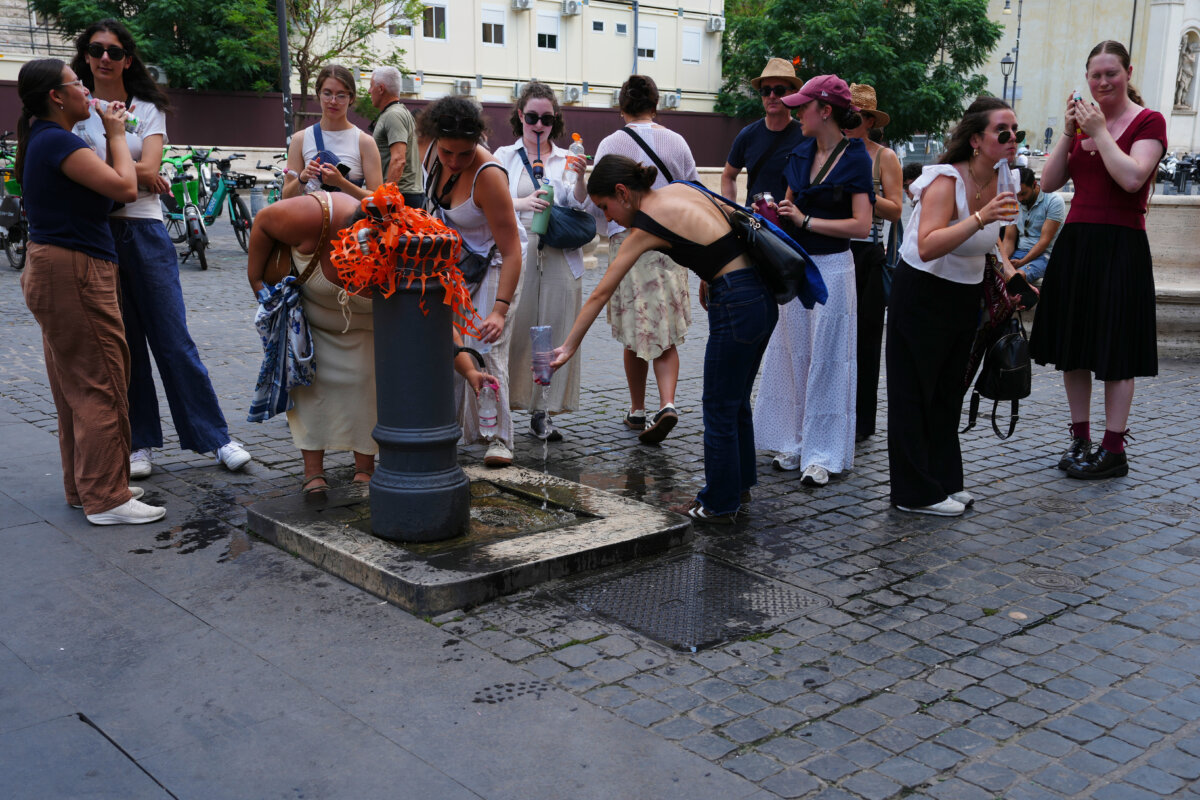
The baking temperatures have tested inhabitants in the country’s historic cities who live mostly without air conditioning for cultural and environmental reasons.
Heat lingered into the evening hours; temperatures were at 98 degrees Fahrenheit at 7 p.m. on June 23.
English actress Minnie Driver, who is staying in an apartment in Paris, said it reached 98.5 degrees Fahrenheit inside her non-air-conditioned unit at 9:15 p.m. on June 22.
“It is unbelievable,” the actress said in an Instagram post. “It’s so hot and not in a hot way, you know what I mean?”
Driver, who is shooting the sixth and final season of the Netflix comedy series “Emily in Paris,” said the crew canceled its June 26 shoot because of the ongoing heat wave.
“It’s gonna be even hotter than it is now, which feels … impossible and also disturbing,” Driver said. “I’m never complaining about winter again.”
Hot weather in Paris was expected to peak at 107 degrees Fahrenheit this week, before dropping to 100 degrees on June 26 and then slipping back into the 80s on June 28, according to AccuWeather.
In response to the heat wave, Lecornu’s government activated the country’s nationwide emergency healthcare crisis response system, called the ORSAN plan.
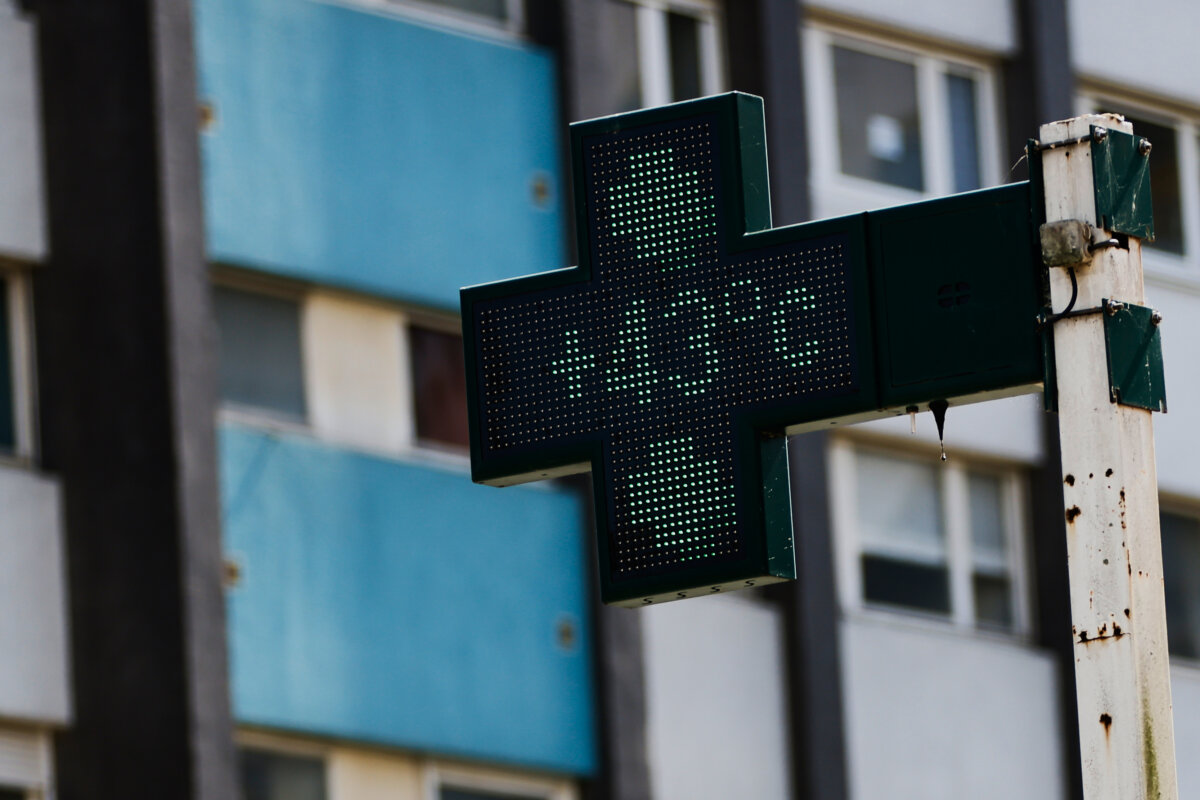
The activation will help mobilize medical personnel needed to keep hospitals running and able to respond to heat-related crises, Lecornu said.
“All state services are mobilized to address the heatwave,” he said.
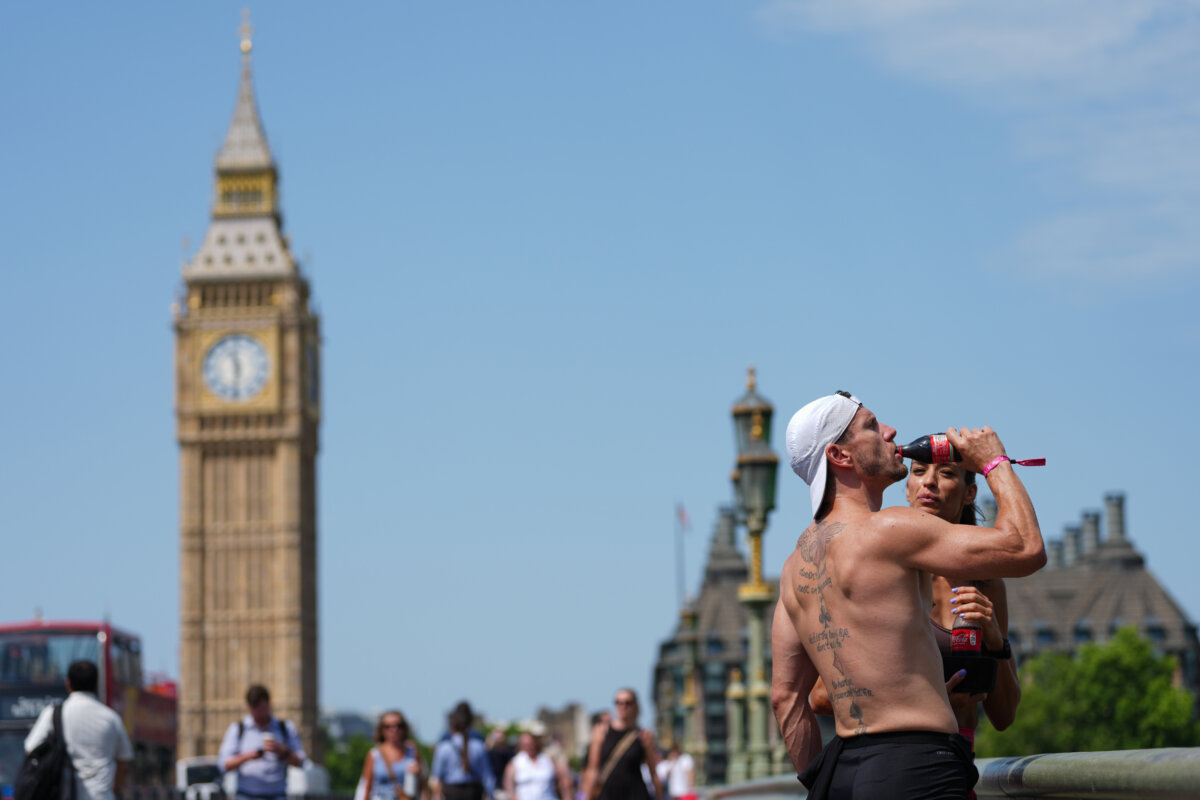
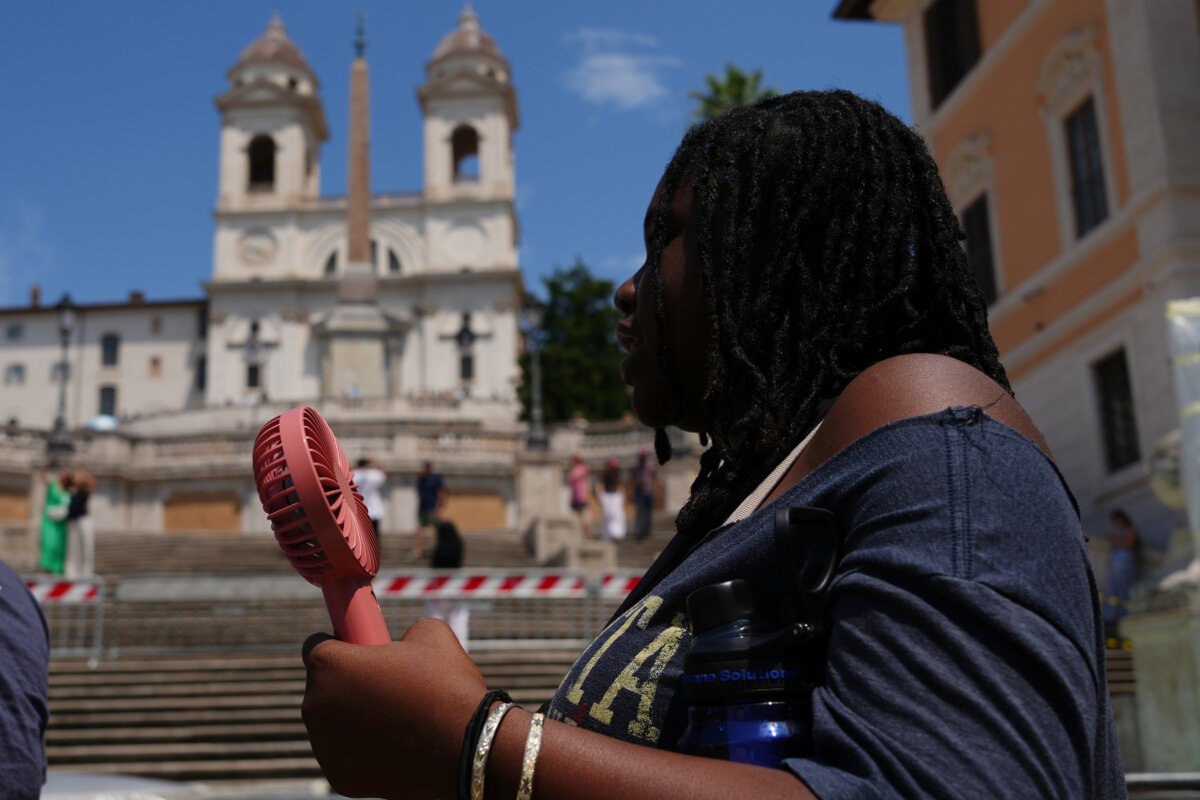
The hot weather that affected millions across Europe this week was caused by a weather phenomenon known as a heat dome.
The Climate Prediction Center of the U.S. National Oceanic and Atmospheric Administration (NOAA) stated that it expects minimum temperatures to be extreme over most of Europe while the heat dome parks itself in the region.
Heat domes happen when persistent high pressure traps heat over an area and lingers for days or weeks. The domes are typically linked to the jet stream—a band of high, fast-moving winds in wavelike patterns, according to NOAA.
Meteorologist Eddie Sheerr, of Newfoundland, said the heat dome was set to be over western Europe and parts of the UK for the next several days, sending temperatures soaring.
“Many areas of the UK and France are expected to challenge—and in some cases shatter—longstanding June temperature records as intense heat builds beneath the stagnant high-pressure system,” Sheerr said on social media.
France has been hit the hardest so far. Trains, concerts, and sporting events have been affected.
French authorities have also restricted public alcohol consumption. The police order, issued before a music festival, banned stronger alcoholic drinks from 8 a.m. on June 21 on stretches of a canal, and from 1 p.m. the same day on takeaway sales of alcohol.
Opening hours at the famous Louvre Museum in Paris have also been restricted; some exhibitions have closed and guided tours have been canceled because of the extreme heat.
The Eiffel Tower also closed early during the hot weather.
French state energy company EDF was also forced to shut down a reactor at the Golfech Nuclear Power Plant in the southern region of the country on June 22.
The closure was to prevent water in the Garonne River, which feeds the plant and cools the reactor, from exceeding an environmental limit of 82.4 degrees Fahrenheit.
EDF said in an X post that the shutdown wasn’t for “safety reasons” but was done to protect local flora and fauna.
 Friends Read Free
Copy
Facebook
Tweet
Friends Read Free
Copy
Facebook
Tweet