
Hamas has named Khalil Al-Hayya as its leader, according to a statement from the terrorist group on Monday.
Al-Hayya replaces Yahya Sinwar, who was killed in combat by Israeli forces in 2024 amid a two-year war with Israel in the Gaza Strip.
Al-Hayya, the group’s exiled Gaza chief and top negotiator, has become an increasingly central figure in the leadership of Hamas since the deaths of Sinwar, who had directed Hamas operations from within the territory, and Ismail Haniyeh, the previous political bureau chief who was killed in Iran in July 2024.
Israeli officials said that Al-Hayya was among those targeted in the 2025 Doha strike.
The two-year war that began in 2023 reshaped Hamas’s command structure through successive high-level deaths. The full-scale war in the Gaza Strip produced significant attrition among the group’s senior ranks. Sinwar’s death in combat created a vacancy at the top that the group addressed only after an internal process.
Al-Hayya’s selection comes after an extended period in which Hamas relied on a collective leadership arrangement after those losses. His background as Gaza’s exiled chief positioned him as a continuity figure familiar with both internal dynamics and external negotiations.
Al-Hayya has been deeply involved in the group’s political and negotiating efforts from his base in Qatar. As the exiled Gaza chief, he served as the primary figure in talks with international mediators throughout the conflict.
He had previously rejected partial ceasefire offers, underscoring Hamas’s insistence on full demands such as prisoner releases and Israeli withdrawal from Gaza.
The Israel–Hamas conflict erupted on Oct. 7, 2023, when Hamas terrorists launched a surprise attack on southern Israel, killing approximately 1,200 people and taking more than 250 hostage.
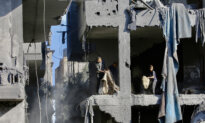
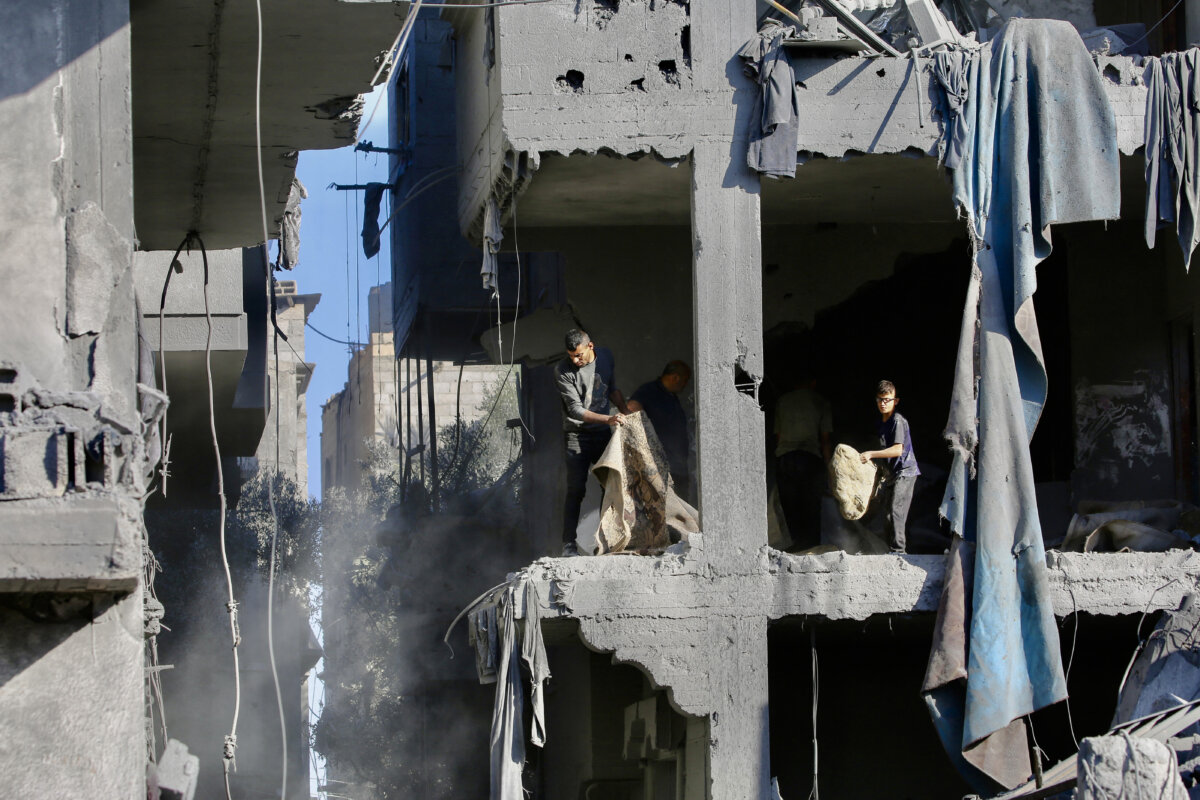
Israel responded with a major military campaign in the Gaza Strip aimed at destroying Hamas’s military infrastructure and leadership. The ensuing two-year war caused widespread destruction across Gaza, with health authorities in the territory reporting tens of thousands of Palestinian deaths and injuries.
Large parts of the enclave’s infrastructure, including homes, hospitals, and schools, were heavily damaged or destroyed, displacing most of the population.
International mediation efforts led by Qatar, Egypt, and the United States have focused on securing ceasefires and hostage releases. The talks have frequently stalled over fundamental issues such as the scope of Israeli withdrawal, prisoner exchanges, and long-term governance arrangements in Gaza.
U.S. President Donald Trump has made clear that any Hamas leadership must deliver on disarmament under his administration’s Gaza peace plan.
Reuters contributed to this report.
 Friends Read Free
Copy
Facebook
Tweet
Friends Read Free
Copy
Facebook
Tweet