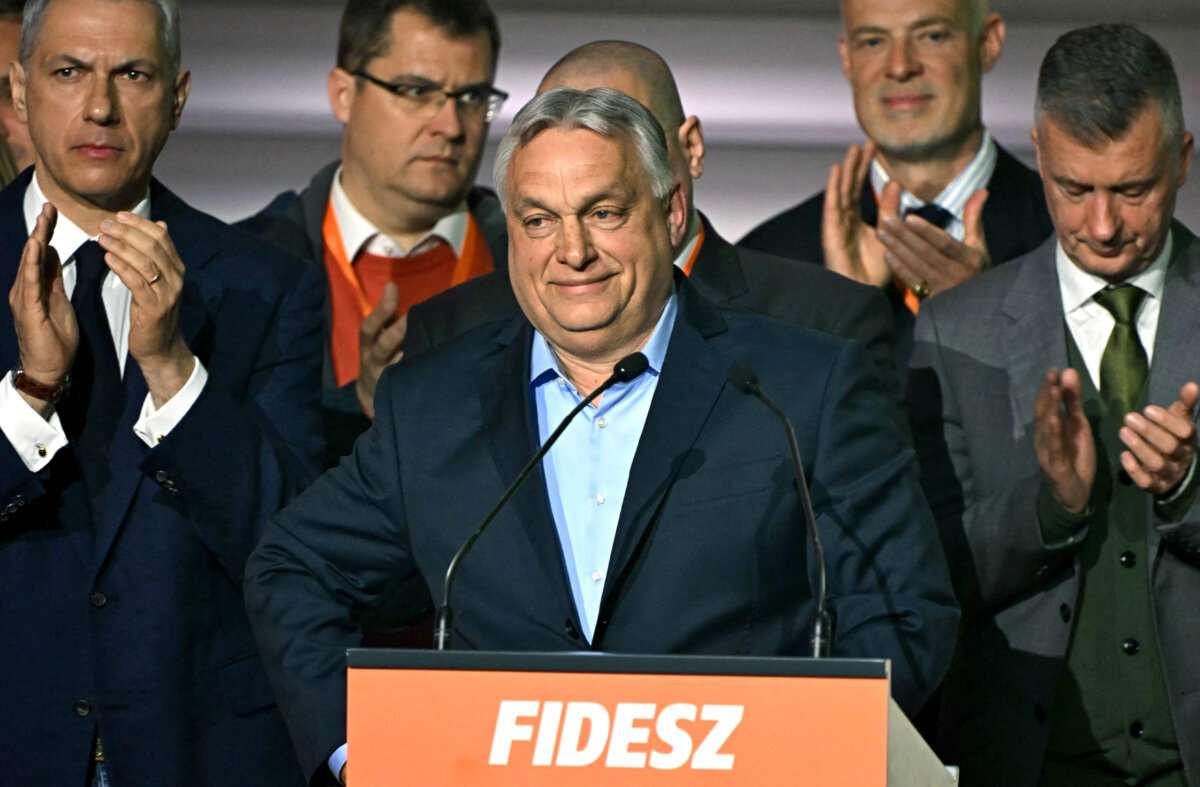

Hungary’s parliament approved a constitutional amendment on Monday limiting the time prime ministers can serve to eight years, effectively ending the prospect of a return for former leader Viktor Orban.
Prime Minister Peter Magyar defeated Orban in April’s election, removing the nationalist leader from office after 16 consecutive years, and immediately set about reversing some of his predecessor’s policies.
Magyar, 45, was previously a member of Orban’s Fidesz party before leaving to start his own movement and running his campaign on an anti-corruption and pro-European Union manifesto.
Magyar’s Tisza party secured a landslide two-thirds majority in parliament that allows him to roll back or change legislation passed by Orban, and alter the constitution.
What’s in the Amendment
The amendment states that anyone who has previously held the role of prime minister for at least eight years “cannot be elected prime minister,” and applies retroactively to any terms of office after May 2, 1990, effectively barring Orban from again running.
Prime ministers will have to leave office after a total of eight years, or two terms, similar to the 22nd Amendment in the United States that limits presidents to being elected to more than two terms in office.
Orban reacted in a brief Facebook post, writing in Hungarian, “They have passed the ‘Lex Orbán.’ That was the most pressing issue. If I am needed, I will be here.”
Hungarian MEP Laszlo Andras, a Fidesz member, wrote on X on June 15 that the amendment is “tailored to Viktor Orbán” and that liberal-leaning governments have excluded rivals with this method in other EU member states.
“Liberals preach democracy and apply legal means to exclude top challengers, instead of winning the argument and popular support.”
He stated that “lawfare” had been used against conservatives in France, Italy, Austria, Germany, Poland, and the Czech Republic.
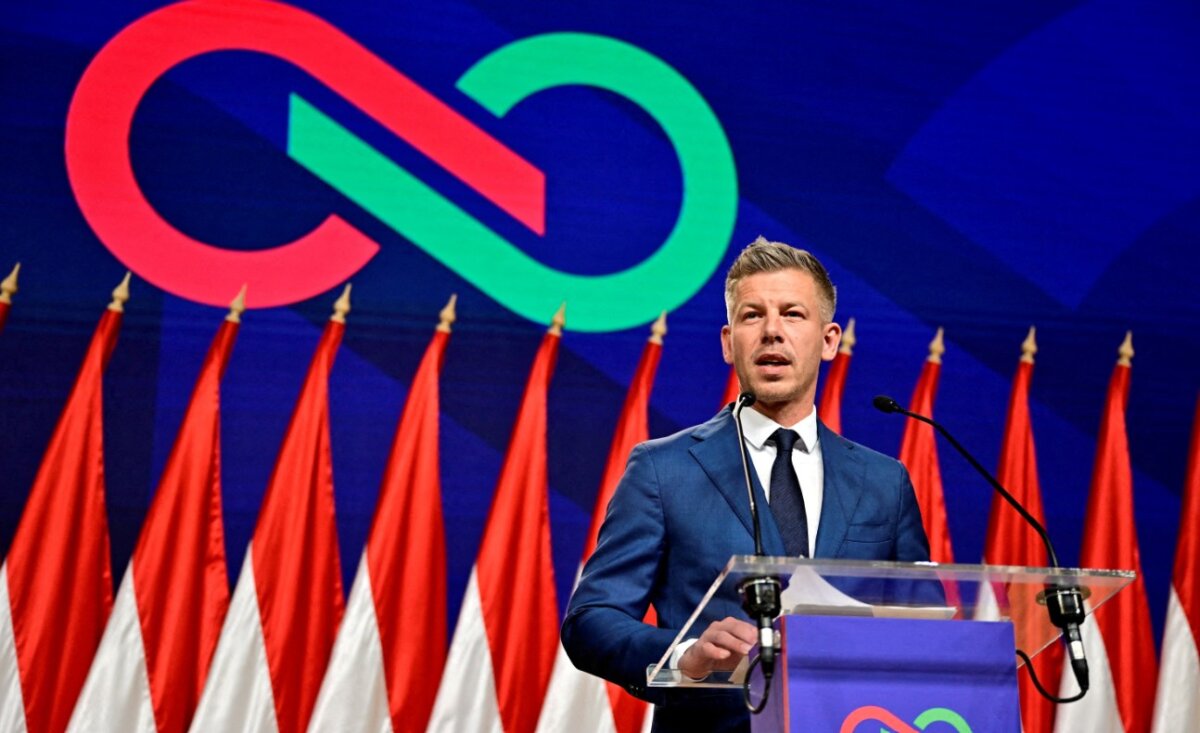
The amendment also paves the way for the dissolution of the Sovereignty Protection Office (SPO), set up by Orban’s government and tasked with defending the nation’s sovereignty against foreign influence.
Critics accused the SPO of branding opposition figures and journalists critical of Fidesz as serving “foreign interests.”
It has the power to gather information on groups or individuals that benefit from foreign funding and can influence public debate. Hungary’s intelligence community can assist with its investigations.
Orban’s government said the SPO was designed to prevent political parties from receiving foreign funding for election campaigns, as it said was done by a coalition of six opposition parties before a 2022 parliamentary election.
Anyone convicted of a violation by the SPO, established under the Sovereign Protection Act passed in 2023, can face a prison term of up to three years.
Opponents of the legislation have compared it to Russia’s “foreign agent” law and say it can be misused to arbitrarily target government critics.
The amendment also returns the founders’ rights of so-called public-interest asset-management foundations to the state. Orban’s government transferred state assets worth billions of dollars to these foundations.
Supporters say the foundations were designed to shield universities and other public institutions from short-term political interference and preserve a traditional vision of national Hungarian life.
Critics argue they allowed Fidesz to retain influence over important public assets even if it lost office. The new amendment reverses part of that model by returning key governance powers to the state, in line with EU requirements.
Magyar, a lawyer who formed Tisza in 2024 after spending years as an Orban loyalist, has pledged to do away with official corruption, which he says has robbed Hungarians of economic opportunity while enriching individuals and institutions close to his 63-year-old predecessor.
Adherence to EU
As soon as he took office, Magyar began signaling his willingness to adhere to EU policies on certain issues, after years of rocky relations between Brussels and Budapest.
In a sign of his intention to bring Hungary back to the heart of the EU, Magyar’s government began to fly the EU flag outside the parliament building shortly after he took office. Orbán’s government removed it in 2014.
Magyar also embarked on a diplomatic tour of EU member states, meeting with the leaders of Poland, Germany, and France, in a bridge-building exercise with the bloc.
Since Magyar began adhering to EU policies, Brussels has agreed to unlock 17 billion euros withheld from Hungary in response to Orban’s socially conservative agenda on issues including law and order, immigration, LGBT issues, and Ukraine.
Orban maintained friendly relations with Moscow throughout his time in power, frequently threatening to use Hungary’s veto to block EU sanctions packages against Russia over the Ukraine war.
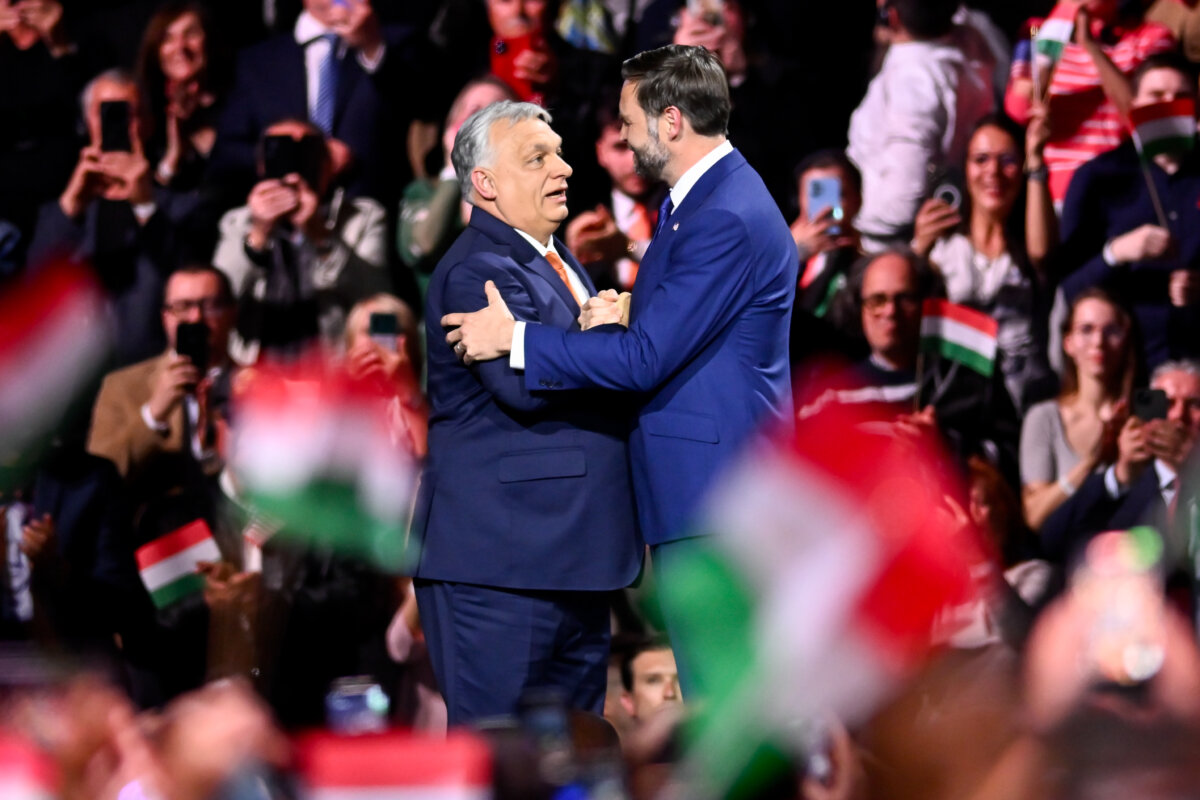
U.S. Vice President JD Vance visited Hungary in April to campaign on behalf of Orban, alleging there had been “disgraceful” interference by the EU against the long-serving leader, which Brussels denied.
Hungary amended its 1949 constitution in 1989, following the fall of communism, but did not replace it with an entirely new document—the Fundamental Law—until 2012.
Magyar said on June 1 that he would push for amending the constitution to remove the country’s president, Tamas Sulyok, whom he has accused of failing in his duties while Orban was prime minister.
Reuters contributed to this report.
 Friends Read Free
Copy
Facebook
Tweet
Friends Read Free
Copy
Facebook
Tweet