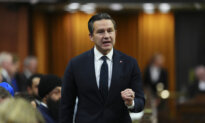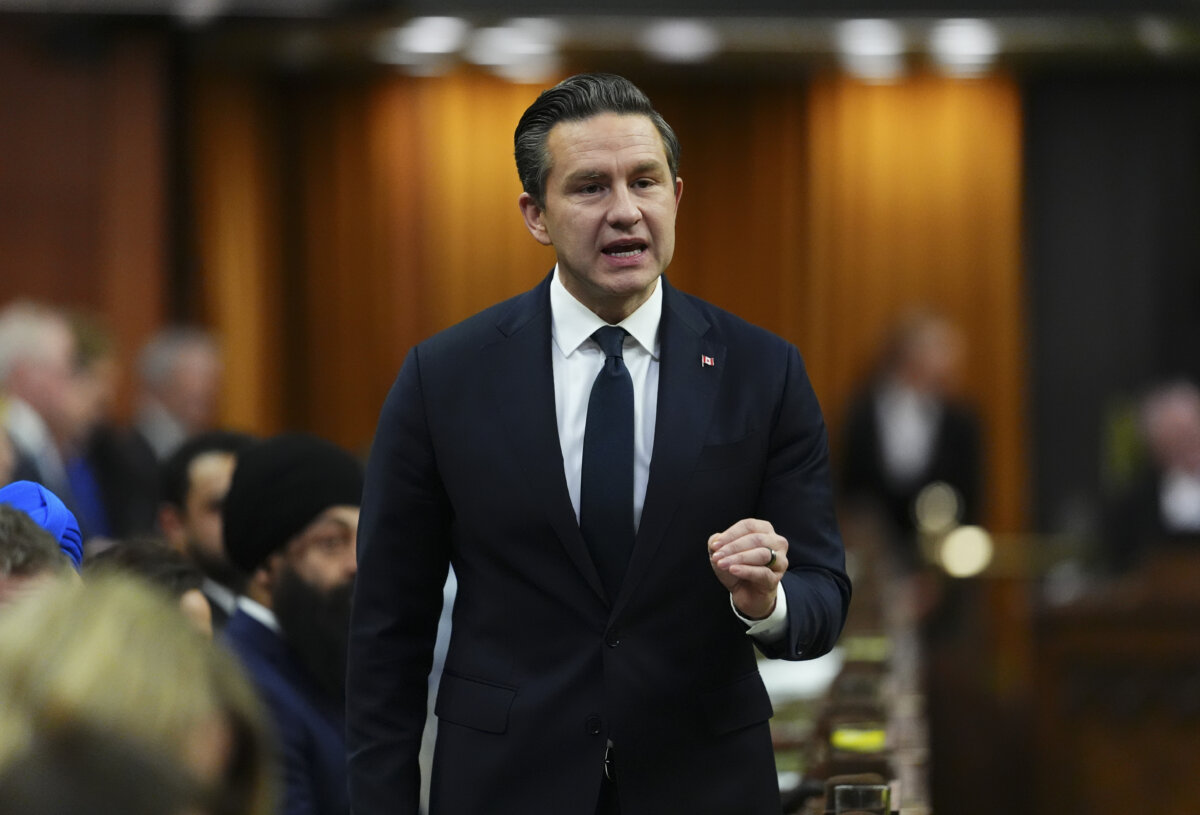
Conservative Leader Pierre Poilievre says Ottawa should use its $1 billion loan to BC Ferries for Chinese-made ships as leverage to get China to lift its agricultural tariffs, rather than relenting on EV tariffs.
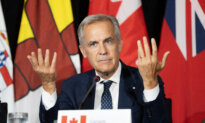
Prime Minister Mark Carney is currently on a trip to China until Jan. 17 where he is meeting with various officials including regime leader Xi Jinping and premier Li Qiang.
“The Liberals should tell Beijing they will cancel the $1 billion taxpayer-funded federal loan for Chinese made ferries if they keep tariffing our seafood, canola, peas, and agri-food products – and make it clear Beijing’s meddling in our democracy is unacceptable,” Poilievre posted Jan. 14 on X.
Canada applied 100 percent tariffs on Chinese electric vehicles (EVs) in October 2024 along with a 25 percent surtax on Chinese aluminum and steel, in a move it said was necessary to protect Canadian auto manufacturers from Chinese state-subsidized vehicles.
Beijing pushed back in March of last year with 100 percent tariffs on various Canadian agricultural products as well as seafood and pork, along with 75.8 percent duties on Canadian canola.
BC Ferries Loan
The $1 billion loan referenced by Poilievre was provided to BC Ferries by the taxpayer-funded Canada Infrastructure Bank (CIB) in March of last year to help on the construction of four new vessels for their fleet.
BC Ferries said in June that it had contracted state-owned China Merchants Industry Weihai Shipyards to build the four vessels, which led to parliamentary committee hearings and a federal review of the loan over concerns it could compromise Canadian security and undermine Canada’s domestic shipbuilding industry.
Housing Minister Gregor Robertson testified before the House of Commons transport committee that while he was “disappointed” BC Ferries had contracted a Chinese shipbuilder, Ottawa had no role in approving the loan and he wouldn’t “interfere” in the decisions of the CIB.
At this point, there is no publicly released final committee conclusion with agreed recommendations from the review, and no government official has said the loan will be cancelled.
Former Transport Minister Chrystia Freeland also testified before committee, saying she had asked all organizations, including ports, to make use of Canadian aluminum and steel in future purchases whenever possible.
MPs raised questions about when Transport Canada had known about BC Ferries contracting a Chinese shipyard, with emails revealing her ministry’s knowledge of the procurement plan in April, despite Freeland saying in June she was taken by surprise and “dismayed” about the news of a Chinese shipbuilder being awarded the contract.
The Conservatives have been critical of the decision, saying the contract shouldn’t have gone to China which has taken hostile stances against Canada.
Chinese Tariffs
In terms of China’s ongoing tariffs, Chinese ambassador to Canada Wang Di said last fall that Beijing will lift the tariffs if Canada removes the EV tariffs and levies on Chinese steel and aluminum. Saskatchewan and Manitoba premiers have asked Ottawa to end the EV tariffs to help their local agricultural industry. Ontario Premier Doug Ford, meanwhile, has urged Carney to keep the tariffs in place, saying that lifting them would put Canadian automakers at risk.
Poilievre said he agrees with Ford, reiterating past concerns about the potential for the EVs to be controllable or accessible by the Chinese regime.
“Any EVs that function like roving surveillance systems on our streets should not be allowed in Canada – collecting data, tracking Canadians and exposing us to a foreign regime is an unacceptable national security threat,” Poilievre said in his Jan. 14 post. “Canadian workers also shouldn’t be undercut by foreign-made EVs that displace made-in-Canada vehicles and threaten our auto jobs.”
Although no Chinese-brand EVs are sold in Canada, vehicles such as Tesla are made in China and widely available, with total import of Chinese-made EVs amounting to $2.3 billion in 2023.
Carney has not commented on the matter, but his government has stated that it is pursuing a “pragmatic” strategy of increasing engagement with China, despite several disagreements with Beijing including on the sovereignty of Taiwan.
On arrival in China, Carney said the Liberal government is ready to pursue a “new partnership” with Beijing.
“The relationship between Canada and China has created opportunities and prosperity on both sides of the Pacific. We’re ready to build a new partnership — one that builds on the best of our past, and responds to the challenges of today,” Carney posted on X Jan. 14.
Carney had previously spoken quite differently about China, saying in a federal leaders debate in April of last year that “I think the biggest security threat to Canada is China.”
China experts such as former diplomat and think tank scholar Charles Burton have cautioned against forming closer ties with Chinese industry, saying state-controlled companies and private enterprises are all controlled by the Chinese Communist Party and linked to its military.
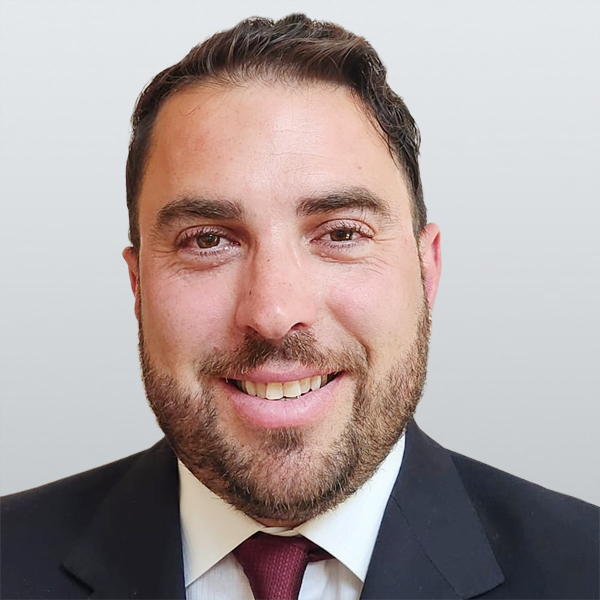
Matthew Horwood contributed to this report.
 Friends Read Free
Copy
Facebook
Tweet
Friends Read Free
Copy
Facebook
Tweet