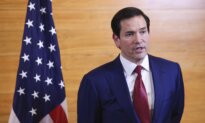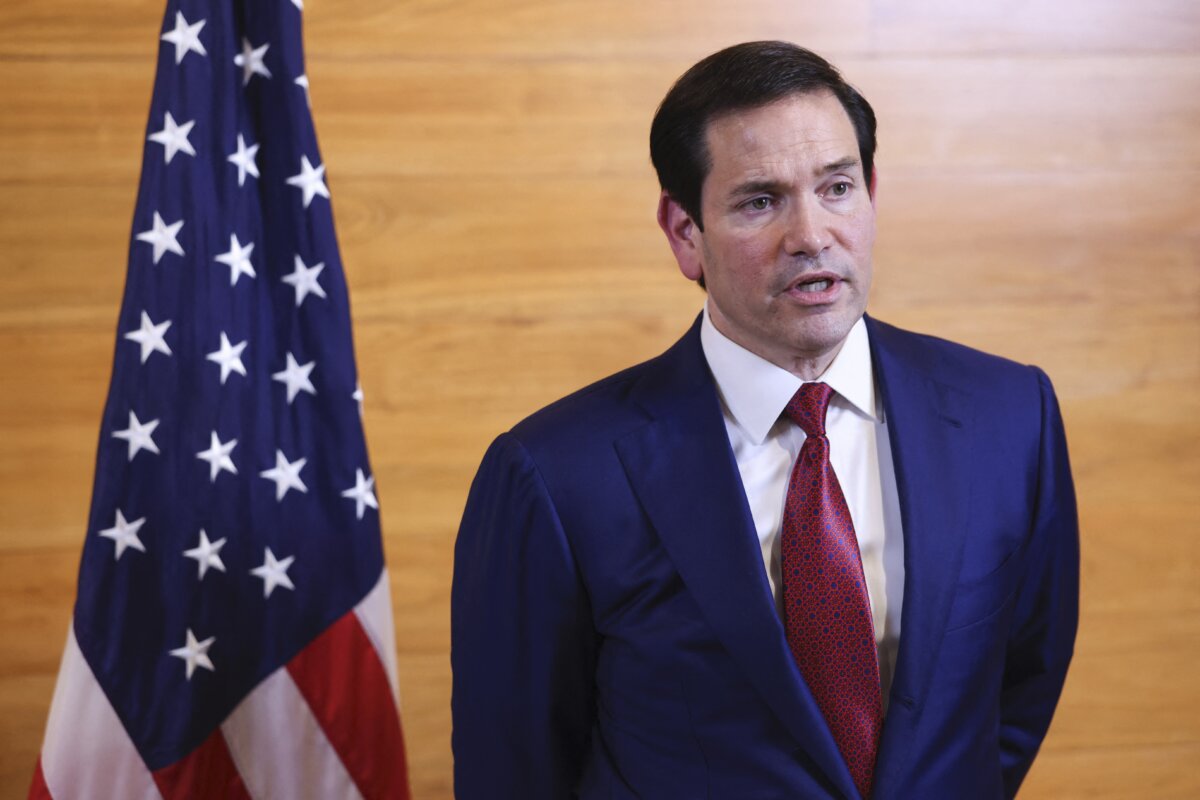
U.S. Secretary of State Marco Rubio met leaders of several Caribbean nations on Feb 25 and called for deeper cooperation on tackling the region’s gangs and cartels.
“We are interested in rebuilding and constructing a new dynamic in this Western Hemisphere in which we partner with all of you on the issues we share in common,” Rubio told a private meeting of CARICOM, an organization made up of 15 Caribbean nations.
During the meeting in Basseterre, capital city of St. Kitts and Nevis, he said Caribbean countries and the United States need to cooperate more to tackle heavily armed drug trafficking groups.
“We’ve also watched with alarm at the level of armament that these groups have,” Rubio said. “We recognize that many of these groups are buying weaponry from the United States and that we are committed and continue to work very hard with our law enforcement agencies to shut that down.”
In May 2025, Rubio designated two Haitian gangs, Viv Ansanm and Gran Grif, as foreign terrorist organizations. Last month, the U.S. State Department revoked the visas of two unidentified members of Haiti’s Transitional Presidential Council and their immediate families because of their alleged involvement in gangs.
Rubio told the CARICOM leaders, “I hope you have seen, both in the case of Haiti but in other dynamics, that we have not shied away, not just from designating groups for what they are—these are terroristic organizations—but even individuals who are responsible for being supportive of them.”
The American-led Caribbean Basin Security Initiative, launched in 2010, has sought to develop the capabilities of 13 nations in the region to “disrupt illicit trafficking and transnational crime,” according to a Feb. 25 factsheet from the U.S. State Department.
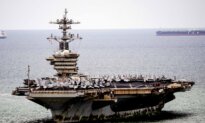
Rubio’s comments to CARICOM came two days after the United States struck a suspected drug boat in the Caribbean, killing at least three alleged narco-terrorists.
Starting in September 2025, the U.S. military launched strikes against suspected drug smuggling boats in the Caribbean Sea and the eastern Pacific Ocean. The Trump administration has stated that drug trafficking vessels pose a national security threat.
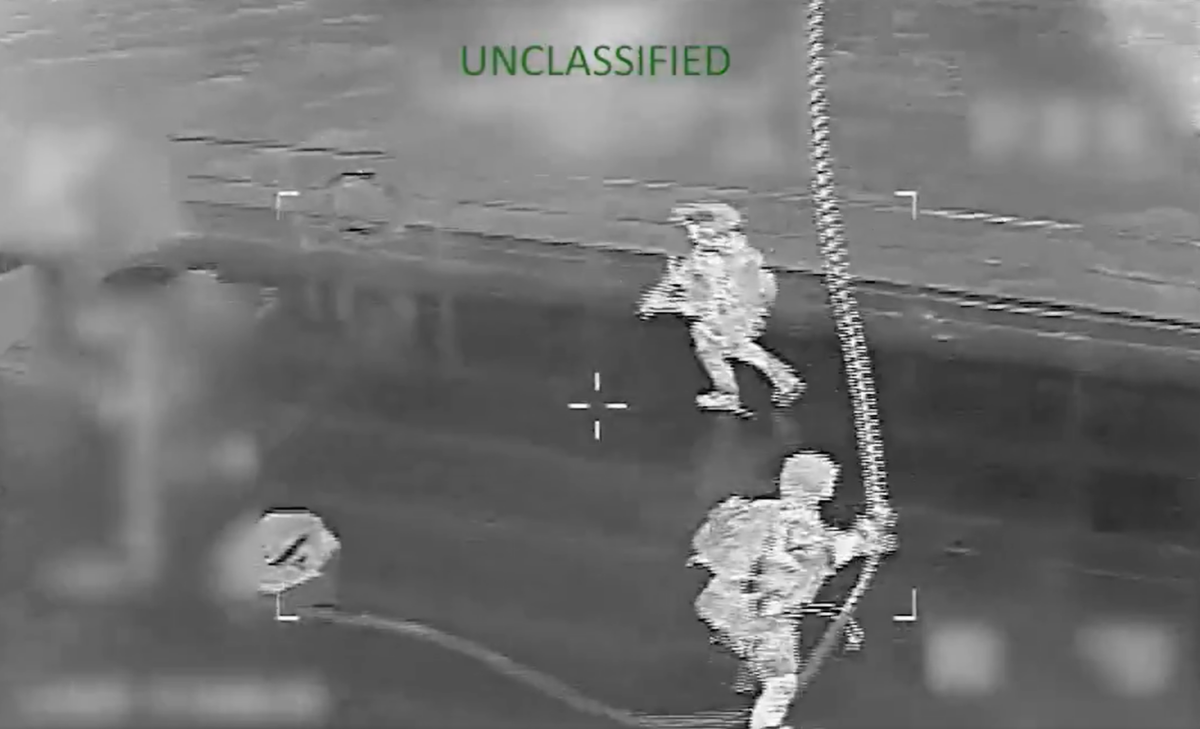
Boat Incident Is ‘Aggressive Provocation,’ Russia Says
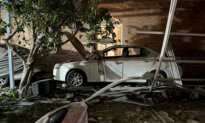
The Cuban Ministry of the Interior stated on Feb. 25 that people on board a boat from Florida entered Cuban waters and opened fire on a Cuban patrol before the patrol returned fire, killing four people and injuring six. The commander of the Cuban vessel was also injured, according to the ministry.
The incident happened roughly one nautical mile to the northeast of El Pino canal in Cayo Falcones, and the injured parties “were evacuated and received medical assistance,” according to a translation of Cuba’s statement.
Russian Foreign Ministry spokeswoman Maria Zakharova described the incident as “an aggressive provocation by the United States aimed at escalating the situation and detonating a conflict,” according to Russia’s state-owned news agency TASS.
Rubio told reporters that the Cuban regime had stated that the boat was registered in Florida and said that the United States was “tracking that down.”
“I’m not going to speculate. I’m not going to opine on what I don’t yet know. But we’re going to find out exactly what happened here, and then we’ll respond accordingly,” he said.
Last month, the Trump administration threatened to impose new tariffs against any country that sells oil to Cuba’s communist regime.
On Jan. 3, Venezuelan leader Nicolás Maduro, a long-time ally of the Cuban regime, was captured and taken to the United States by special forces, where he was arraigned on an indictment that accuses him of narco-trafficking in collusion with the Tren de Aragua cartel.
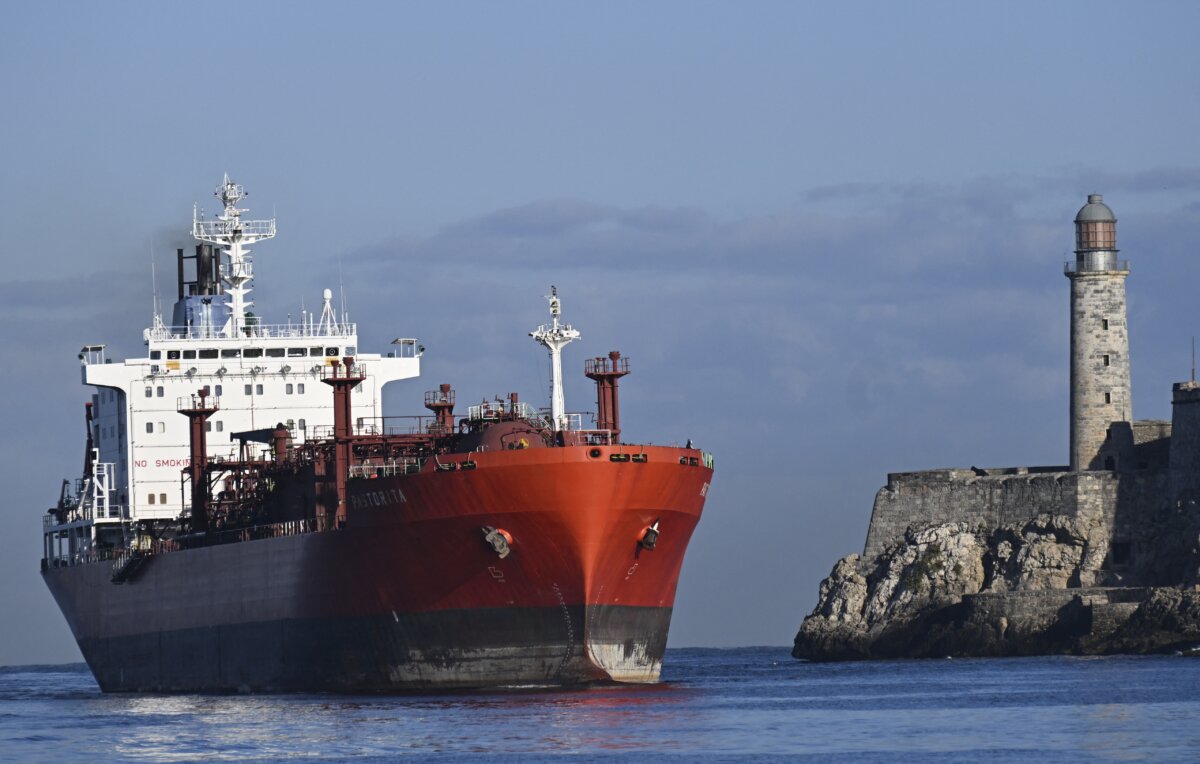
Maduro’s replacement, Delcy Rodríguez, has stopped oil and gas exports to Cuba, and the United States has put pressure on Mexico to stop supplying Havana.
Last year, Venezuela was Cuba’s largest oil supplier, providing the Caribbean nation with 26,500 barrels per day, roughly one-third of Cuba’s daily needs. Mexico came in second, with 5,000 barrels per day.
Rubio told reporters on Feb. 25 that Venezuela was free to sell oil to private companies in Cuba, just not the regime-controlled Grupo de Administración Empresarial S.A.
Rubio: Regime Responsible For Suffering
Rubio said that while he accepted that the Cuban people were suffering, “it is the authorities there in that government who are responsible for that.”
He also praised the Venezuelan interim leader but said there still needed to be fair and democratic elections.
“I will tell you this without any apology or without any apprehension: Venezuela is better off today than it was eight weeks ago,” Rubio said. “The new interim authorities, led by Delcy Rodríguez, have done things that eight or nine weeks ago would have been unimaginable. They have released political prisoners; they have closed Helicoide, which is their most infamous prison of all.”
While Trump has stopped short of explicitly calling for regime change in Havana, he said last month that the actions of the Cuban regime represent an “unusual and extraordinary threat” to U.S. national security.
Cuba is not a member of CARICOM but maintains cordial ties with the organization.
The meeting’s host, Saint Kitts and Nevis Prime Minister Terrance Drew, said CARICOM should be a conduit for dialogue over Cuba’s future.
“A destabilized Cuba will destabilize all of us,” Drew said.
Before the meeting with Rubio, Jamaican Prime Minister Andrew Holness appealed for a collective response to the crisis in Cuba.
“Humanitarian suffering serves no one. Apart from our fraternal care and solidarity with the Cuban people, it must be clear that a prolonged crisis in Cuba will not remain confined to Cuba,” Holness said Feb. 24. “It will affect migration, security and economic security across the Caribbean basin.”
He called for “constructive dialogue between Cuba and the United States aimed at de-escalation, reform, and stability.”
Reuters contributed to this report.
 Friends Read Free
Copy
Facebook
Tweet
Friends Read Free
Copy
Facebook
Tweet