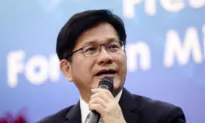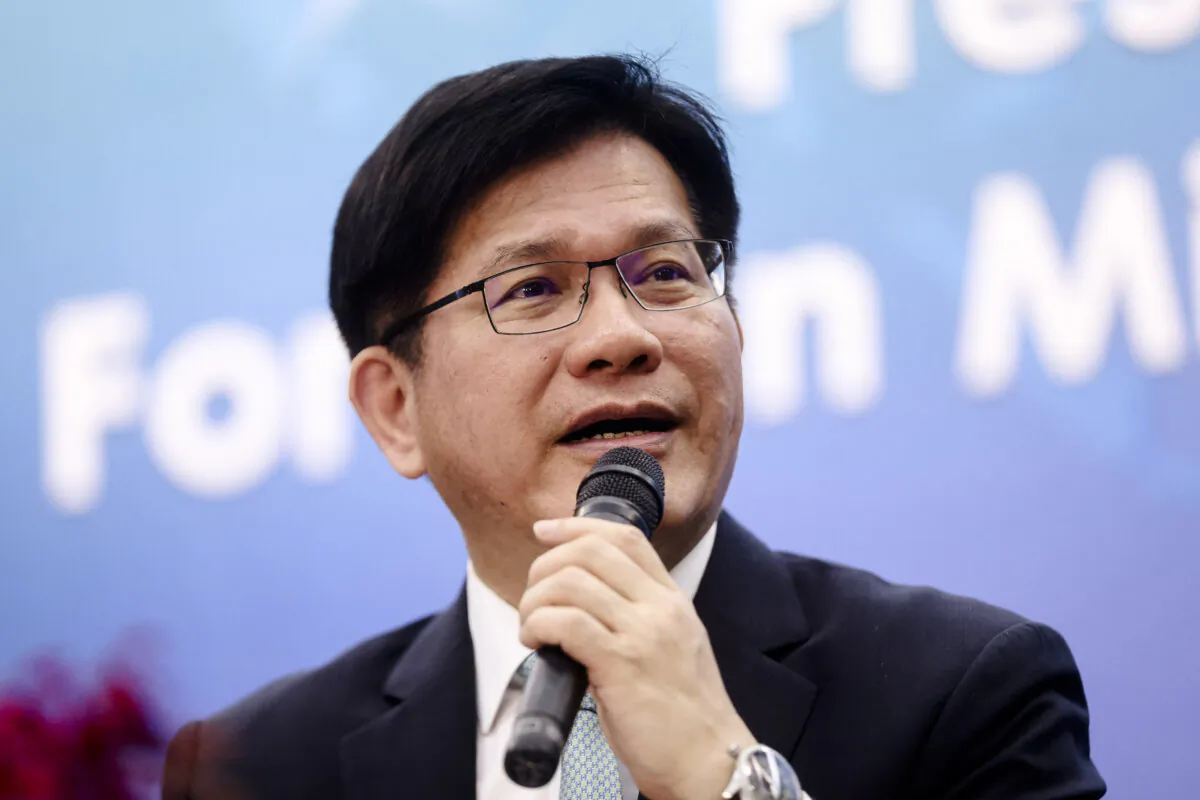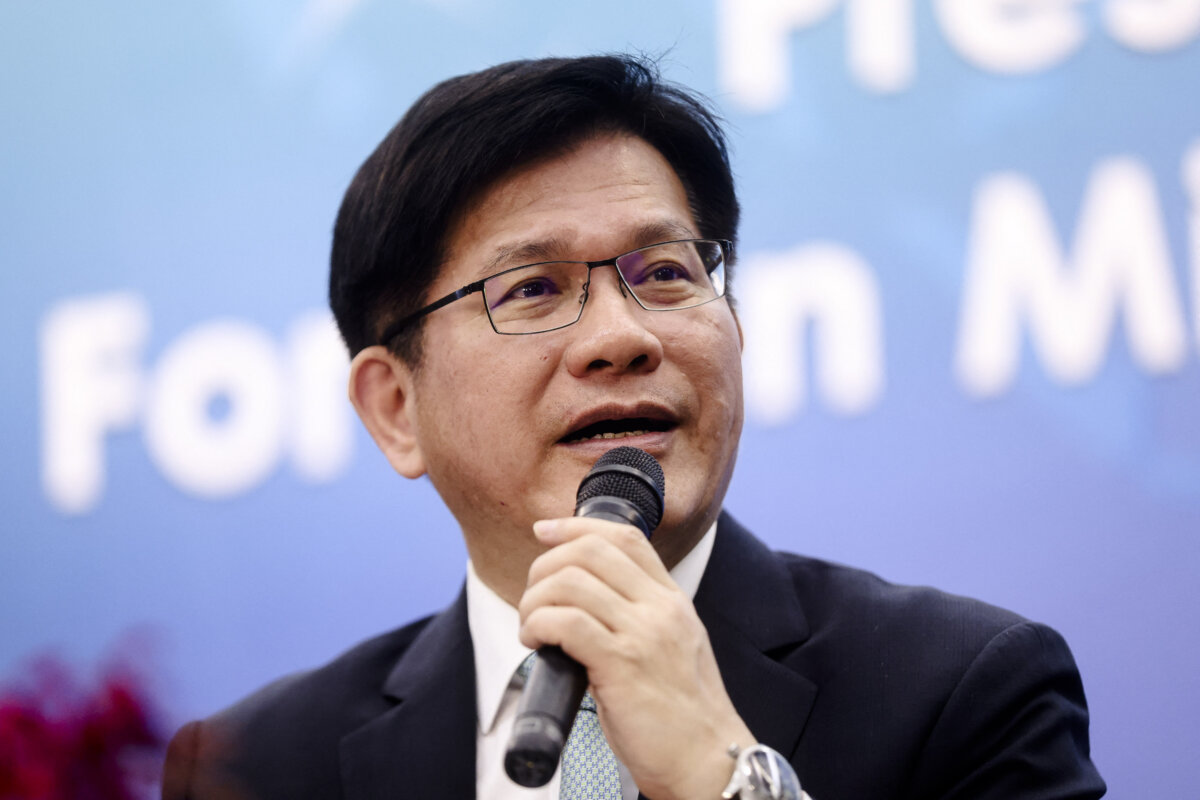
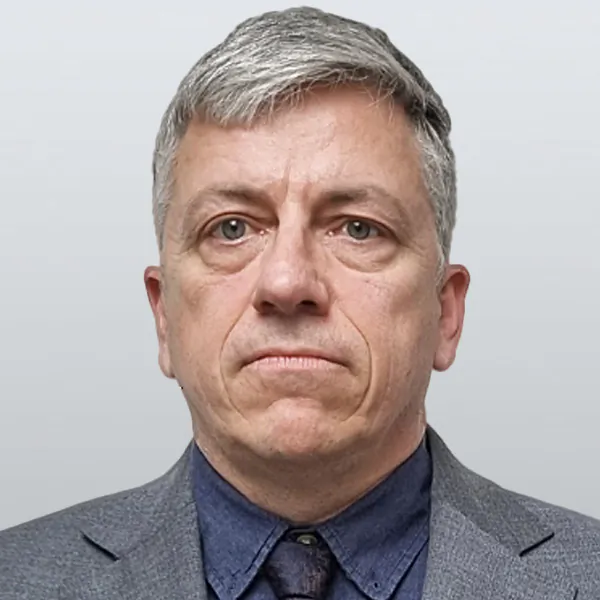
Taiwanese Foreign Minister Lin Chia-lung said it would be a positive step if U.S. President Donald Trump spoke with Taiwanese President Lai Ching-te, but said that it was up to Trump to take the initiative.
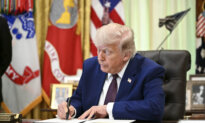
Trump told reporters on May 20 that he intended to speak with Lai, but no sitting U.S. president has spoken directly to a Taiwanese leader since 1979, when U.S. President Jimmy Carter ended diplomatic recognition of the island, formally known as the Republic of China, and switched to recognizing the regime in Beijing.
“If there were a phone call between the heads of state of the United States and Taiwan, I think we would view that very positively,” Lin said while taking questions from lawmakers in the Taiwanese parliament on May 25.
“I believe the president’s side is well prepared,” he said, referring to Lai. “But of course, this also depends on President Trump and how he might proactively bring it about.”
Trump: ‘I’ll Speak to Him’
“I’ll speak to him,” Trump told reporters at Joint Base Andrews in Maryland before boarding Air Force One on May 20. “I speak to everybody. … We’ll work on that, the Taiwan problem.”
Trump said during his summit with Chinese leader Xi Jinping on May 15 that Taiwan was a major topic of discussion and noted that he had not decided whether to proceed with an $11.1 billion weapons package approved by Washington in December 2025, the largest ever proposed for the island democracy.
Taiwanese Defense Minister Wellington Koo said on May 19 that he was “cautiously optimistic” that the arms deal would be approved by Trump.
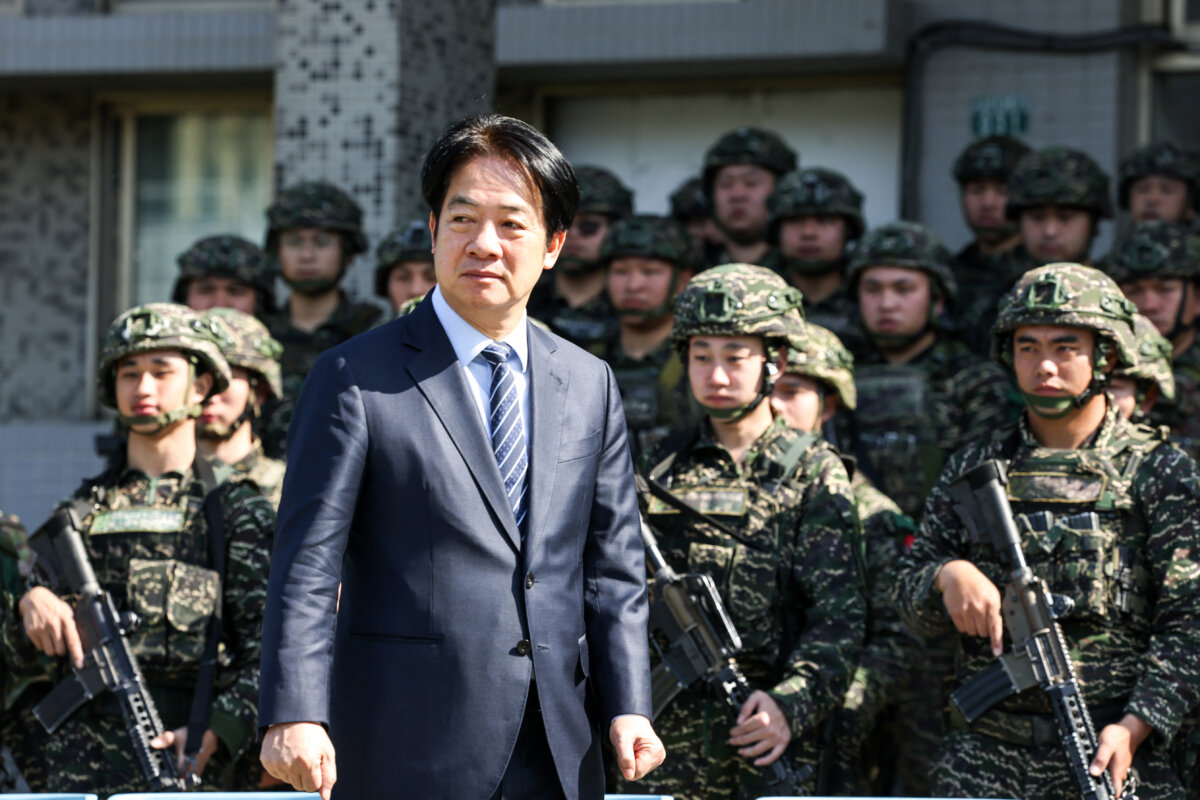
On May 21, acting Navy Secretary Hung Cao said during a pause in a Senate Appropriations Defense Subcommittee hearing that the United States had paused a separate $14 billion arms sale to Taiwan to ensure that it has enough munitions for its military operations against Iran.
No Plans for Bilateral Talks
Lin told the Taiwanese parliament that there were no plans for bilateral talks with the United States at this point.
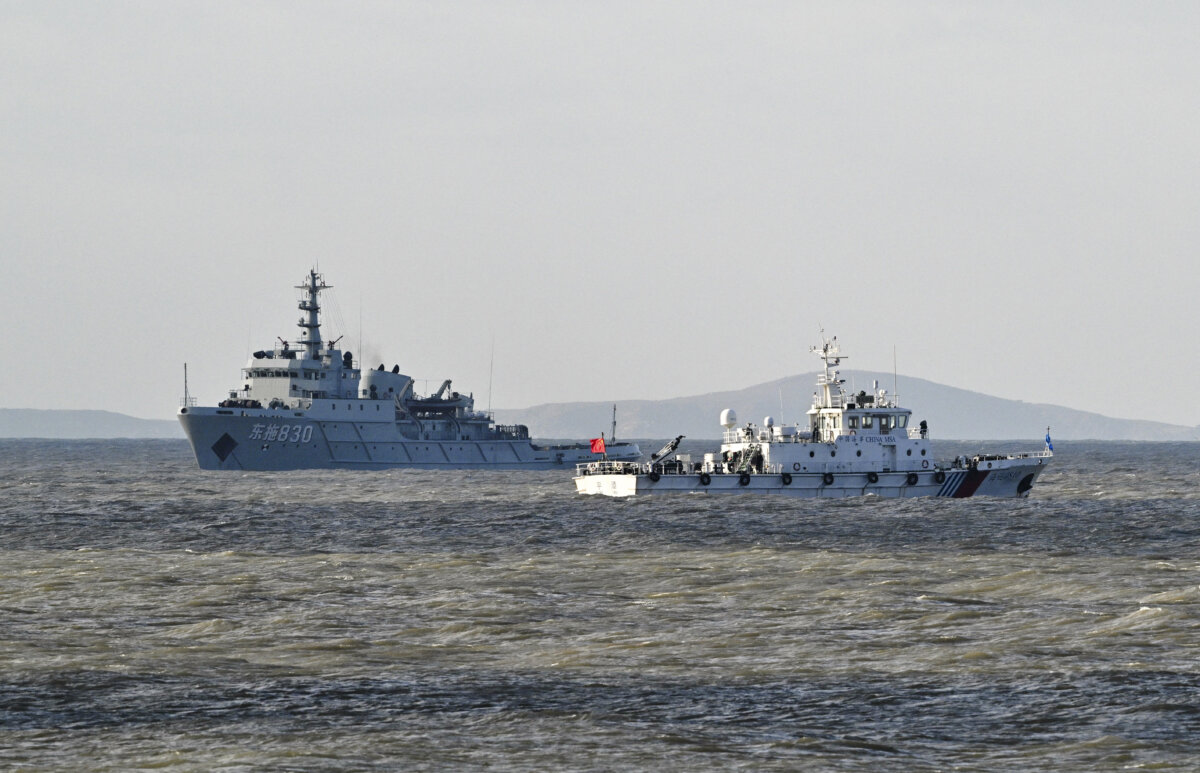
Joseph Wu, secretary-general of the Taiwanese National Security Council, wrote in a May 23 post on X that Taiwan’s intelligence, surveillance, and reconnaissance showed that China had deployed more than 100 vessels “around the 1st Island Chain” over the previous few days.
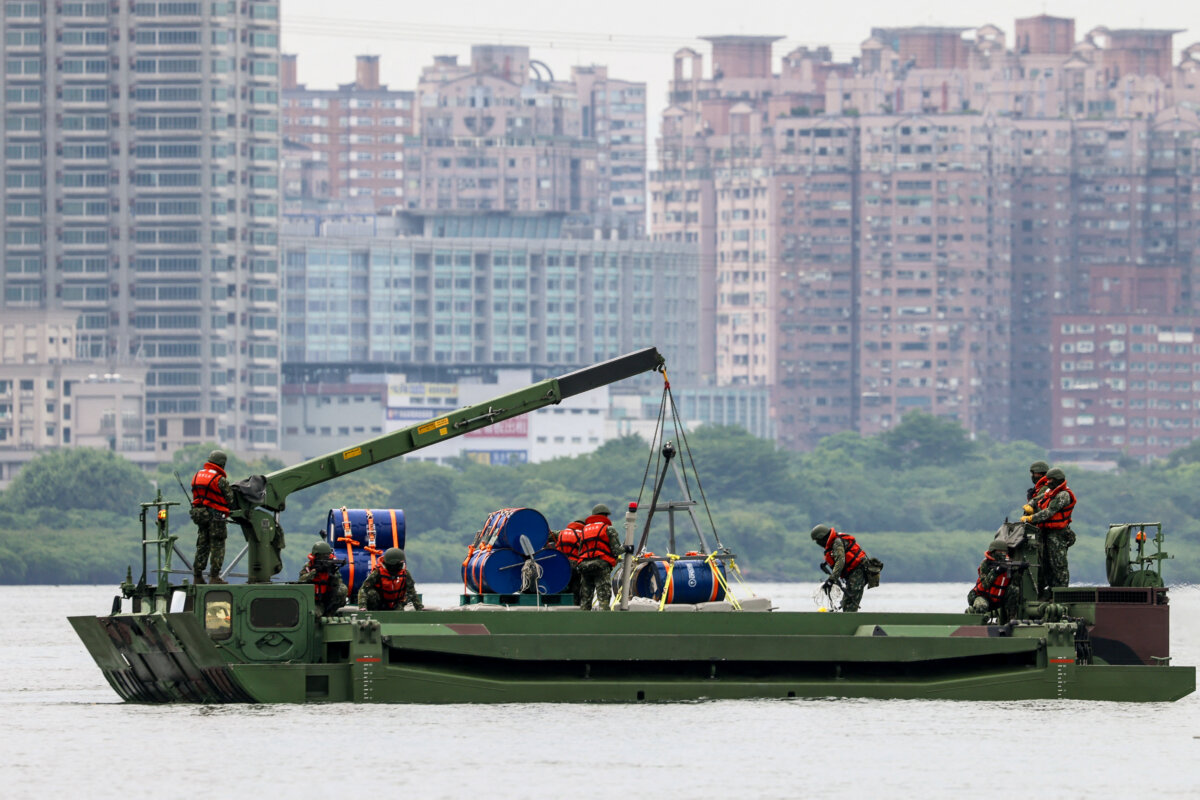
He said the deployment came just days after the Trump–Xi summit in Beijing, and he accused China of “wrecking the status quo” in the region.
Lai said last week that if he spoke to Trump, he would point out that China does not have the right to “annex” the island, which considers itself a sovereign nation in all but name.
Lai said in a May 17 post on Facebook that Taiwan is a sovereign democratic country with no “Taiwan independence” issue.
“Adhering to the fact that the Republic of China (ROC) and the People’s Republic of China (PRC) are not subordinate to each other, and insisting that sovereignty cannot be violated or annexed … is the greatest consensus among all Taiwanese people,” Lai wrote, according to a translation.
Taiwan has functioned as a de facto separate nation from the communist People’s Republic of China since 1949, when Mao Zedong’s army defeated the forces of the U.S.-backed Kuomintang (KMT), led by Chiang Kai-shek.
The CCP in Beijing has maintained what it calls a “One China” policy. In recent years, Xi has led an increasingly aggressive line toward Taiwan and has indicated that he would invade if the island ever declared independence.
“Taiwan independence is the chief culprit in undermining peace in the Taiwan Strait—we will absolutely not tolerate or condone it,” Xi said on April 10.
Both Taipei and Washington have stated that U.S. policy on Taiwan remains unchanged after the Trump–Xi summit earlier this month.
Reuters contributed to this report.
 Friends Read Free
Copy
Facebook
Tweet
Friends Read Free
Copy
Facebook
Tweet