
The United States has reaffirmed its commitment to defending Japan using the full range of U.S. military capabilities “including nuclear,” citing China’s “dramatic and opaque nuclear weapons buildup” and other threats in the region.
The pledge was made in a June 9 joint statement issued by the U.S. and Japanese governments, following Tokyo’s hosting of American officials during the Extended Deterrence Dialogue, in which Japan also reiterated its support for U.S. forces and operations to maintain peace.
Held at the Ministry of Foreign Affairs in Tokyo between June 8 and 9, the meeting delegates included members of the U.S. Department of State, U.S. Department of War, and the U.S. Indo-Pacific Command, and from the Japanese side, the Ministry of Foreign Affairs, Ministry of Defense, and the Japan Joint Staff.
They committed to continue discussion on strengthening interoperability and coordination, with Japan encouraging the United States to pursue multilateral talks to “help avert a nuclear arms race, address concerns about nuclear testing, reduce nuclear risks, and bolster transparency, including through arms control dialogues with China and Russia,” the governments said in the joint statement.
“Both delegations discussed China’s dramatic and opaque nuclear weapons buildup and rejected Russia’s notion that the [Democratic People’s Republic of Korea’s] pursuit of nuclear weapons was a closed issue. They reaffirmed their commitment to the complete denuclearization of the DPRK.”
The DPRK is North Korea’s official name.
US–Japan Alliance
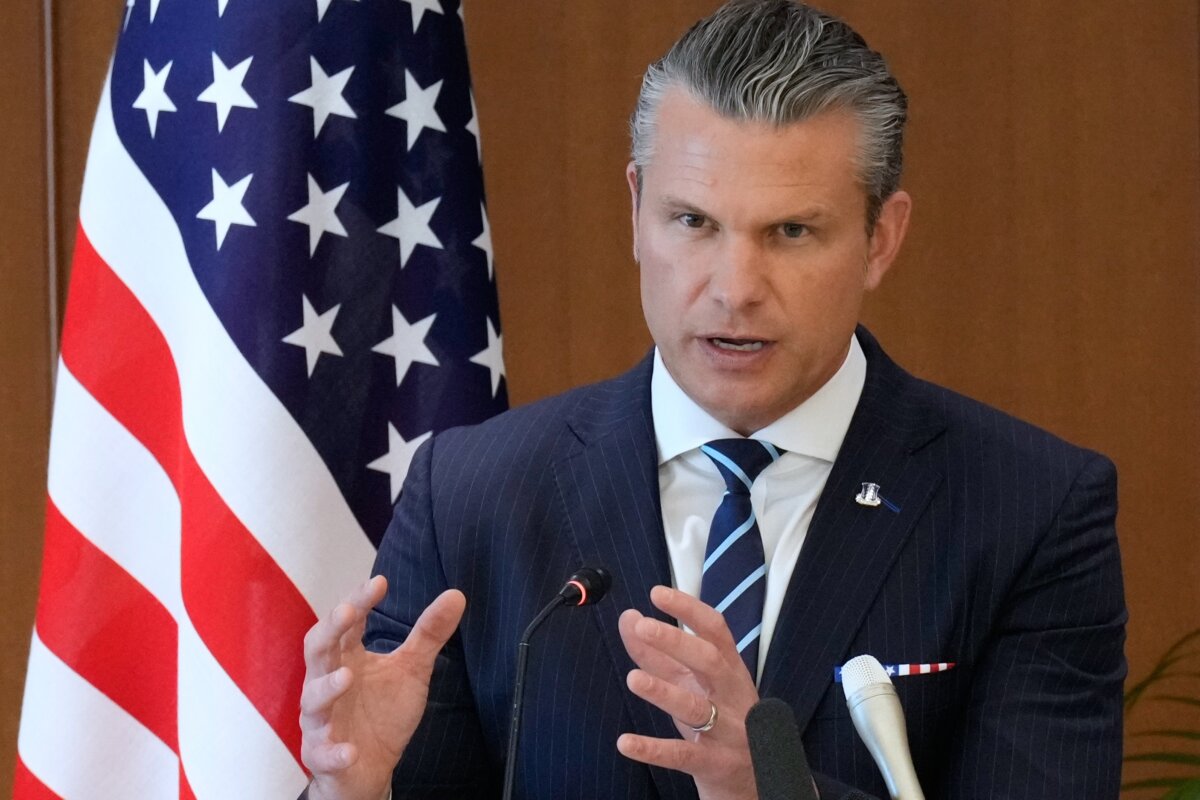
Last month, Secretary of War Pete Hegseth met with his Japanese counterpart Shinjiro Koizumi on the sidelines of the Shangri-La Dialogue in Singapore, where the two “reaffirmed the critical role of the U.S.–Japan alliance in preserving peace in the Indo-Pacific,” according to a May 30 readout of the meeting released by the U.S. Department of War.
Hegseth and Koizumi also endorsed the upcoming temporary deployment of U.S. ground-based missile capabilities to a Japan Self-Defense Forces base, the readout states, and committed to advancing their joint presence in the Southwest Islands.
Hegseth also “welcomed Japan’s recent defense export policy changes that will strengthen its defense industrial base, and both leaders committed to continuing cooperation on defense industrial base matters, including on critical global munitions requirements,” according to the readout.
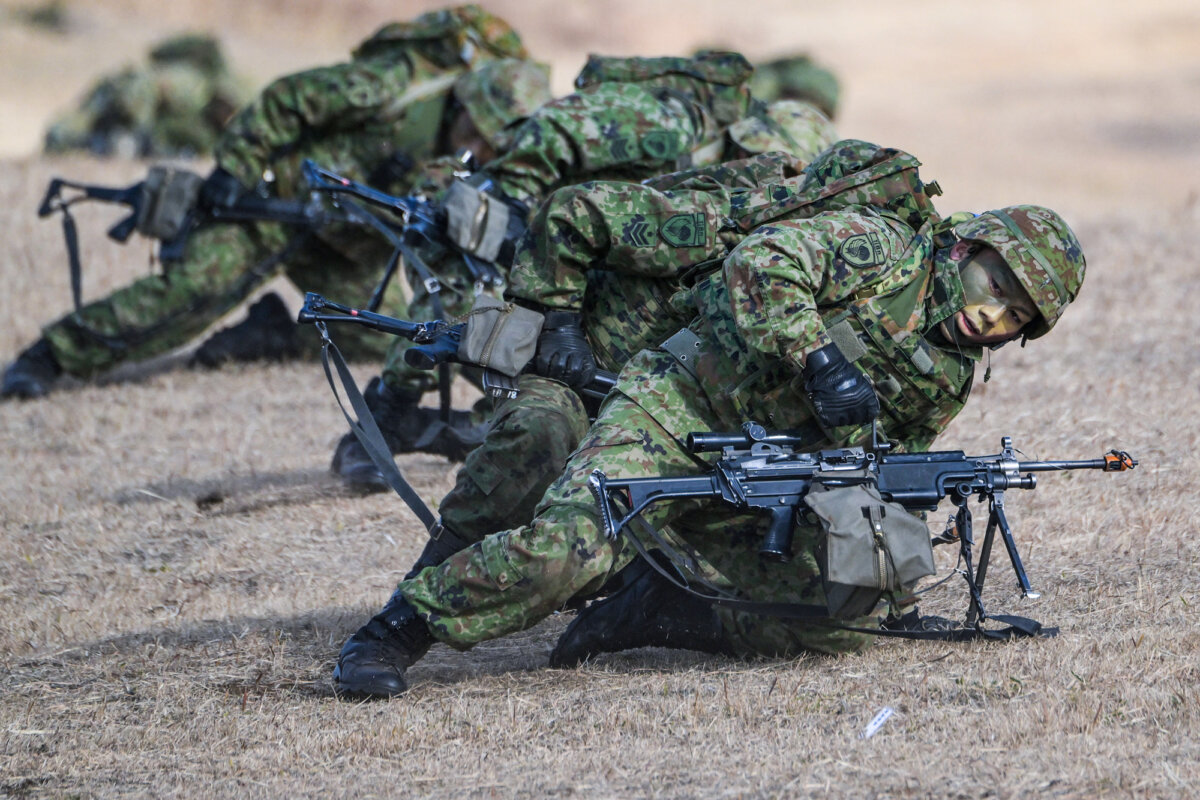
On April 21, Japan formally endorsed scrapping a long-standing ban on lethal weapons exports, a historic shift in its postwar security policy.
The latest revisions to the country’s rules on military activity and arms exports allow exports of advanced systems such as fighter jets and naval vessels, though with restrictions.
“Until now, overseas transfers of domestically produced finished products were limited to rescue, transport, warning, surveillance, and minesweeping,” Japanese Prime Minister Sanae Takaichi said in an April 21 post on X. “With this revision, transfers of, in principle, all defense equipment will now be possible.”
Takaichi framed the revision as both pragmatic and defensive.
“As the security environment grows more severe, no country can any longer protect its own peace and security on its own; countries need partner nations that can support one another in defense equipment as well,” she said.
Japan–China Tensions
Under the leadership of Takaichi, Japan has begun to move away from its postwar pacifist policy, with the country’s arms build-up coming amid increased aggression from the Chinese communist regime in the East China Sea.
Last month, China’s Ministry of Foreign Affairs called on nations in the Asia-Pacific to be vigilant and resist actions of Japan’s “neo-militarism.”
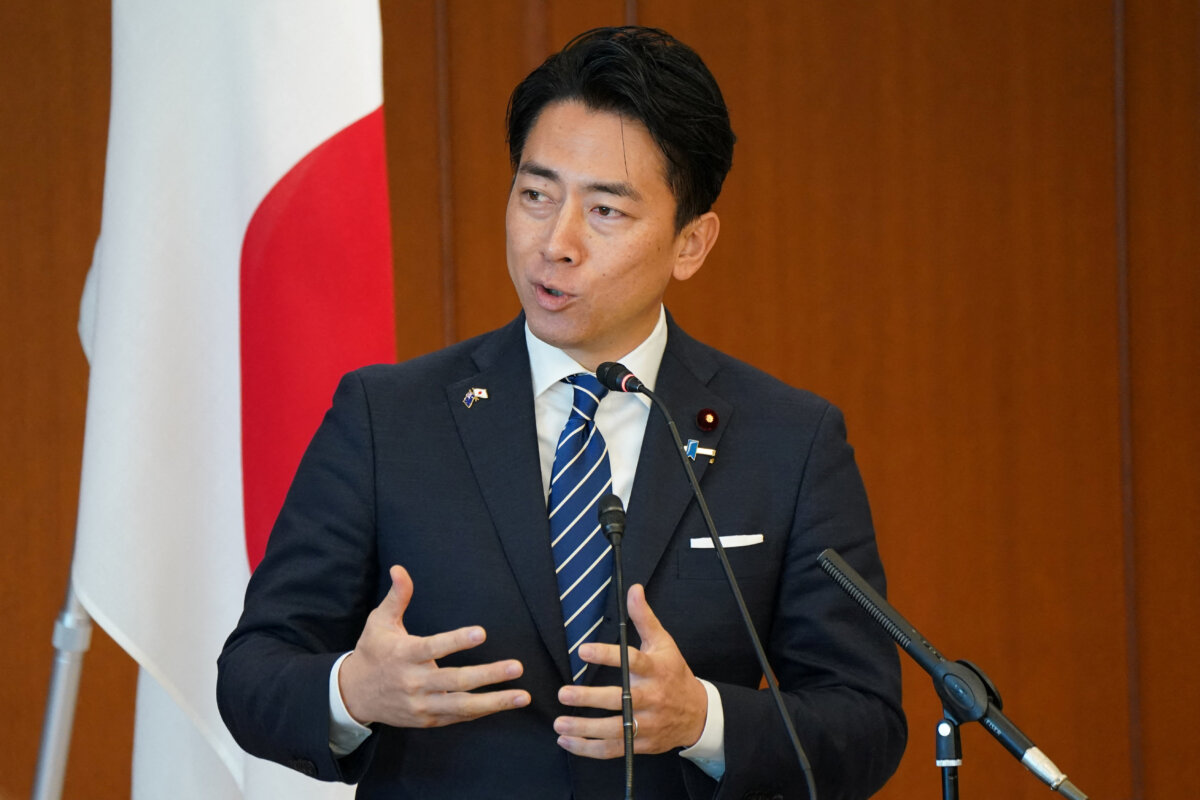
Japan has rejected such remarks, with Koizumi criticizing Beijing for expanding its military with little transparency.
“China’s external approach and military activities are matters of serious concern for Japan and the international community at the same time,” Koizumi said during a speech at the Shangri-La Dialogue on May 31. “Think about it. There’s a country that has a huge arsenal of nuclear weapons and strategic bombers. Japan has neither of such weapons, and yet Japan is labeled ‘new militarism’?”
Koizumi said that since World War II, Tokyo has adhered to international law and is committed to the U.N. Charter.
Relations between Tokyo and Beijing have also been strained after Takaichi said in November that an attack on Taiwan could constitute an “existential threat” to Japan that would prompt a military response.
Evgenia Filimianova contributed to this report.
 Friends Read Free
Copy
Facebook
Tweet
Friends Read Free
Copy
Facebook
Tweet