
In-Depth
It was a court ruling heard across the country. In August, the B.C. Supreme Court found that the Cowichan Nation has aboriginal title claim to more than 700 acres of land in Richmond. As controversy heats up and court battles mount, you might be wondering what it all means—and if your own private property might be at risk.
The precedent set in this case is already causing major implications for all private property—whether you own a small condo, a shopping mall, a restaurant, or a 20,000-acre ranch. Before we get into that, a quick primer on what aboriginal title is will help clarify this complex situation.
In 1763, King George III issued the Royal Proclamation officially claiming large swathes of North America after Britain won the Seven Years’ War. The document acknowledges aboriginal title by saying land belonging to the “Nations or Tribes of Indians” must be bought by the Crown and then sold to settlers rather than taken in a free-for-all.
The proclamation basically mandated that the settlement of North America must be calm and orderly—a very British document.
Fast-forward 200 years to 1973. In the Calder case, the Supreme Court of Canada recognized for the first time that aboriginal title is an inherent right to the land, rather than a favour bestowed by the Crown.
Fast-forward 10 more years, and aboriginal title was protected in the 1982 Constitution Act, a protection which was reaffirmed by the Supreme Court of Canada in 1997 in the Delgamuukw case—which also laid out that First Nations oral history can be used to prove aboriginal title.
In the landmark Tsilhqotʼin decision in 2014, the Supreme Court of Canada drew on all of this legal precedent to recognize the aboriginal title of the Tsilhqotʼin Nation to a vast swathe of land in the B.C. Interior—over 1,700 square kilometres.
If Tsilhqotʼin aboriginal title to more than 1,700 square kilometres was recognized by a court in 2014, why is the recognition of Cowichan title to a mere 700 acres in 2025 generating orders of magnitude more controversy? The answer is simple: location.
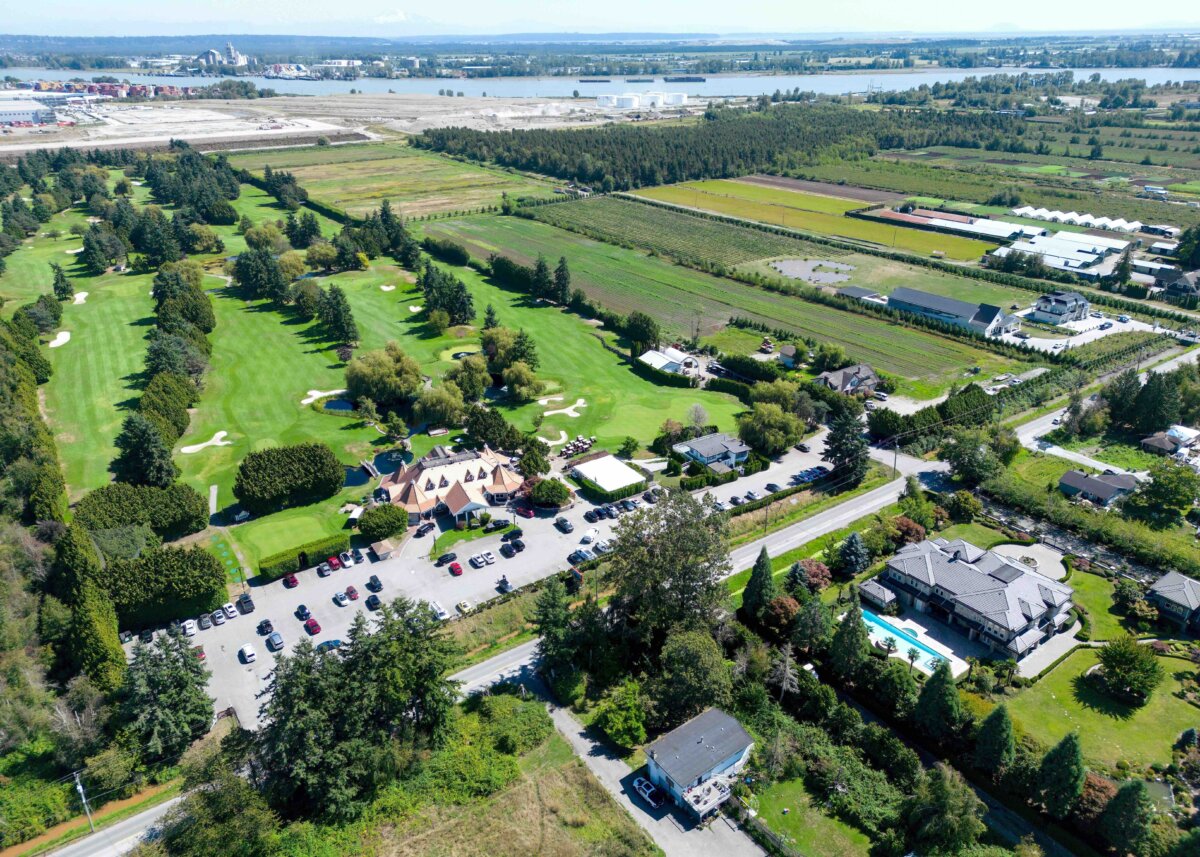
Whereas the Tsilhqotʼin title area is in B.C.’s remote central interior (for those who know B.C., it’s near Williams Lake), the Cowichan title is smack dab in the middle of Richmond, a city of more than 241,000 residents right next to Vancouver.
What happens when you recognize aboriginal title over a city? As we’re witnessing now in Richmond, chaos and uncertainty.
That 700-acre slice covers City of Richmond land and Crown land, but most controversially, it also includes private land in the form of farms, houses, and even a golf course.
In an Oct. 27 press release, Cowichan Nation said the court ruling “does not erase private property.”
While the court ruling certainly does not “erase private property” immediately, it has already introduced uncertainty, according to the municipality of Richmond, city residents, and real estate insiders.
“The stability of British Columbia’s real estate market is built on one principle above all others: trust,” B.C. Real Estate Association CEO Trevor Koot previously told The Epoch Times. “Today, that trust is being questioned.”
In Cowichan Tribes v. Canada, Justice Barbara Young found that the titles on land owned by the Crown and the City of Richmond are “defective and invalid.”
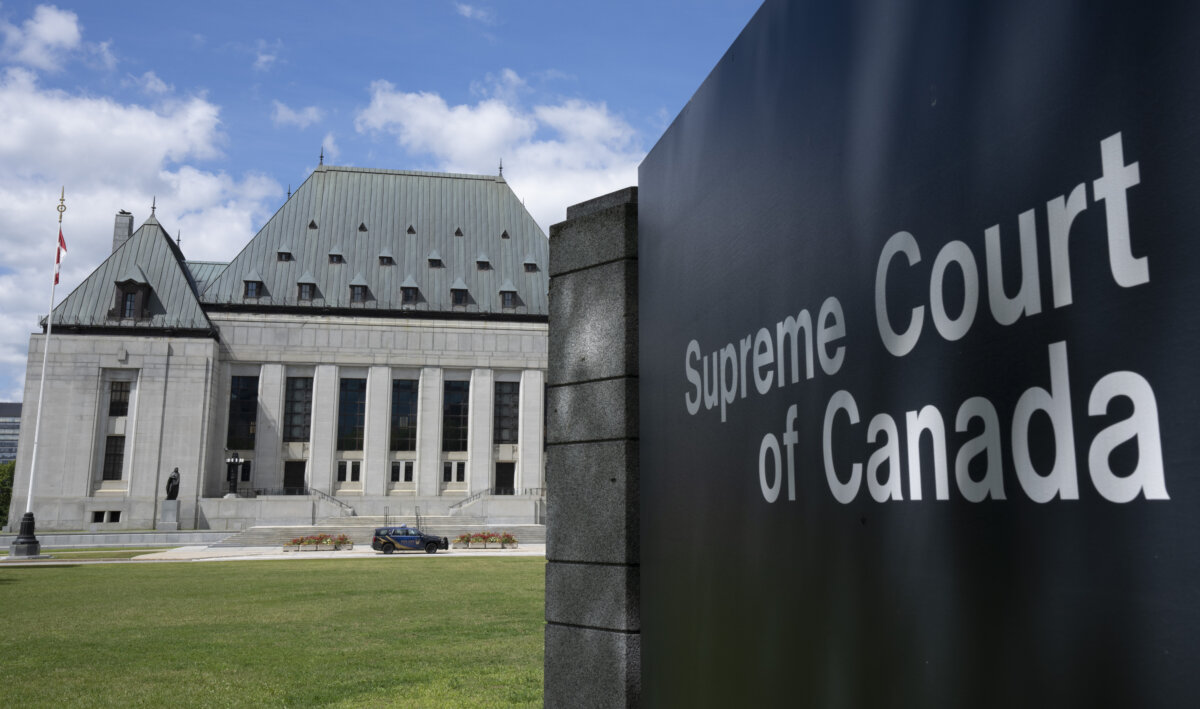
The Cowichan Nation did not seek the same “defective and invalid” declaration for land owned privately, but they may do so. Justice Young noted that the Cowichan are “not pursuing exclusive use and occupation of privately-owned lands in the Cowichan Title Lands at this time.”
So, the property titles on Crown and city land have been declared “defective and invalid.” This same designation is not being pursued “at this time” for private property by the Cowichan, but may be in the future. And aboriginal title still applies to that private property, regardless.
According to First Peoples Law, a law firm focused on indigenous issues, it is unclear at this time what would happen if the Cowichan sought to enforce aboriginal title against a private owner.
“It is unknown at this time how a court would address the question of whether a private landowner can be forced to return lands which are subject to Aboriginal title,” says a blog post by Kate Gunn, a partner at the law firm.
This has brought tremendous uncertainty into the lives of property owners in the Cowichan title area, many of whom found out about the ruling for the first time in a letter sent by Richmond Mayor Malcolm Brodie informing them that “the Court has declared aboriginal title to your property which may compromise the status and validity of your ownership.”
After a City of Richmond information session on this issue, one longtime Richmond resident told reporters that he was told his mortgage will not be renewed due to the newfound uncertainty over his property title.
According to one Richmond city councillor, a company has been refused financing for what she says is a $100 million project because of uncertainty brought on by the Cowichan ruling.
How will all of this be resolved? There are a few potential paths forward. First, B.C. and Ottawa are appealing the Cowichan decision, with provincial Attorney General Niki Sharma warning the ruling “could have significant unintended consequences for fee simple private property rights.”
The Cowichan ruling is also being appealed by the City of Richmond, as well as Tsawwassen First Nation and the Musqueam Indian Band—both of whom argue the ruling infringes on their own traditional territories.
Given the Supreme Court of Canada’s longstanding affirmation of aboriginal title from the Calder decision in 1973 to the Tsilhqotʼin decision in 2014, odds could be against the appeal, resulting in an outright reversal of the original Cowichan ruling from the Supreme Court of B.C.
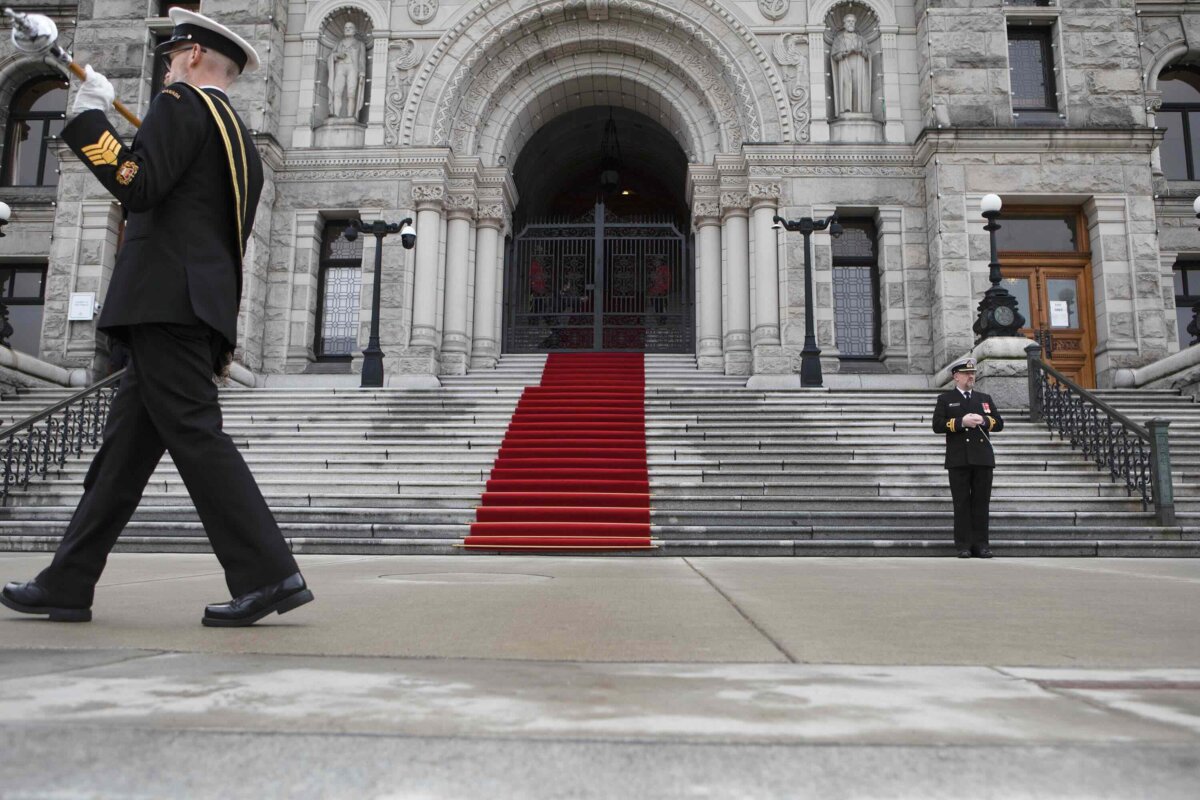 Members of the Naden Band of the Royal Canadian Navy rehearse before the arrival Lt.-Gov. Wendy Cocchia for the throne speech at the legislature in Victoria on Feb. 18, 2025. (The Canadian Press/Chad Hipolito)
Assuming that the federal Supreme Court sticks with its previous precedent and refuses to overturn the Cowichan decision, then the B.C. government will have to come to the negotiating table with the Cowichan Nation.
In the Cowichan ruling, Justice Young did not stipulate that the Richmond land will have to be returned outright. She wrote that “British Columbia owes a duty to the descendants of the Cowichan Nation” to “negotiate in good faith” and achieve a “reconciliation” between aboriginal title and the property titles currently on the books in Richmond. The ruling also suspended part of its order for 18 months to allow “orderly transition” and emphasized negotiation.
What would a “reconciliation” of the two kinds of property titles mean? Possibly, B.C. could convince the Cowichan to sign a treaty extinguishing their aboriginal title. That is unlikely—why would they give up their title after fighting hard in court to obtain it?
What could be more likely is for the province and the First Nation to attempt some form of agreement involving a financial transfer, or a transfer of government-owned land—probably both.
In return, the Cowichan could make it clear that they will never enforce their newly recognized aboriginal title against private landowners. In other words, they could promise that nobody in Richmond will get a knock on the door from someone telling them to vacate their home.
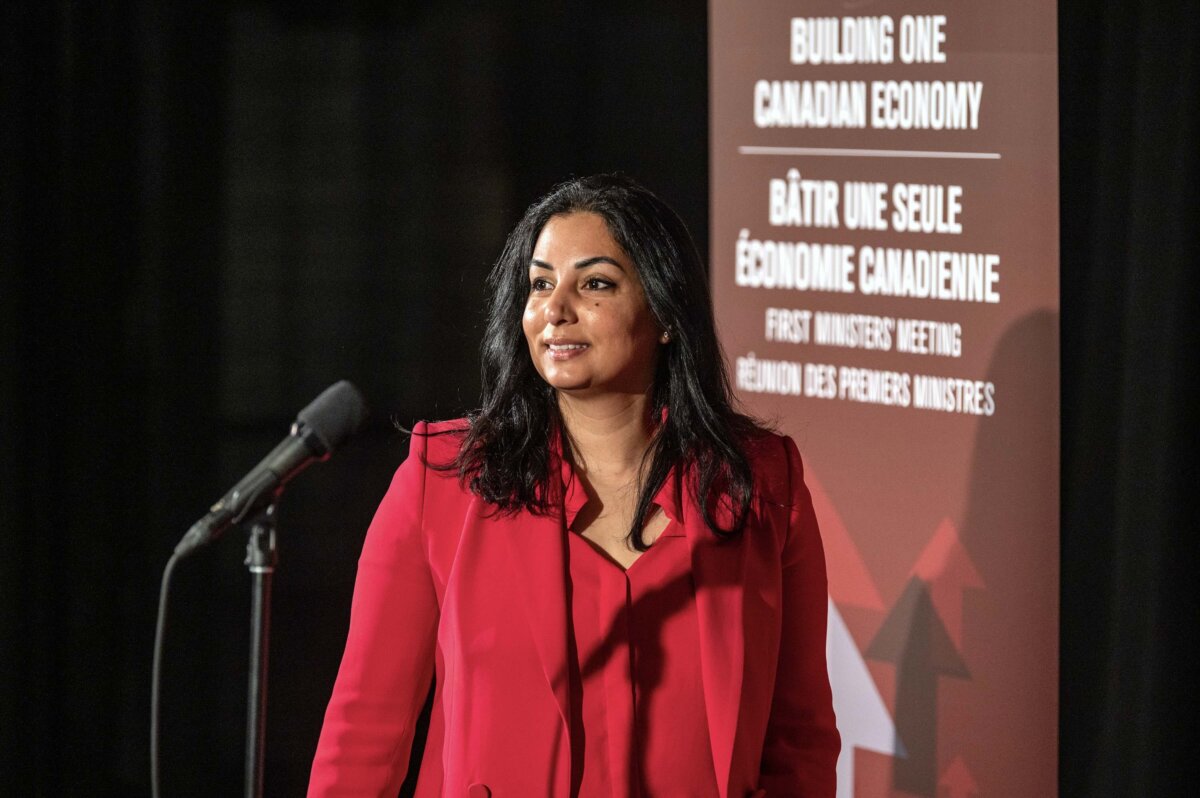 B.C. Deputy Premier and Attorney General Niki Sharma in a file photo. (The Canadian Press/Liam Richards)
Aboriginal title claims are not limited to B.C. While the Cowichan ruling is at the forefront of national discussion, a First Nation in Quebec has filed its own aboriginal title claim to lands in the western part of that province.
But Canadians outside of B.C. worried about the impact on their private property can take some comfort from the fact that B.C. will likely always remain the epicentre of aboriginal title claims due to two factors.
Firstly, other than a slice of the northeast and a portion of Vancouver Island, the vast majority of B.C. is not covered by historic treaties, meaning that aboriginal title has never been extinguished in most of the province. This stands in stark contrast to the Prairie provinces, for instance, which are entirely covered by the so-called Numbered Treaties.
Some activists describe all of Canada as “unceded land,” which is technically inaccurate since most of Canada is covered by treaties and was thereby “ceded.” B.C., on the other hand, can truly be described as mostly “unceded land.”
Secondly, B.C. has over 200 separate First Nations—one-third of all of the First Nations in Canada. This means that much of the province is criss-crossed by different potential aboriginal title claims, some overlapping and competing with one another.
Assuming Canada’s top court does not overturn the Cowichan ruling, which could be likely given its previous precedent, what does this all mean for B.C.? In a nutshell, a headache for B.C. politicians staring at the limitless rounds of negotiation on the horizon, more uncertainty for any private property owners who find themselves in an aboriginal title area, and undoubtedly some frustration for the First Nations who will find themselves battling other First Nations in court for competing title claims.
One thing is for certain: it’s a rocky road ahead.
Paul Rowan Brian contributed to this report.
 Friends Read Free
Copy
Facebook
Tweet
Friends Read Free
Copy
Facebook
Tweet