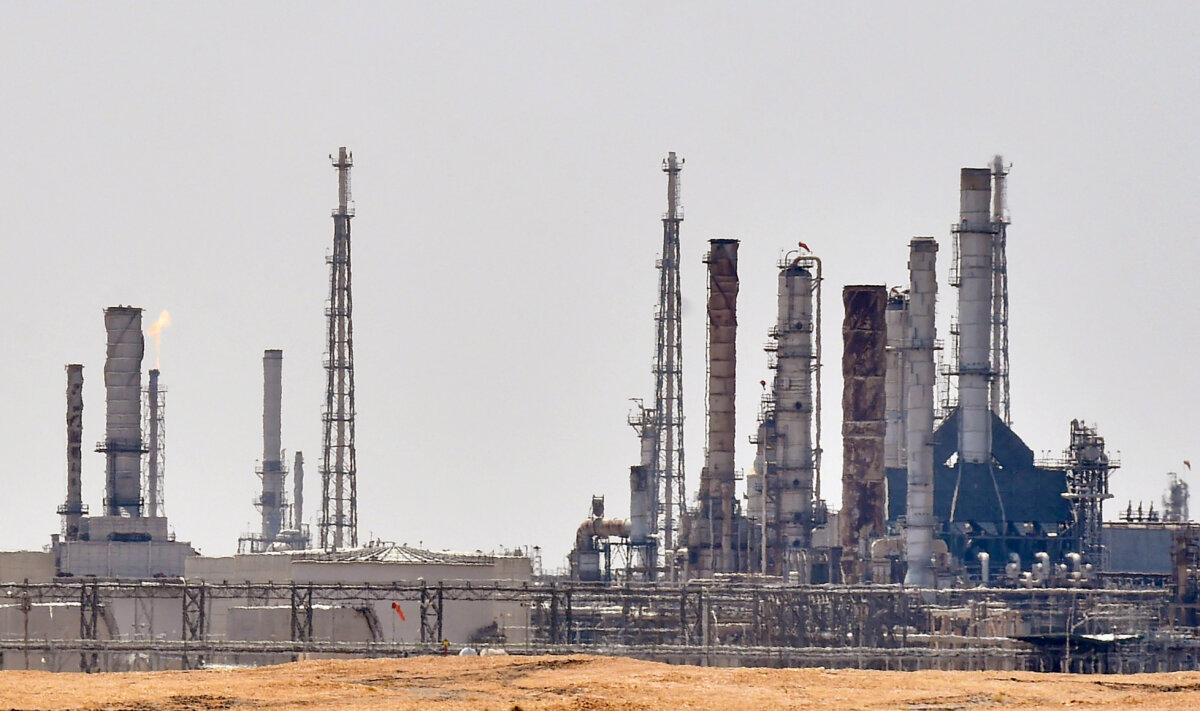

Oil prices retreated after hitting a four-year high of more than $126 a barrel on April 30, amid concerns that the U.S.–Iran war could escalate and disrupt oil flows out of the Middle East for an extended period.
Global oil benchmark Brent crude futures were down by $2.05, or 1.7 percent, to $115.98 a barrel as of 6:16 a.m. ET, after touching an intraday high of $126.41, the loftiest since March 9, 2022—just weeks after Russia launched its full-scale invasion of Ukraine.
The prompt contract for June delivery expires on April 30. The more active July contract was at $109.93, down by 51 cents or 0.5 percent.
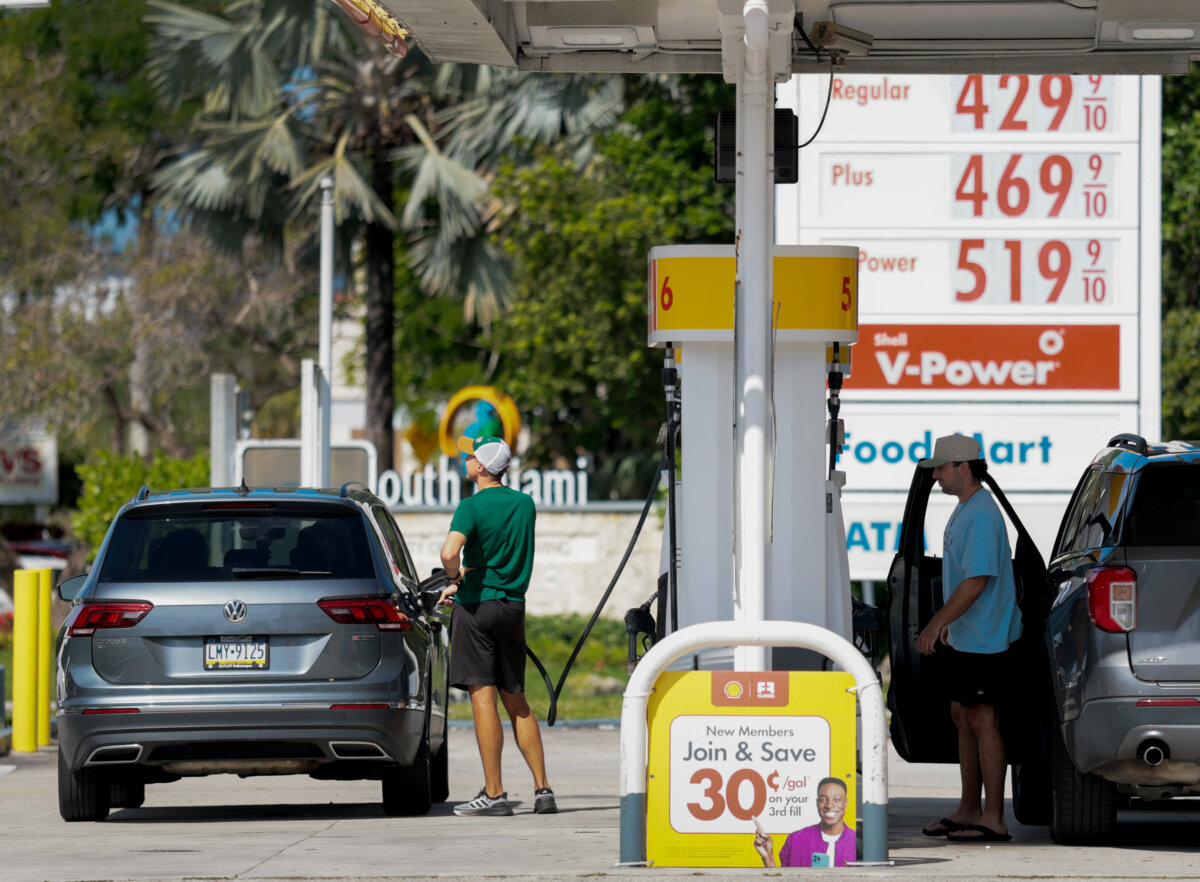
Brent prices have surged this year, reflecting fears that the Iran conflict could stymie global oil supplies for months to come, fueling inflation and raising the risks of global economic turmoil.
Prices began to rise after the United States and Israel attacked Iran on Feb. 28 and Iran responded by restricting traffic in the Strait of Hormuz, a critical shipping lane through which one-fifth of the world’s oil passes.
Amid a ceasefire that has halted combat, a U.S. blockade has also been imposed on vessels going to and from Iranian ports.
U.S. forces have turned back 37 vessels since then, U.S. Central Command said in an April 25 post on X.
Talks to resolve the conflict have reached an impasse, with the United States insisting on discussing Iran’s alleged nuclear weapons program and Iran demanding some control over the strait and reparations for damage from the war.
The White House said on April 27 that U.S. President Donald Trump met with national security advisers after Iran submitted a new proposal aimed at resolving the conflict.
White House press secretary Karoline Leavitt, responding to questions during a briefing, confirmed that the proposal was under discussion but declined to provide details.
Leavitt said Trump’s “red lines” remained unchanged, referring to the administration’s stated demand that the Strait of Hormuz remain open and that Iran surrender its uranium stockpiles to the United States.
On April 29, Trump again urged Iran to reach an agreement to end the ongoing conflict.
“Iran can’t get their act together,” he wrote in a post on Truth Social. “They don’t know how to sign a nonnuclear deal. They better get smart soon!”
The post was accompanied by an edited image showing Trump wearing sunglasses and holding a machine gun, with explosions in the background.
Iran has been seeking U.S. recognition of its right to enrich uranium for what it describes as peaceful civilian purposes.
Iran has about 970 pounds of uranium enriched to 60 percent purity, a short, technical step from weapons-grade levels of 90 percent, according to the International Atomic Energy Agency, the U.N.’s nuclear watchdog agency.
Iranian officials said on April 28 that the country could endure the U.S. blockade by relying on alternative trade routes and emphasized that it does not consider the war to be over.
Tehran’s latest proposal to resolve the conflict would delay discussions of its nuclear program until after the war ends and shipping disruptions are addressed.
This approach conflicts with Trump’s insistence that nuclear issues be part of negotiations from the outset.
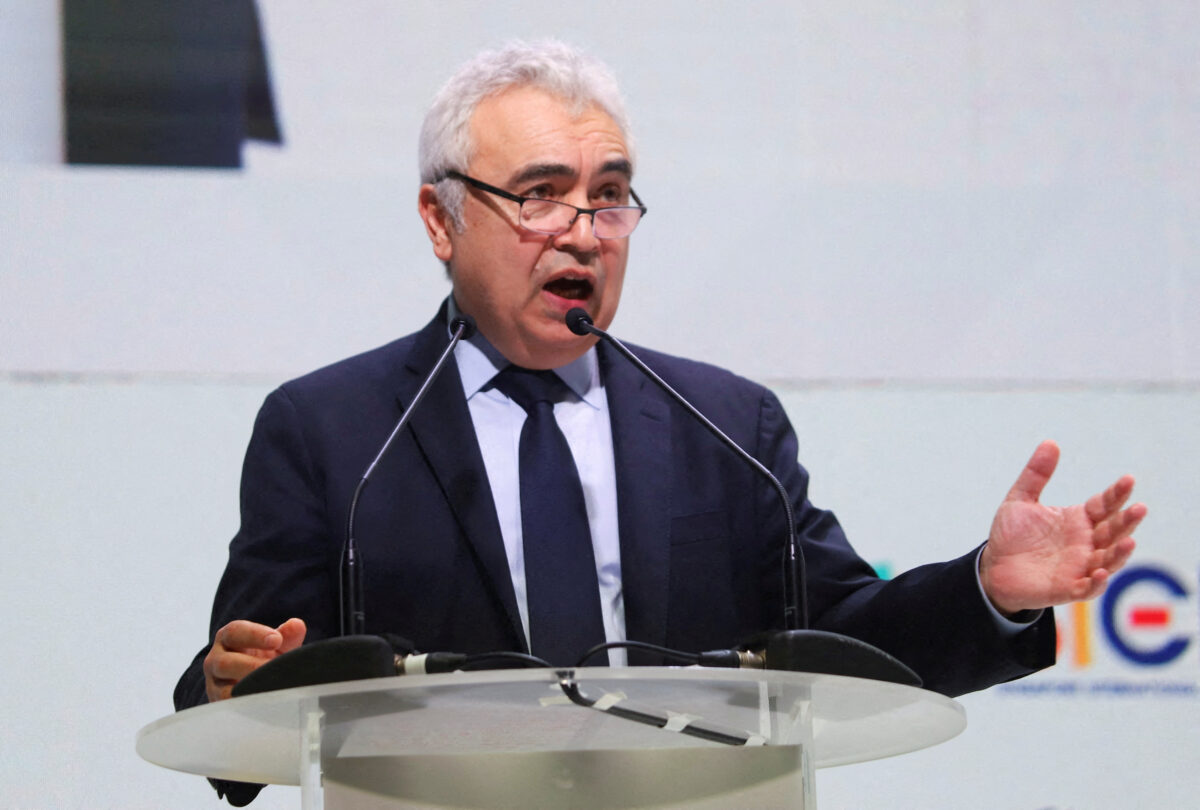
International Energy Agency (IEA) chief Fatih Birol has said that the current oil and gas crisis is worse than those in the 1970s and 2022 combined.
“I am very pessimistic because this war is blocking one of the arteries of the world economy. Not just oil and gas, but also fertilizers, petrochemicals, helium, and many other things,” he told French newspaper Le Figaro in comments published on April 6.
“If we look at the three major oil and gas crises of the past, the current crisis is more serious than those of 1973, 1979, and 2022 combined. We are facing a major energy shock that combines an oil shock, a gas shock, and a food shock. It is a major upheaval for the economy.”
Birol restated this view on April 30, telling a conference in Paris that “oil markets and gas markets are going through big difficulties.”
“When I looked last time, the oil price was over $120, which is putting a lot of pressure on many countries,” he said. “Our world is facing a major economic and energy challenge.”
The World Bank also said on April 28 that energy prices could increase by 24 percent in 2026 if supply disruptions persist.

The United Arab Emirates announced on April 28 that it would leave OPEC next month, marking one of the biggest ruptures within the oil cartel in years.
“This decision follows a comprehensive review of the UAE’s production policy and its current and future capacity and is based on our national interest and our commitment to contributing effectively to meeting the market’s pressing needs,” the UAE’s energy ministry said at the time.
The UAE produces between 3 million and 4.5 million barrels of crude per day.
Although the UAE did not explicitly state its reason for withdrawing from the 12-member group, the country has been involved in various internal disagreements for years. The loss of the UAE could further sow division within OPEC and weaken the institution.
Andrew Moran, Evegnia Filaminova, Jackson Richman, and Reuters contributed to this report.
 Friends Read Free
Copy
Facebook
Tweet
Friends Read Free
Copy
Facebook
Tweet