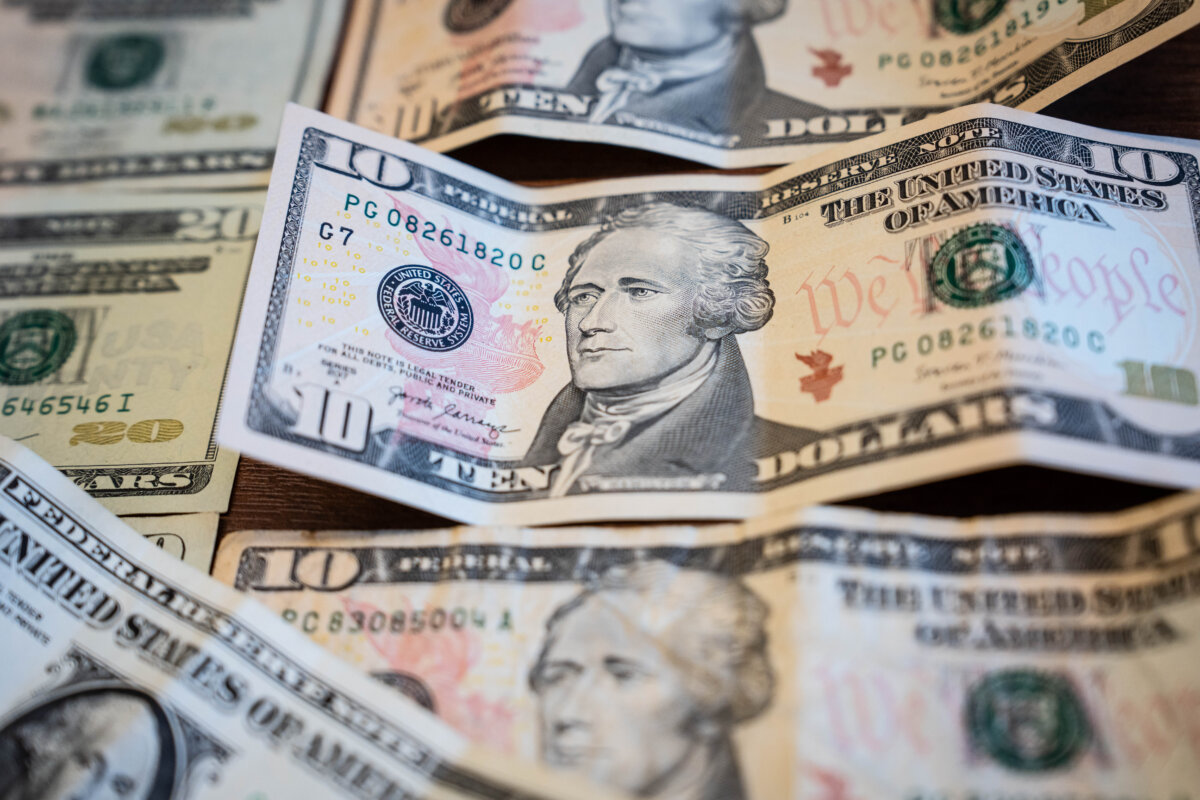

A hawkish tilt at the Federal Reserve lifted the U.S. dollar to a one-year high this week.
The U.S. Dollar Index—a measure of the greenback against a weighted basket of currencies like the Japanese yen and British pound—was little changed during the June 19 holiday trading session.
Inching closer to the 101 mark, the dollar is trading at its highest level since mid-May. The buck is poised for a 1 percent weekly gain, lifting its year-to-date rally to 2.5 percent.
The administration’s preferred Nominal Broad U.S. Dollar Index—a trade-weighted average of the greenback against trading-partner currencies—is flat this year.
“The new Fed chair received mostly high marks and dealt a blow to those narratives that saw him as beholden to the president’s wishes,” Marc Chandler, chief market strategist at Bannockburn Capital Markets, said in a June 18 research note.
“He repeatedly underscored his and the Fed’s commitment to price stability.”
Chairman Kevin Warsh, who headed his first Federal Open Market Committee policy meeting this week, centered his news conference on fighting inflation.
The Summary of Economic Projections—an outlook presented by monetary authorities for policy and the economy—signaled at least one rate hike before the year’s end.
Markets quickly adapted and began pricing in higher interest rates.
Investors anticipate policymakers will follow through on a quarter-point rate hike in September, according to CME FedWatch data.
Before the meeting, traders had forecast that officials would raise rates in October or December.
But while a September rate hike is now the base-case scenario, the odds of an increase next month have been steadily rising, touching 40 percent on June 19.
These increasing chances have also bolstered yields on U.S. Treasury securities.
The 2-year yield—typically reflecting Fed policy expectations—hurled toward 4.2 percent at the end of the June meeting.
Digesting this month’s outcome, Wall Street shifted its view on the new central bank chief, expecting a more hawkish Federal Reserve than initially anticipated.
“Persistently high prices are a burden for the American people, but the recent past need not be prologue,” Warsh said.
“I am pleased to report that members of the FOMC are unambiguous and unanimous. This committee will deliver price stability.”
Warsh highlighted that the Fed has missed its 2 percent inflation target for more than five years, and that reforms to the institution would ensure it attains this goal.
It should not have been entirely surprising to markets since a new chairman wants to garner credibility by picking a fight with inflation, says Christian Hoffmann, head of fixed income at Thornburg Investment Management.
“It’s basic game theory: a new Fed Chair has to establish credibility early,” Hoffmann said in a note emailed to The Epoch Times.
Last month’s annual consumer inflation rate climbed to 4.2 percent, the highest in more than three years.
But the June Consumer Price Index is expected to show relief, with the Cleveland Fed forecasting a 4 percent reading.
Still, if headline inflation shows little sign of returning to pre-conflict levels, there will be a case for restrictive monetary policy—good news for the dollar for the rest of 2026.
Another positive development is that the world remains hungry for U.S. assets.
Foreign investors scooped up another $4 billion in Treasury securities in April, bringing total holdings to almost $9.35 trillion, according to government data released on June 18.
This is up 4 percent, or about $352 billion, from the same time a year ago.
World of Higher Rates
It is not only the Federal Reserve flirting with the prospect of higher interest rates.
The Bank of Japan voted this week to increase its policy rate to about 1 percent from 0.7 percent—the highest level since 1995.
The European Central Bank lifted its key interest rate by 25 basis points to 2.25 percent, the first increase since 2023.
Others, including the Bank of England and the Bank of Canada, have been holding their benchmark rates heading into the summer.
In addition, Tokyo has been intervening in foreign exchange markets to prop up the yen.
Currency officials deployed 11.7 trillion yen ($73 billion) in foreign reserves from April to May to stimulate the yen.
ING strategists suggest Japan could intervene again during the U.S. holiday.
“Today’s U.S. holiday creates a lower-liquidity backdrop, a window during which Japanese authorities have previously shown a preference to intervene. USD/JPY is already deep into intervention territory after breaking above the 2024 highs yesterday,” they said in a June 19 note.
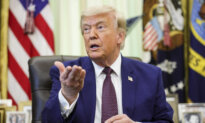
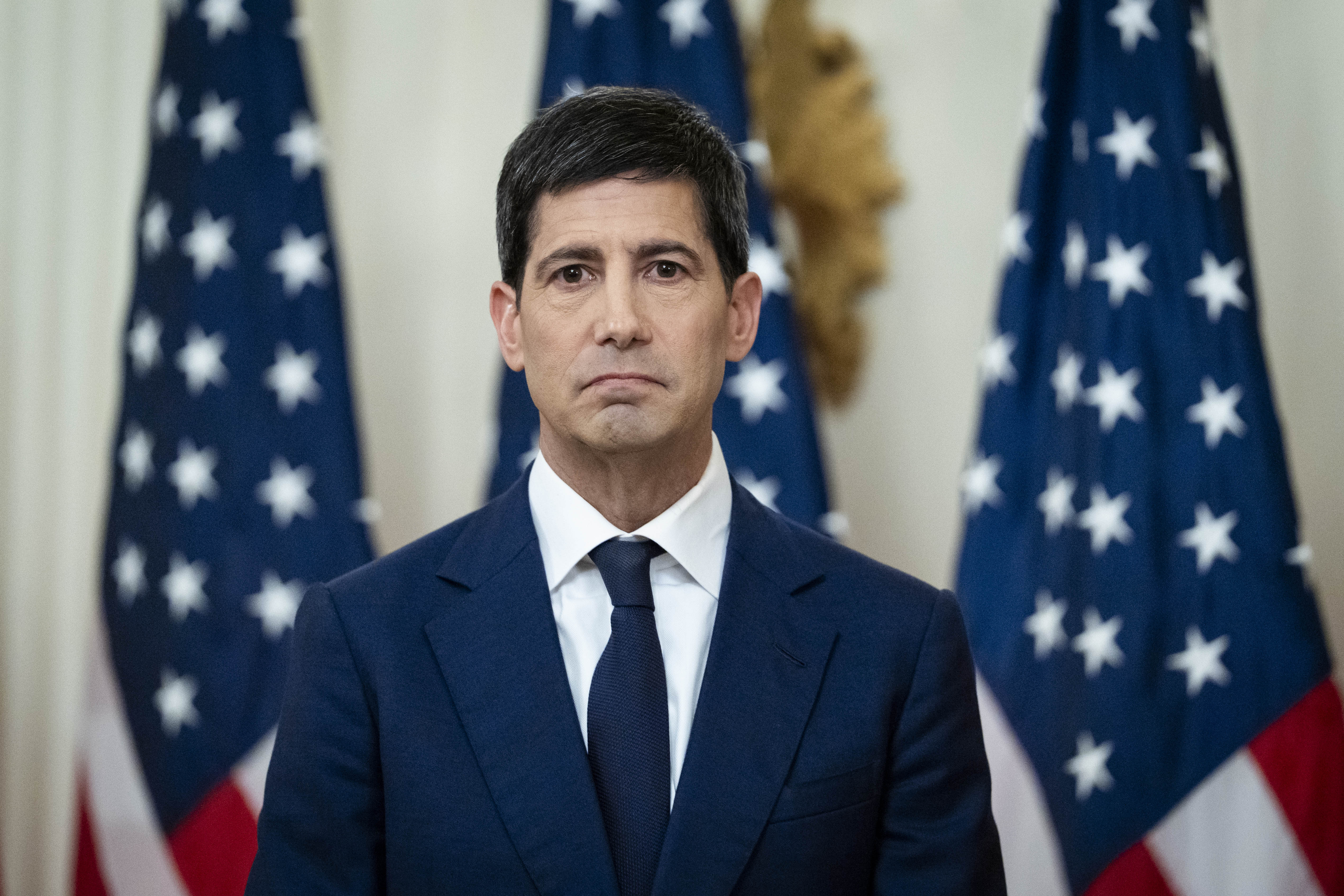 Federal Reserve chairman Kevin Warsh at the White House on May 22, 2026. (Madalina Kilroy/The Epoch Times)
The Japanese yen was little changed against the greenback at the end of the trading week and is down 3 percent year-to-date.
The Swiss National Bank hinted at FX intervention at this month’s policy meeting. Switzerland’s central bank said it is prepared to intervene to prevent a rapid appreciation of the Swiss franc and ensure price stability.
The Swiss franc slipped 0.4 percent against the dollar and is down 2 percent this year.
While FX intervention could have a modest impact on the buck, Fed policy will continue to be a major factor for the dollar, at least in the short term, the ING strategists said.
“In the near term, the dollar may enjoy post-Fed enthusiasm for a bit longer, with markets probably keen to fully price two hikes by December at the first strong data print,” they added.
Evgenia Filimianova contributed to this report.
 Friends Read Free
Copy
Facebook
Tweet
Friends Read Free
Copy
Facebook
Tweet