


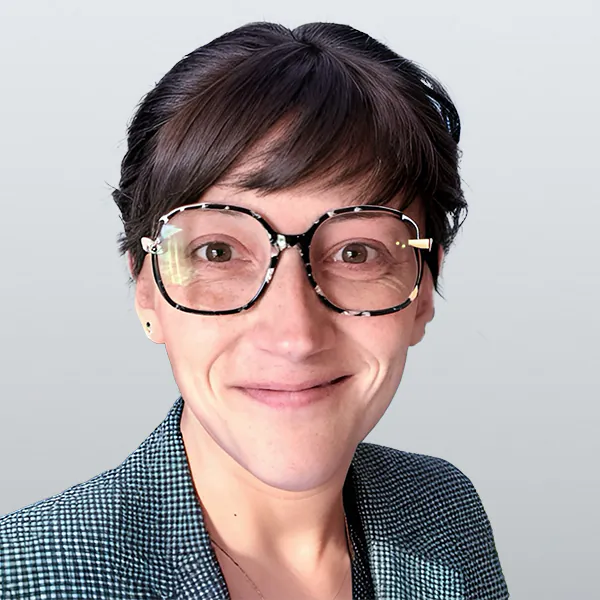
Rachel Beale, a mother of three, often takes days to prepare for an upcoming birthday or holiday.
Her preparation isn’t focused on sending invitations, baking cupcakes, or perfecting decorations; it’s focused on resting and getting enough sleep.
After contracting COVID-19 in March 2021, Ms. Beale, a resident of Sedley, Virginia, came down with long COVID, and her life has never been the same.
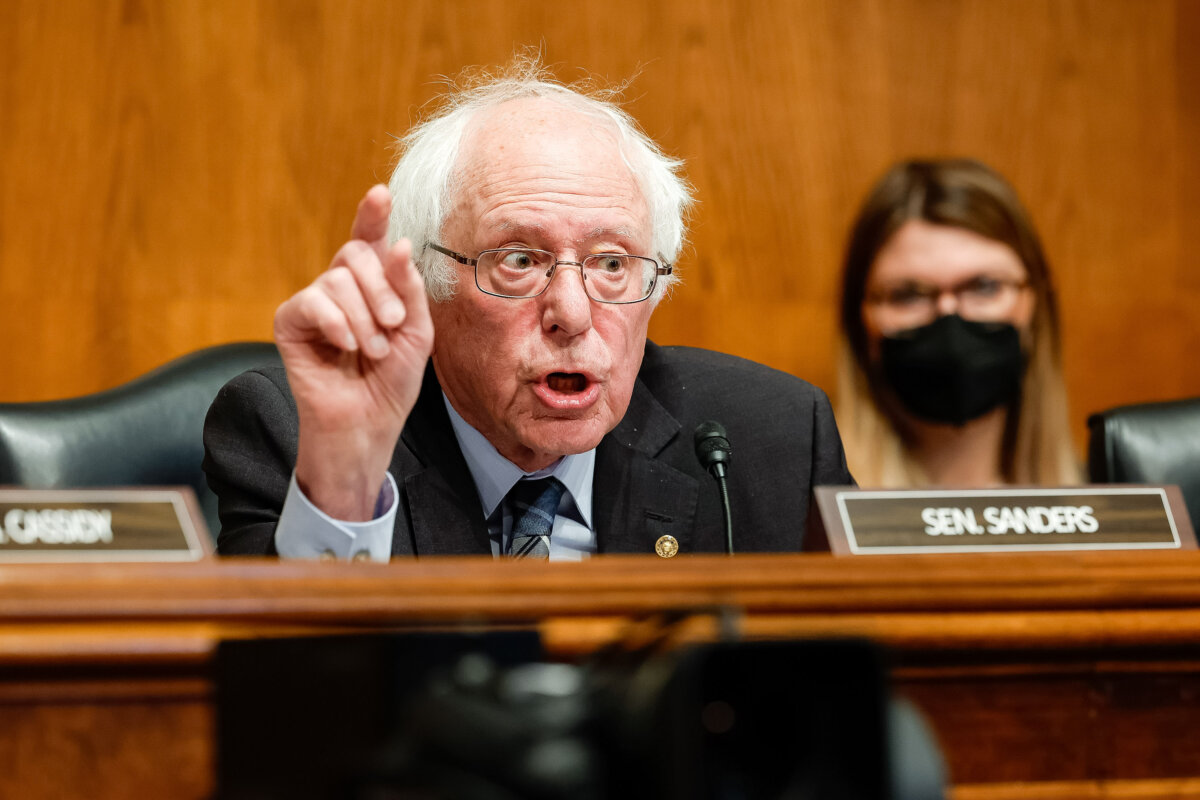
Ms. Beale explained these life changes as she testified in front of the U.S. Senate Committee of Health, Education Labor & Pensions on Thursday, Jan. 18. She told U.S. senators and a panel of physicians how her once full life is now marked by fatigue, chronic pain, and sleeping all day.
“It can be debilitating,” she testified. “Being sick for so long has made my depression and anxiety worse. I’ve had low times; when I don’t feel good, I get depressed.”
Making matters worse, Ms. Beale was forced to leave her job as a human resources director at a local community college, slowly transitioning from short-term to long-term disability. Now, as she testified before the Senate, she’s fighting to gain Social Security Disability Insurance (SSDI). Although long COVID is recognized by the Americans With Disabilities Act, she’s been denied twice and is currently waiting for a hearing date with an administrative law judge.
“It has been an ordeal,” Ms. Beale said. “The system is very difficult to navigate … Both times I was denied, SSDI doesn’t give specific reasons why you were denied, so I don’t know what it is that they need from me to show that I can’t work … I don’t know if they were able to get in contact with all the doctors. I don’t know unless the doctor tells me.”
Americans Left on Their Own
“We as a congress have not done enough, and we hope to turn that around,” Sen. Bernie Sanders (I-Vt.) said during the U.S. Senate hearing.
“Long COVID is a serious illness that can have devastating consequences for those who contract it,” Mr. Sanders said.
According to Mr. Sanders, an estimated 16 million Americans have long COVID, which affects people of all ages and backgrounds, though some research indicates the illness disproportionally affects individuals of color and low income.
“For far too many people who were previously healthy, who were leading healthy and productive lives, they have suddenly found themselves bedridden and grappling with strange, debilitating systems that they could not have conceived of having gotten as a result of long COVID,” Mr. Sanders said.
According to the U.S. Centers for Disease Control and Prevention (CDC), there are more than 200 symptoms that can come with long COVID, including serious cognitive impairment and severe cardiovascular and neurological problems. These problems can last for “weeks, months, or even years after initial infection,” Mr. Sanders reported.
Angela Meriquez Vázquez contracted COVID in March 2020.
“What started as a mild illness progressed over weeks with an increasingly scary set of symptoms, including severe levels of blood clots, a series of mini-strokes, brain swelling, seizures, painful heart palpitations, severe shortness of breath, extreme confusion and numbness in my face, hands, and legs that progressed to an inability to walk for several days,” she testified.
Ms. Vázquez, who lives in Los Angeles, was diagnosed with long COVID and left on her own for the first year because, she claimed, she did not fit the profile of someone considered high-risk.
“I was a young person of color, not elderly and white,” Ms. Vázquez said, adding that the medical neglect and discrimination she faced contributed to her current level of disability.
According to the U.S. Census, Hispanics were the most likely to report long-COVID symptoms, followed by blacks, in a survey taken between June and December of 2022.
Ms. Vázquez said she currently takes 12 different medications, including weekly IV treatments at the hospital.
“I do not socialize or enjoy my old hobbies, and I don’t really leave my home, especially now that I am now considered high-risk,” she said.
More Funding Needed for Research, Treatment Options
Currently, there are no FDA-approved medications for long COVID.
“We have to increase the sense of urgency,” said Sen. Tammy Baldwin (D-Wis.). “It’s vital that we continue to support research into long COVID to better understand, prevent, and treat the disease.”
According to Ms. Baldwin, Congress has allocated $1.15 billion to the National Institutes of Health (NIH) toward research into long COVID. There is fear, she noted, that the NIH research may not lead to any meaningful treatment for people suffering from long COVID.
“The Recover Initiative is really trying to gather data … and really understand the disease,” said Dr. Michelle Harkins, a professor of medicine at the University of New Mexico. “We want to be able to do treatments, and the treatment trials are taking a while to get going.”
She added that the problem is that, because of the many symptoms associated with long COVID, one treatment will not be a cure-all for long-COVID patients. As such, it will be important for the research to nail down what is driving fatigue and cardiac and respiratory issues common in long COVID.
“You have to have it very clarified for your specific patient population to see a benefit,” Dr. Harkins said. “That’s going to take time.”
Dr. Ziyad Al-Aly, a clinical epidemiologist from Washington University in St. Louis, added that research needs to dig deeper into the evolution of why acute infections, such as the initial COVID infection, will turn into larger infections.
“This requires really a comprehensive approach to really understand the mechanisms of why viruses actually produce acute infections that lead to chronic disease, understand the epidemiology, and also to dissect the therapeutic pathways,” Dr. Al-Aly said. “This requires an all-hands-on-deck situation and really a broad, comprehensive approach.”