



The U.S. Centers for Disease Control and Prevention (CDC) issued updated practice recommendations for contraceptives on Thursday.
The new guidance replaces the 2016 report on contraceptive use.
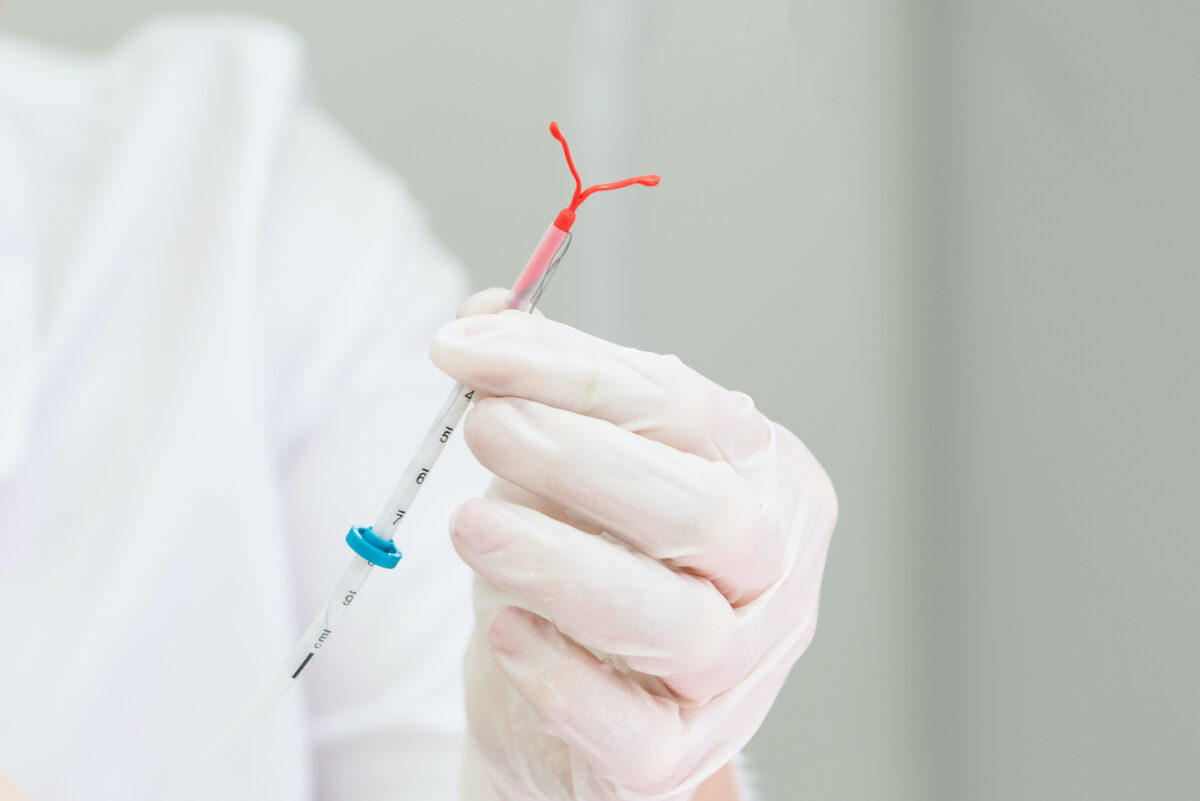
A notable update includes the addition of lidocaine, a topical and cervical anesthetic, to reduce patients’ pain during intrauterine device (IUD) insertion. IUDs are small, T-shaped devices inserted into the uterus to prevent pregnancy.
In the section discussing medication provision, scientists and clinicians with the CDC also added new recommendations that doctors should thoroughly discuss the risk of pain from IUD insertion and placement.
IUD Insertion and Pain
IUDs release hormones and other chemicals to prevent pregnancy. IUD insertion can be very painful for some women, though every patient’s experience is different.
“Minimizing pain is really common in medicine, and until you are a patient experiencing it yourself, do you ever actually understand and appreciate what it feels like to be on the other side of that?” Dr. Tracey A. Wilkinson, an associate professor of pediatrics and obstetrics and gynecology at the Indiana University School of Medicine, told The Epoch Times.
Wilkinson said that pain can occur when the IUD is inserted past the cervix, the entrance of the uterus, and also when the IUD is placed inside the uterus. The cervix has many nerve endings, which can make it sensitive to pain. The uterus can also tighten when something is inserted, and the contraction can cause pain.
“I do recommend patients taking what we call an NSAID, which is a nonsteroidal anti-inflammatory medicine, like Aleve (naproxen) or an Advil (ibuprofen), for example, just because it’s normal to experience some cramping after the insertion, but that usually ends after the first day,” she said.
On social media, many women have complained that they were not sufficiently warned about the pain and not given adequate pain medication.
A 2023 Duke University study that analyzed the top 100 videos on TikTok through a hashtag search for #IUD found that over 95 percent of videos highlighted the pain from IUD and the insufficient treatment.
“We can always deliver a higher level of care when it comes to making sure that patients’ experiences are positive, that they feel that they were counseled, that they feel that they were given options, and that they felt that they were being listened to when they were speaking about their symptoms or their experiences,” Wilkinson said. “That’s true for anything in medicine, like a blood draw or a vaccine visit.”
IUD Risks
IUDs can cause irregular bleeding and cramping, spotting, or heavier periods. Depending on the IUD, some women may stop having periods altogether. Bleeding and cramping usually improve after a few months.
For some women, cramping can be severe and last for days.
Hormonal IUDs can cause other side effects such as acne, depression, weight gain, reduced libido, and headaches. Copper IUDs may have a slight but elevated chance of leading to recurring thrush.
Other Updates
The new guidance also updated treatment recommendations to reduce bleeding risks from IUD insertion.
Other new recommendations are that doctors should counsel patients about how testosterone use may not prevent pregnancy. The CDC also suggested that depot medroxyprogesterone acetate, a self-administered injectable contraception that works by preventing ovulation and thickening cervical mucus, be made available.