




Cardiovascular disease is the leading cause of death worldwide. Acupuncture point, or acupoint, therapy in traditional Chinese medicine (TCM) can effectively protect the heart and relieve symptoms of cardiovascular disease.
In the United States, every 33 seconds, one person dies of cardiovascular disease, and each year, over 800,000 people have a heart attack. Cardiovascular disease kills more than 17.3 million people worldwide annually. By 2030, it could increase to more than 23.6 million deaths yearly, according to statistics from the U.S. Centers for Disease Control and Prevention (CDC).
It’s noteworthy that about one-fifth of all heart attacks are “silent,” meaning that damage was done without the patient being aware of it.
As the saying goes, preventing a disease is better than curing it. TCM has unique strengths in building up body health.
Acupuncture Point Therapy
TCM defines meridians as channels of energy in the human body that transport qi and blood to the whole body.
In TCM, qi, blood, and meridians are the most fundamental substances necessary for life. The concept of “qi” can be understood as the “vital energy” or “vitality” that constitutes life in the body.
There are 12 major meridians in the body, corresponding to 12 internal organs. Those internal organs are connected to the body’s surface through the meridians.
Points with special effects on the meridians are called acupoints. Through acupuncture, tuina, massage, and other stimulation of the relevant points, we can mitigate problems in different organs.
A 2019 study published in the Journal of the American Medical Association (JAMA) Internal Medicine confirmed the effectiveness of acupuncture therapy as an adjunctive therapy for relieving chronic stable angina (CSA).
Researchers divided the patients into four groups: a disease-affected meridian (DAM) group, a nonaffected meridian (NAM) group, a sham acupuncture (SA) group, and a waitlist/no acupuncture (WL) group.
After 16 weeks of acupuncture therapy, it was found that the frequency of angina attacks reduced by 7.96 times in the DAM group, 3.89 in the NAM group, 2.78 in the SA group, and 2.33 in the WL group.
7 Heart-Healthy Acupoints
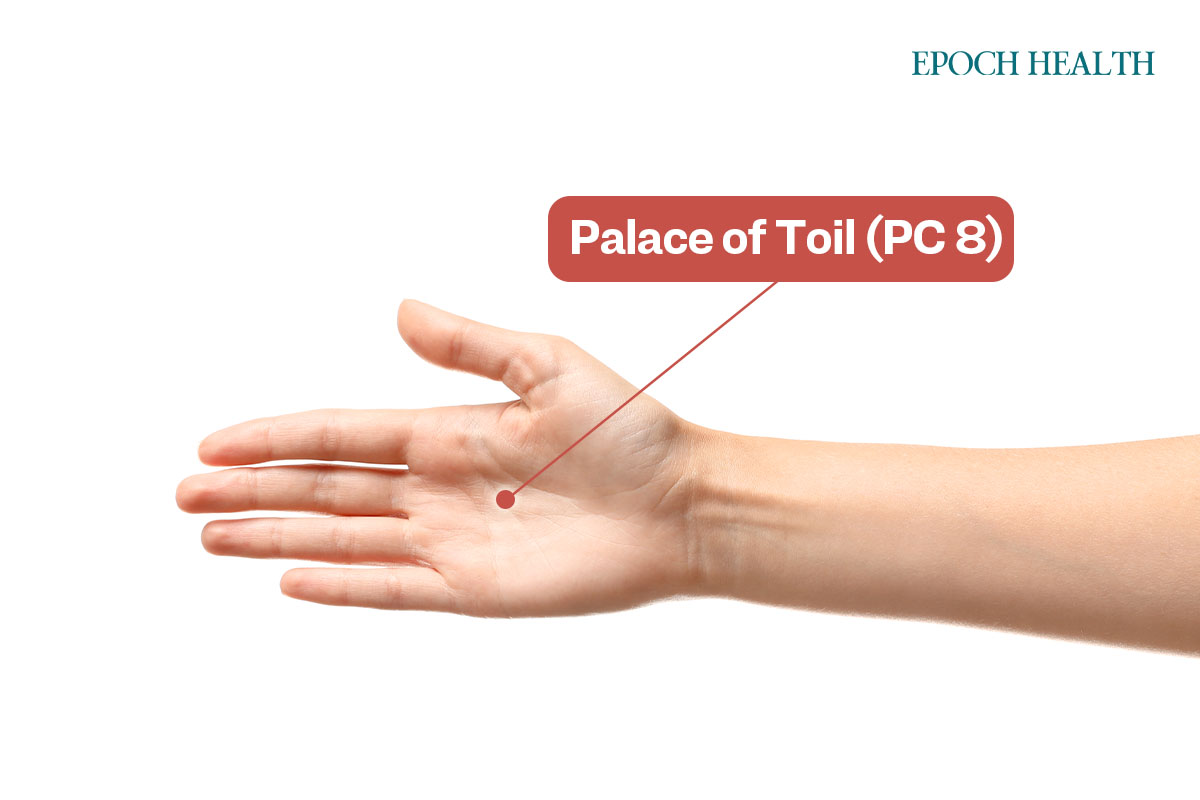
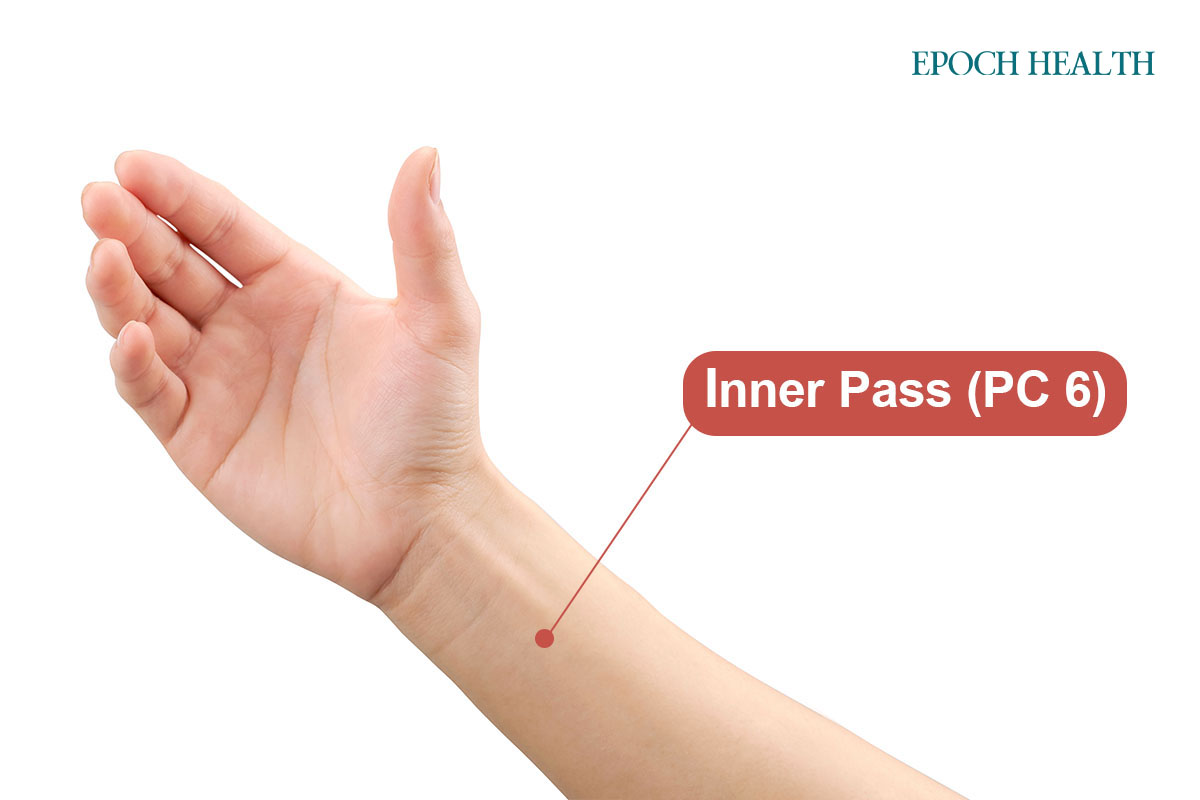
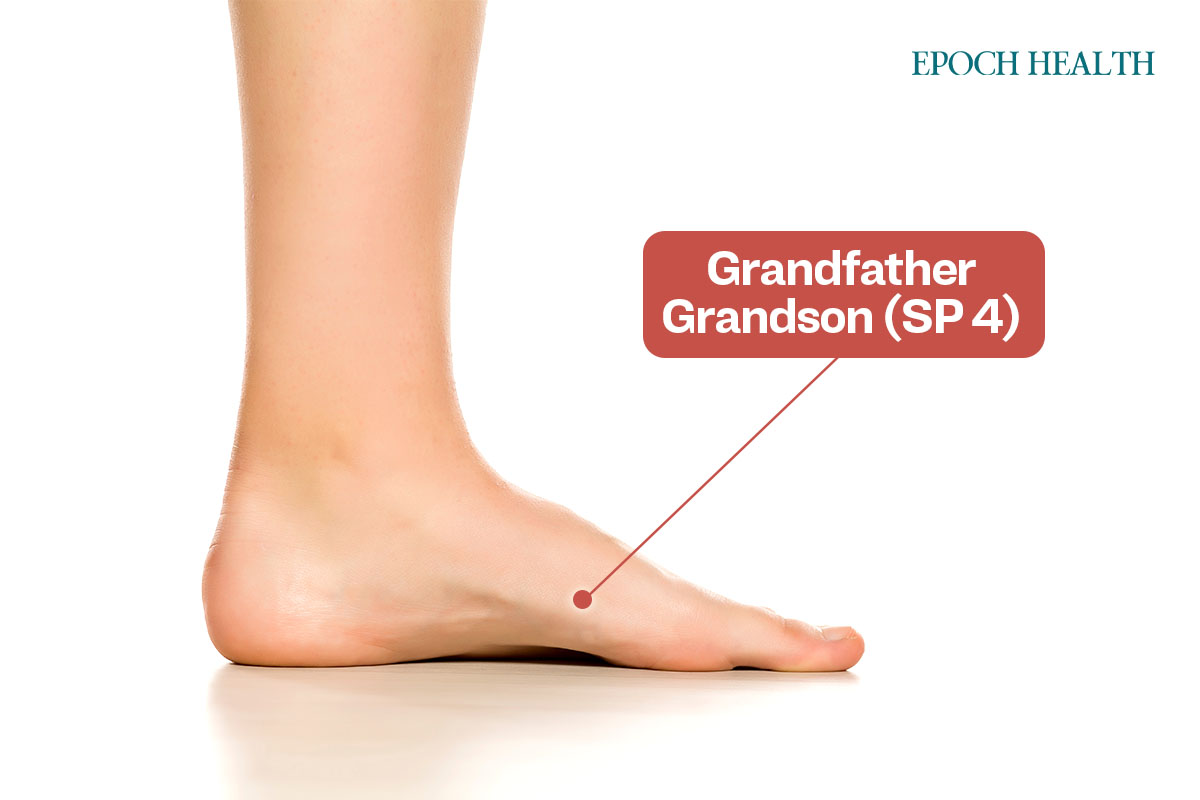
Massaging Palace of Toil, Inner Pass, and Grandfather Grandson can regulate qi and blood and improve cardiovascular function.
The Palace of Toil point is in the center of the palm.
The Inner Pass point can be found between the two tendons on the inner side of the forearm wrist, about three finger widths below the palm.
The Grandfather Grandson point is 1 inch behind the base joint of the inner side of the big toe of the foot.
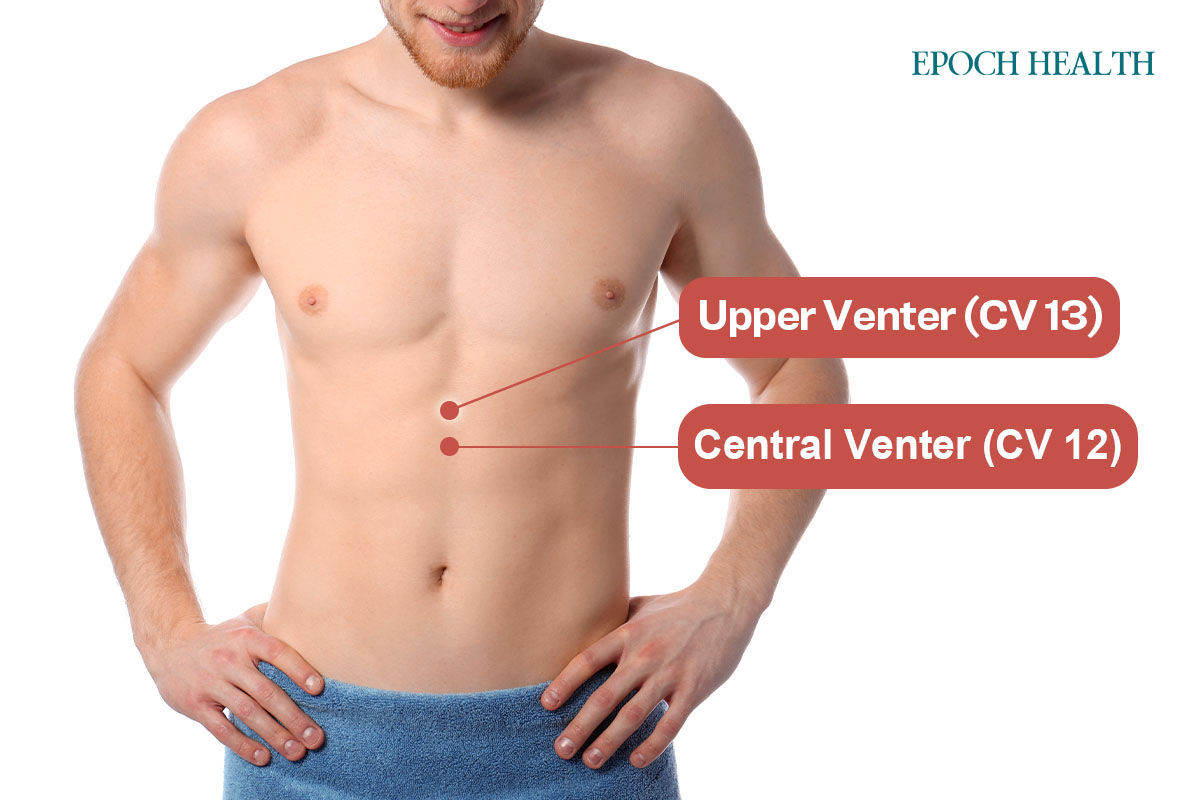
Pressing the Upper Venter and Central Venter points on your abdomen benefits your heart.
Press the Lung 2 point on the ear to help you quit smoking and protect your heart.
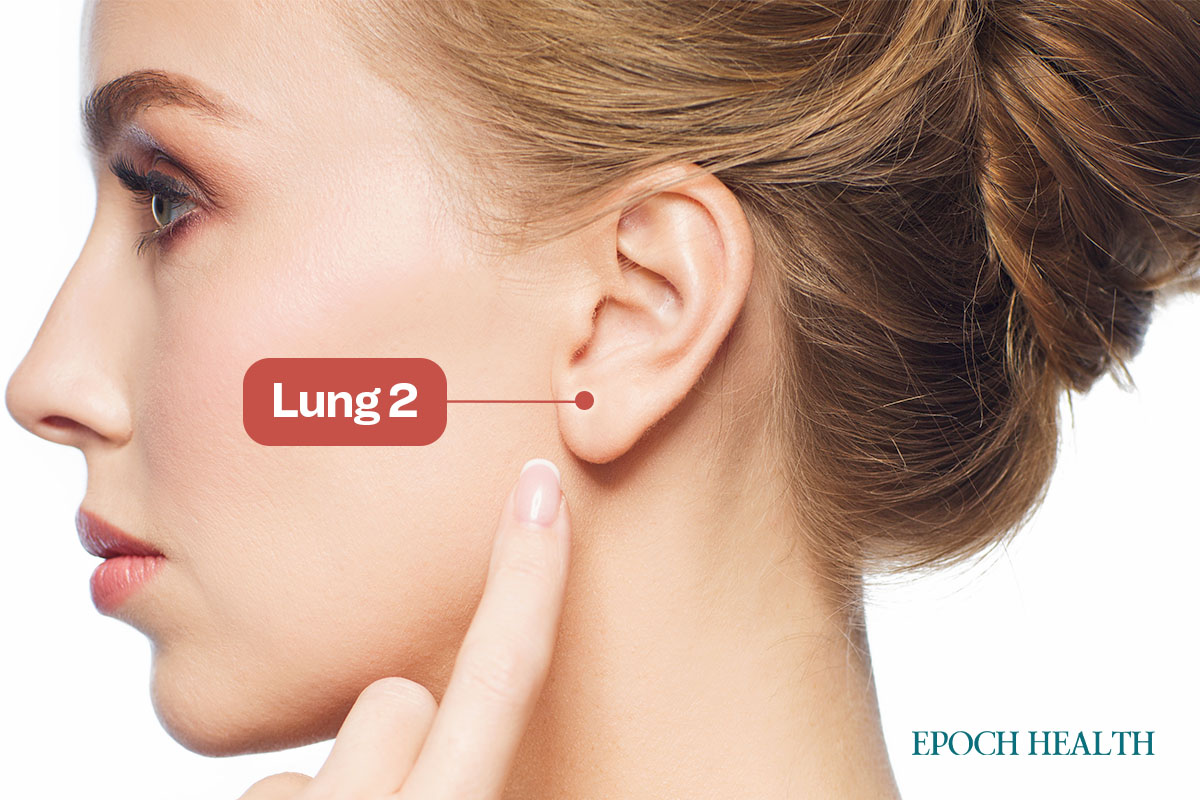
Smoking is harmful for the lungs and windpipe, but also for the heart and blood vessels. Regular pressure on the Lung 2 acupoint can reduce the desire for tobacco and help you quit smoking.
The Lung 2 point can be found in the upper one-third of the part between the bottom of the earlobe and the ear opening.
Another point on the hand, Yang Ravine, is on the indented surface at the back side of the thumb.
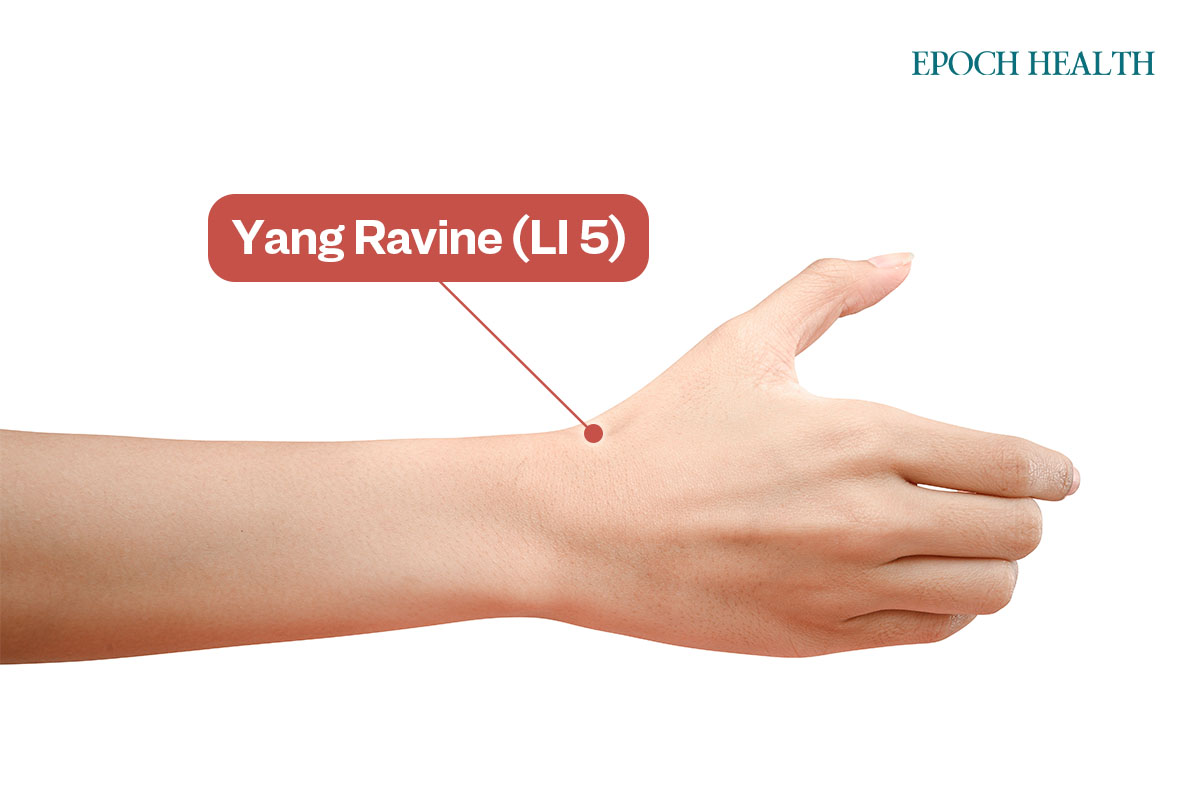
If you are often out of breath when walking or have trouble breathing when climbing stairs, pressing the Yang Ravine point can help you inhale more deeply, increase oxygen exchange in the lungs, regulate your heartbeat, and even lower your blood pressure.
Food Therapy
The heart corresponds to fire and the color red in nature. Therefore, TCM believes that eating red-colored foods can replenish blood and nourish the heart, such as tomatoes, red beans, apples, red dates, and mulberries.
TCM is based on the Five Elements (or Wuxing in Chinese) theory, with the elements being wood, fire, earth, gold, and water. The five elements are correlated to five human organs: liver, heart, spleen, lungs, and kidneys, and each one pairs with five colors: green, red, yellow, white, and black. They also correspond with the five tastes: sour, bitter, sweet, spicy, and salty.
Views expressed in this article are the opinions of the author and do not necessarily reflect the views of The Epoch Times. Epoch Health welcomes professional discussion and friendly debate. To submit an opinion piece, please follow these guidelines and submit through our form here.