



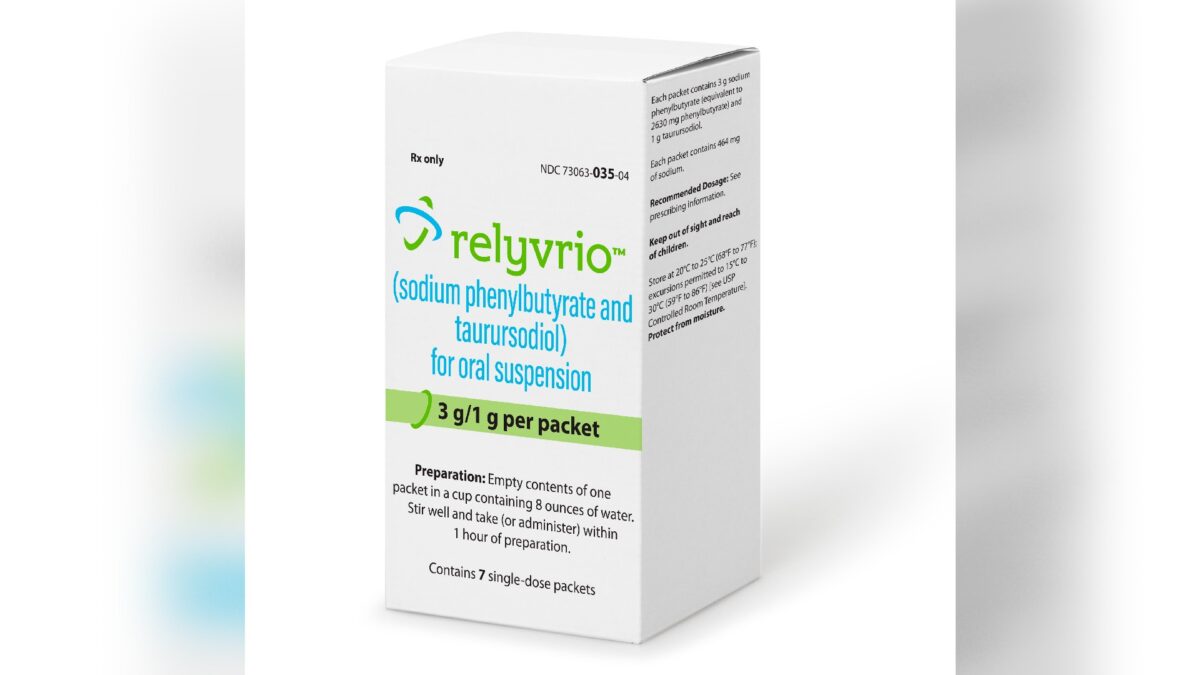
Relyvrio, a drug meant to treat amyotrophic lateral sclerosis (ALS), failed clinical trials due to not providing significant symptom relief in those suffering from the disease.
In particular, the phase 3 clinical trial showed that the drug, which is a combination of sodium phenylbutyrate and taurursodiol, failed to improve patient symptoms after 48 weeks of treatment. Additionally, compared to a placebo, the medication was unable to significantly improve reported quality of life, overall survival, and respiratory function, CNN Health reported.
“We are surprised and deeply disappointed by the [phase 3] results following the positive data from the CENTAUR trial,” Justin Klee and Joshua Cohen, co-CEOs of drug manufacturer Amylyx Pharmaceuticals, said in a press release. The Centaur trial was the phase 2 trial.
What Is ALS?
ALS, also known as Lou Gehrig’s disease, is a progressive, neurological disease that kills nerve cells in the brain and spinal cord. These nerve cells, called motor neurons, control voluntary muscles. ALS can affect anyone, regardless of race, ethnicity, or socioeconomic status. According to ALS News Today, ALS symptoms commonly develop in people between the ages of 40 and 70, with the average diagnosis occurring at age 55. Roughly 5,000 people in the United States are diagnosed with ALS each year, according to the ALS Association.
According to Johns Hopkins Medicine, ALS disease falls into two categories: sporadic and familial. Sporadic ALS comprises 90 percent to 95 percent of cases. These cases occur randomly, without any known cause. Familial ALS accounts for the remaining 5 percent to 10 percent of cases and is thought to be inherited.
Symptoms of ALS typically progress and become more noticeable the longer a person has the disease. Symptoms include:
- Muscle twitching and cramping
- Loss of coordination and motor control of the arms and legs
- Impaired use of the arms and legs
- Uncontrollable episodes of laughing or crying
- Speech issues, including slurred or thick speech or trouble projecting the voice
- Constant fatigue
As the disease progresses, ALS patients typically struggle with breathing, swallowing, and paralysis. Patients usually die from ALS due to respiratory failure.
Other Medications Offer Some Relief for Incurable Disease
ALS is a disease with no cure, but medications offer some relief, including riluzole and edaravone. Although the U.S. Food and Drug Administration (FDA) noted that riluzole and edaravone have demonstrated benefits for ALS, the agency acknowledged that the disease remains progressive and fatal despite the therapies, according to a September 2022 summary memorandum for Relyvrio’s original approval. Up until the results of the postmarket study, it was thought that Relyvrio could be a third option.
The FDA’s approval of Relyvrio was always controversial. The pre-market study showed just a minor slowing of disease progression. However, proof of the drug’s efficacy was insufficient in terms of the FDA’s usual standards, Holly Fernandez Lynch, assistant professor of medical ethics and law at the University of Pennsylvania, told CNN Health.
Yet many in the ALS community supported the initial approval, including the ALS Association.
“We supported the early approval of Relyvrio because there were no questions about its safety and the phase 2 trial data was positive. At the time, we also called for an additional trial of Relyvrio to confirm its effectiveness,” the ALS Association said in a press statement. “Had the FDA not approved early and then the PHOENIX trial results had been positive, thousands of people living with ALS would have not had access to a life-extending treatment that was safe for over two years.”
In the phase 3 clinical trial, Amylyx enrolled 664 adults living with ALS. Participants were randomly given either the medication or a placebo and standard-of-care treatment, which included continued stable dosing of riluzole and/or edaravone. The results indicated no significant difference between the patients who received the placebo and those who received the medication.
“With data collected from 664 participants in (the study), we are certain there will be important learnings that will help inform future ALS research,” Mr. Klee and Mr. Cohen said.