



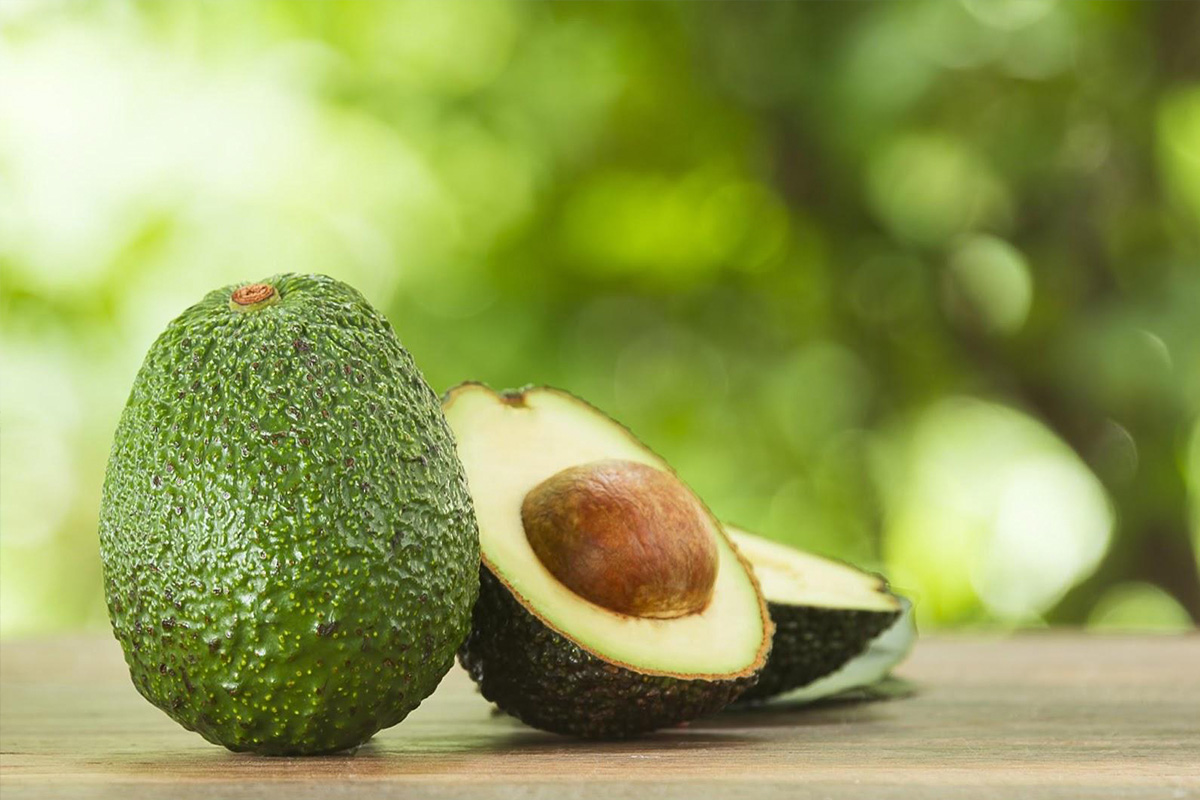
Avocado is a favorite fruit among many health-conscious people. It’s rich in nutrients that support healthy hair and skin and also high in healthy fat, dietary fiber, and protein. However, for some people, avocados may bring some unfavorable effects.
Nutritional Value of Avocado
Avocado is high in potassium; magnesium; vitamins A, C, E, K1, and B6; pantothenic acid; choline; lutein; zeaxanthin; and phytosterol. Its fat content breaks down to 71 percent unsaturated fatty acids, 13 percent polyunsaturated fatty acids, and 16 percent saturated fatty acids. These fatty acids help to maintain healthy blood lipid (HDL) levels and promote the absorption of fat-soluble nutrients.
Clinical studies have found that avocado can play a significant role in cardiovascular health, weight management, and anti-aging.
For most people, avocados should be an important part of their daily diet.
How Many Avocados Should I Eat?
So how many avocados should one consume every day?
Usually, eating half of a normal-sized avocado per day is good enough. That amounts to about 68 grams (2.4 ounces) and contains about 114 calories, 10.5 grams (0.4 ounce) of fat, and 4.6 grams (0.2 ounce) of dietary fiber. If a person’s daily calorie intake is about 2,000 calories, half of an avocado accounts for about 5 percent of the calories required for a day.
If your diet is balanced and nutritious, you don’t need to eat avocado daily. But if your diet lacks sufficient nutrients, then an avocado’s healthy unsaturated fatty acids, dietary fiber, vitamins, and antioxidants can boost your nutrition. If you’re an athlete, you may need more of these nutrients and can eat more avocado in moderation. However, if your diet is already well-balanced and you don’t exercise heavily, there’s no need to eat avocado every day; every other day may be a better option.
It’s worth mentioning that the macronutrient proportions of a ketogenic diet are usually 70 percent fat, 20 percent protein, and 10 percent carbohydrate. For those on a ketogenic diet, avocado is a reliable source of fat. However, as each person’s situation is different, the intake of avocado should be determined accordingly.
Who Should Avoid Avocado?
Although avocado is rich in all sorts of nutrients, a few groups of people must be extra careful eating it.
For example, people with latex allergies should be cautious about eating avocados. This is more common among middle-aged women whose daily work requires them to wear latex gloves. Eating avocados may make them more sensitive to allergic reactions to latex, causing allergic reactions to other foods, such as chestnuts and bananas. Allergic reactions may manifest as rash, vascular edema, hives, asthma, conjunctivitis, and oral allergic symptoms, such as itching and swelling of the tongue.
People dieting also need to be mindful about eating avocado because of its high calorie content.
Those who must maintain a certain level of cholesterol should also be careful. Avocado contains beta-lanosterol, a compound that may affect the absorption of cholesterol.
Finally, people with liver disease should also be cautious. Animal studies have found that excessive intake of avocado may lead to fatty liver in mice. The research mainly focused on a specific diet ratio according to the calorie content: 40 percent from fat, 40 percent from carbohydrates, and 20 percent from protein. This proportion causes fat accumulation in mice, and the group with the most intake of monounsaturated fatty acid was the most likely to develop fatty liver. Incidentally, most of the oil in avocados contains unsaturated fatty acids.
In general, it’s doubtful that people will consume such a large amount of avocado with carbohydrates simultaneously. So for most people, eating avocado is unlikely to lead to fatty liver.
Liver Benefits of Avocado
For people with normal liver function, eating an appropriate amount of avocado will benefit the liver.
First, avocado contains oleic acid, which helps to reduce the amount of “bad” cholesterol (LDL) in the body and may even improve HDL. In this way, while not directly affecting the liver, it brings indirect benefits.
Research shows that the compounds in avocado can help the body to produce the powerful antioxidant glutathione, which plays a significant role in detoxifying the liver, again another indirect liver-protective benefit.
Avocado also contains a variety of trace elements, vitamins, and antioxidants. These reduce chronic inflammation in the body, including liver inflammation.
The dietary fiber in avocado helps digestion and weight control, enhances insulin sensitivity, indirectly helps to control obesity, and also benefits heart health and blood pressure regulation. Therefore, avocados can reduce the risk of nonalcoholic fatty liver and some metabolic diseases. Studies have shown that avocado oil can alleviate nonalcoholic fatty liver disease by improving mitochondrial function and reducing oxidative stress and inflammation resulting from a high-fat, high-fruit-sugar diet.
To sum it up, avocado is a healthy addition to one’s diet in most cases, but those with latex allergies or liver disease, those who need to maintain a certain cholesterol level, and those who are dieting may need to be more mindful. The most important thing is to maintain a balance and have a moderate diet because all food can hurt health when consumed in excess.
Views expressed in this article are the opinions of the author and do not necessarily reflect the views of The Epoch Times. Epoch Health welcomes professional discussion and friendly debate. To submit an opinion piece, please follow these guidelines and submit through our form here.