



Highly pathogenic avian influenza (HPAI) has been detected in alpacas for the first time, the U.S. Department of Agriculture said on May 28.
The agency’s National Veterinary Services Laboratories confirmed cases of the H5N1 strain of influenza, also known as bird flu, in alpacas from a farm where infected poultry were killed in May.
The farm is located in Jerome County, Idaho, officials said. Four out of the 18 alpacas on the farm tested positive for H5N1. The alpacas had “close contact” with infected birds. None have died as of yet.
“While this HPAI confirmation is not unexpected due to the previous HPAI detection on the premises, the high amount of virus in the environment, and co-mingling of multiple livestock species on-farm, it is the first HPAI detection in alpacas,” the Department of Agriculture said in a statement.
Analysis of samples from the alpacas found the virus is the same type as the one that began circulating in cattle for the first time earlier this year or late last year and the same type that sickened the poultry that were later killed.
The cases were confirmed on May 16 but the government waited to announce them until scientists had performed gene sequencing. The sequences have been uploaded to the National Library of Medicine.
There are more than 266,000 alpacas in the United States, according to the Alpaca Owners Association.
“This is an unwelcome report that’s also not a huge surprise. Alpacas are known to be susceptible to influenza and this farm had been depopulated (culled) in May due to a poultry outbreak. Delayed reporting doesn’t help a rapid response, though,” Angela Rasmussen, a virologist, wrote on the social media platform X.
Since 2022, the bird flu has appeared in opossums, foxes, skunks, bears, and other species, according to the Department of Agriculture. The first case in mink was detected in April in Kentucky. The first squirrel case was detected in Arizona, and the first case in polar bears was detected in Alaska in 2023.
A growing number of cases have been confirmed in cattle and species that come into contact with them or drink their milk. The number of cattle herds with cases has risen to 67, across nine states, including Idaho, Michigan, and Texas, federal officials said.
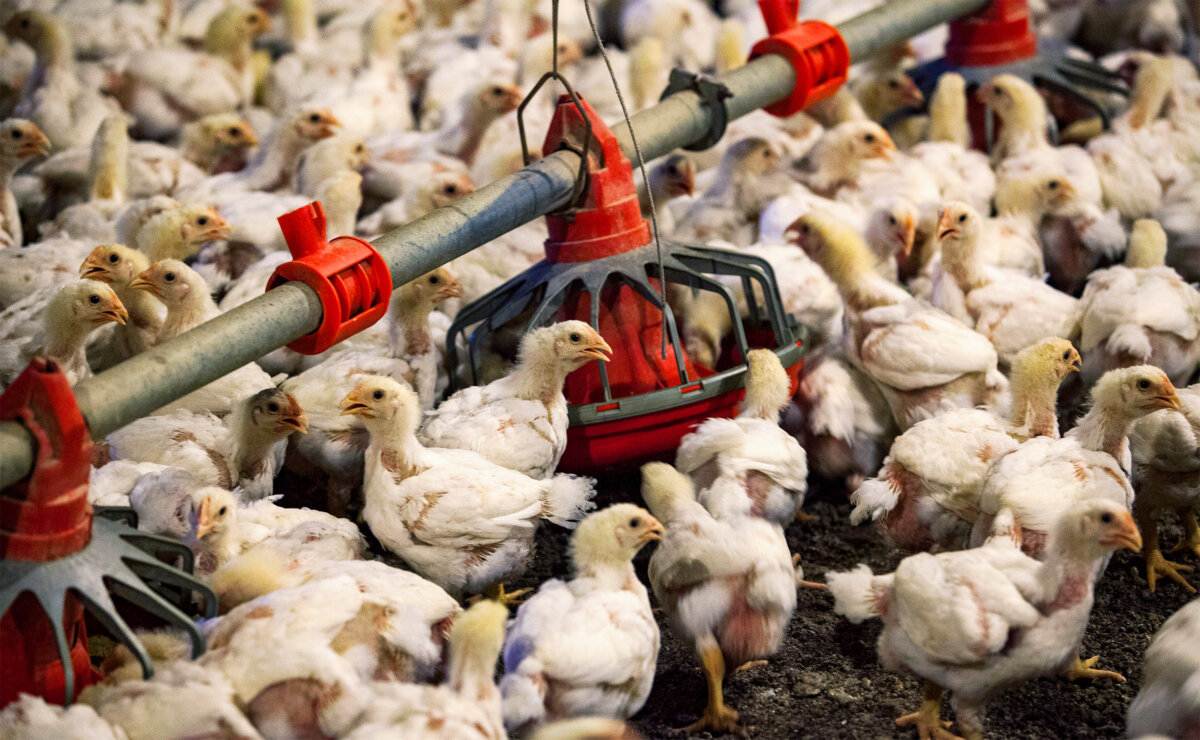
Numerous poultry flocks have had confirmed cases in those states and others, leading to mass culling of birds. A farm in Sioux County, Iowa, for instance, was killing 4.2 million chickens after the avian influenza was detected there, state officials said on Tuesday.
Overall, 92.34 million birds have been killed since the outbreak began in 2022, according to the Department of Agriculture.
Two more dead cats tested positive for HPAI, officials in Curry County, New Mexico, reported recently, although there was no apparent direct association with a dairy farm or poultry farm with infected animals. The cats were described as feral.
Authorities recommend farms heat-treat milk before feeding it to cats and other animals.
The second human case in the United States this year was recently confirmed in Michigan, and genomic testing uncovered a change that is “known to be associated with viral adaptation to mammalian hosts,” the U.S. Centers for Disease Control and Prevention said on May 24. The agency maintains that the risk to humans remains low in part because it appears the cases both stemmed from cows and there’s still no evidence of person-to-person transmission.
Only one other human case of bird flu has been confirmed in the United States. In 2022, a prisoner in a work program picked it up while killing infected birds at a poultry farm in Montrose County, Colorado. All three people who have been infected have recovered.
The Associated Press contributed to this report.