



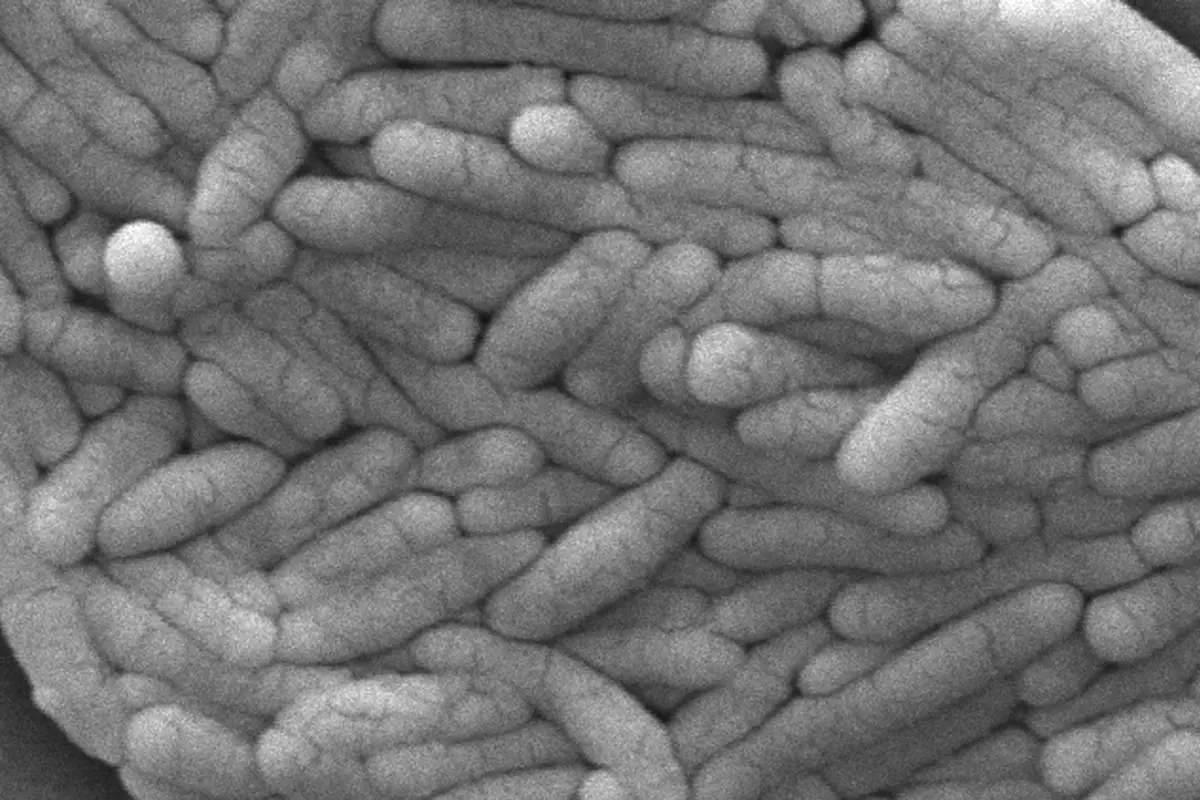
A multi-state salmonella outbreak linked to pet veiled chameleons has affected five children across four states, all of whom were exposed to the same strain of bacteria, the Centers for Disease Control and Prevention said in a May 7 statement.
“Reptiles are not recommended as pets for children under five as they are more likely to get a serious illness from germs that reptiles can carry,” the CDC said. “Veiled chameleons and other reptiles can carry Salmonella germs in their droppings even if they look healthy and clean. These germs can easily spread to their bodies and anything in the area where they live and roam.”
The CDC warned that people can get sick by touching the chameleon or anything in its environment and then touching the mouth or food, which transports Salmonella germs into the body.
All the sick children in the current outbreak are 2 years old or younger. According to the CDC’s investigation notice on the outbreak, out of the five infected children, two were hospitalized. No deaths have been reported.
Two of the sick children are from Nebraska, with one each from Iowa, Oklahoma, and Texas.
The CDC cautioned that the outbreak may not be limited to states with known illnesses since “many people recover without medical care and are not tested for Salmonella.” As such, “the true number of sick people is likely much higher than the number reported.”
The first infection case was reported around mid-February. Another child got sick in March, and the remaining three in April.
In its statement, CDC said that most people infected with Salmonella develop stomach cramps, fever, and diarrhea roughly six hours to six days after swallowing the pathogen.
In most cases, the illness lasts about four to seven days, with people recovering without treatment. However, in certain situations, an infected person may get hospitalized due to the severity of the illness. People with weakened immune systems, adults aged 65 and above, and children younger than 5 years are at higher risk of contracting severe illness.
The CDC recommended that people with pet chameleons wash their hands after handling the animal and the area where it lives, prior to holding or feeding a child. The agency asked owners not to eat or drink anything around their pets.
“Keep things clean. Clean your chameleon supplies outside the house, if possible,” the CDC said. “If you must clean the supplies indoors, don’t clean them in the kitchen or other areas where you eat or prepare food.”
The CDC estimates Salmonella causes around 1.35 million infections annually in the United States, the agency said in an October 2024 report. However, only one out of every 30 infections is estimated to be diagnosed since most infected people may not undergo lab testing.
In addition to stomach cramps, diarrhea, and fever, other symptoms of Salmonella infection include headaches, nausea, and loss of appetite.
The CDC recommended that people get in touch with their doctors in the case of diarrhea or vomiting lasting more than two days, bloody stool or pee, fever higher than 102 degrees Fahrenheit, or signs of dehydration.
When it comes to children, the CDC asked parents not to waste any time if there are signs of dehydration.
“Dehydration can happen quickly in young children. Give children with diarrhea or vomiting extra fluids, such as Pedialyte 2 or oral rehydration salts,” it said.
As for treating the condition, taking anti-diarrheal medication is one way to deal with diarrhea or cramps. However, the downside is that it can make the illness last longer. The agency advised people to talk to their health care provider before taking such medication.
People can also get better with antibiotics, which are given to treat cases of severe intestinal illnesses, according to the agency.
Last year, there was an outbreak of Salmonella infection linked to pet geckos, according to a Jan. 9 investigation update from the CDC.
A total of 113 people were infected in that outbreak across 36 states, with California accounting for the highest number of cases at 15 individuals, followed by Pennsylvania with 10.
Out of the 98 infected individuals whose information was available, 31 were hospitalized. There were no deaths linked to the outbreak.