



People should be careful when using powdered infant formula, the Centers for Disease Control and Prevention said in a new paper.
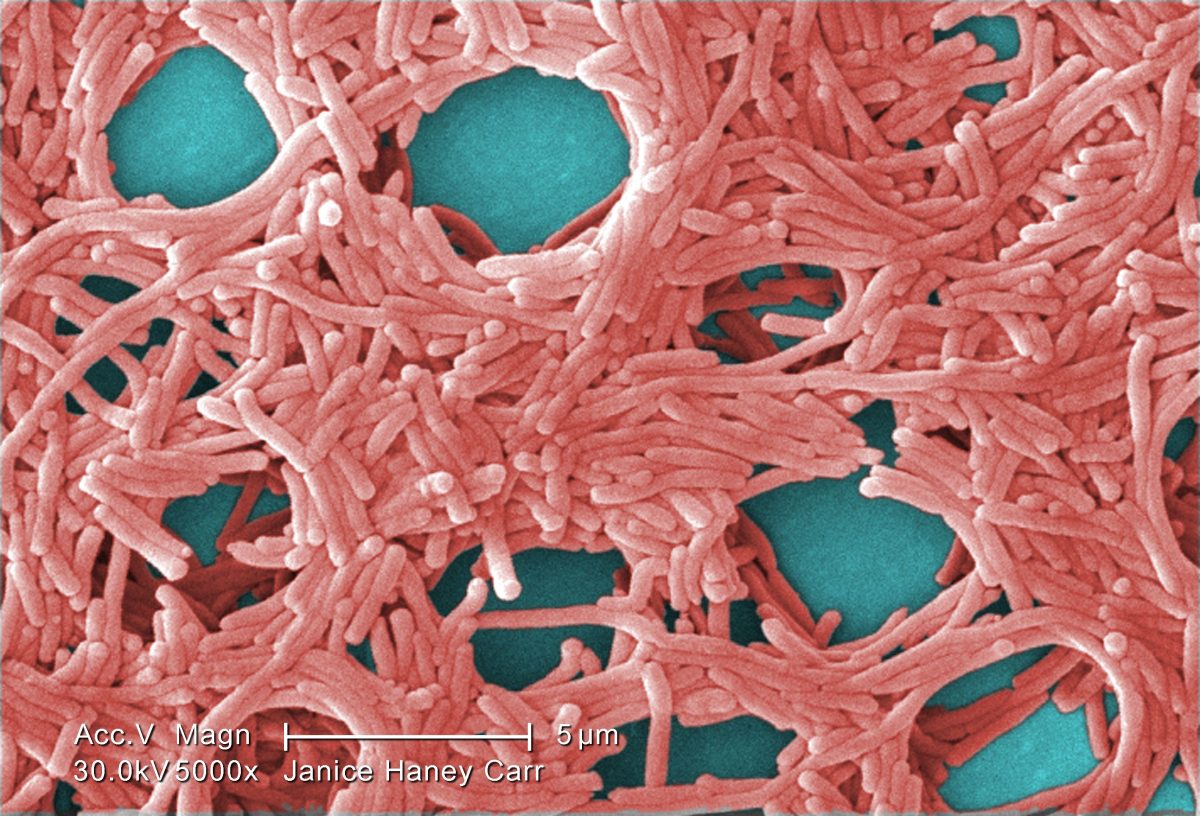
An infant contracted Legionnaires’ disease, a serious pneumonia caused by inhaling or aspiration of Legionella bacteria, researchers with the CDC, the Maryland Department of Health, and Georgetown University Hospital’s Division of Pediatric Infectious Diseases said in the paper, which was published on June 18 by the CDC’s quasi-journal.
The 9-month-old girl was admitted to Georgetown University Hospital in Washington in October 2025 with a serious condition called juvenile idiopathic arthritis macrophage activation syndrome but improved with treatment and was discharged after approximately three weeks.
After returning home, the infant was fed powdered infant formula that was prepared using a mixing device, which holds water and powdered formula and can quickly prepare warm formula that has no clumps and is ready to drink.
The girl was taken to the hospital again on Nov. 17, 2025. She was suffering from fever, abnormal breathing, and chest retractions.
Testing came back positive for Legionella bacteria.
The water at the hospital did not test positive for the bacteria, while water from the reservoir that is part of the mixing device tested positive for it, Chris Edens, a CDC epidemiologist with the agency’s Division of Bacterial Diseases, and other researchers said in the report.
The reservoir’s water was 106 degrees Fahrenheit and the girl’s parents said they had not emptied or drained it for more than 30 days.
Water from the kitchen faucet, used to fill the device, also tested positive for bacteria that causes Legionnaires’ disease.
“Household devices that retain warm water are possible Legionella bacteria sources and might pose a health risk, especially for persons with immunocompromising conditions,” the researchers said. “For infants with immunocompromising conditions who are fed reconstituted powdered formula, water should be heated to ≥158°F (≥70°C) before mixing to reduce risk for exposure to or infection with other bacteria in the formula.”
Another recommendation is to cool prepared formula before giving it to infants to prevent scalding.
“Manufacturers might consider revising their device design and instructions to reduce the risk for bacteria growth by recommending additional routine reservoir maintenance and emphasizing risks associated with use of unboiled tap water to prepare infant formula, especially for infants with immunocompromising conditions,” the researchers stated.
Limitations of the research included sampling happening about two weeks after the onset of illness.
The infant ultimately survived. She was discharged, readmitted, and discharged again for the final time on Dec. 24, 2025.
The CDC has said that any papers published in the quasi-journal, or the Morbidity and Mortality Weekly Report, are shaped by CDC officials to align with the agency’s messaging.
Authors declared no conflicts of interest. No funding sources were listed.