



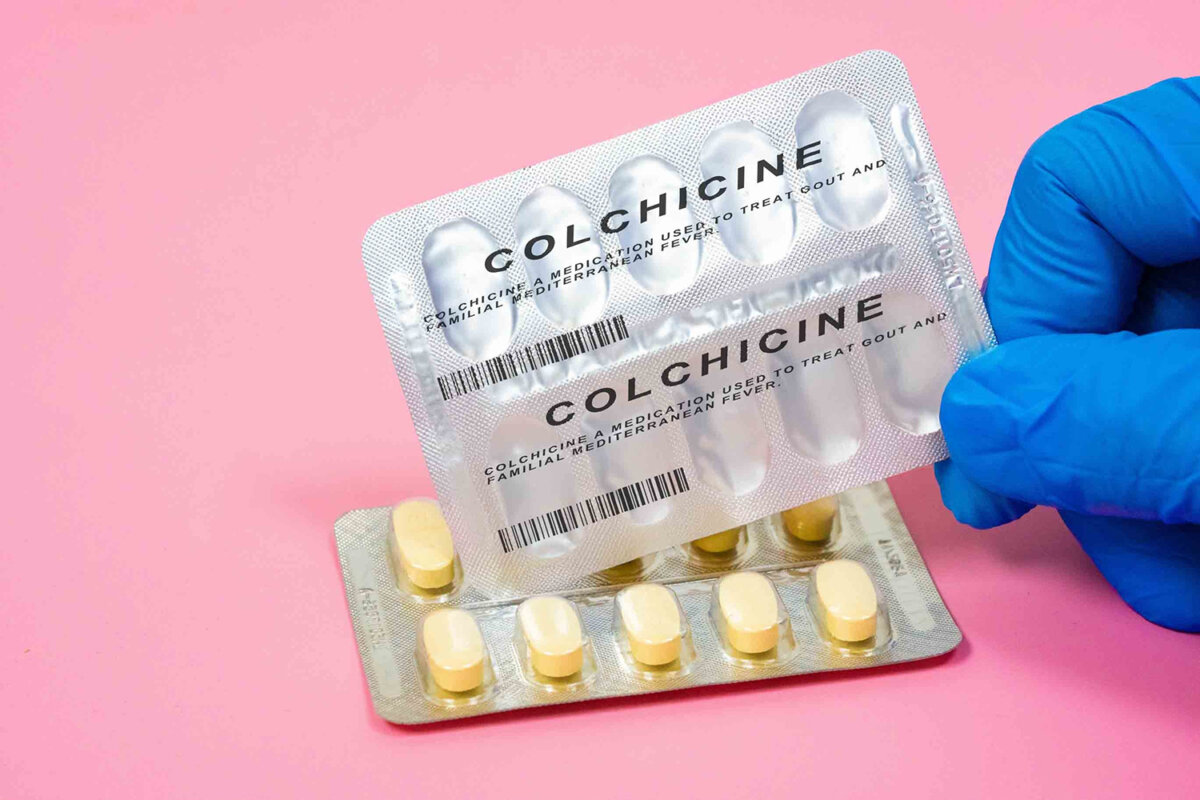
A cheap gout medication could prevent thousands of heart attacks and strokes each year, according to a review.
The review analyzed 12 studies and found that low-dose colchicine, when added to standard heart medications, reduced the risk of cardiovascular events with minimal side effects. For every 1,000 people treated, there were nine fewer heart attacks and eight fewer strokes compared with those not taking the drug.
“Among 200 people with cardiovascular disease—where we would normally expect around seven heart attacks and four strokes—using low-dose colchicine could prevent about two of each,” said Dr. Ramin Ebrahimi, a cardiologist and colead author, in a statement.
How the Drug Works
Cardiovascular disease, which often involves ongoing low-level inflammation, can lead to recurrent events such as heart attacks and strokes. Colchicine’s ability to reduce inflammation makes it a promising option for people at elevated risk.
The review, published in November in the Cochrane Library, analyzed nearly 23,000 older adults with a history of heart disease, heart attack, or stroke. About 80 percent were men. Half of the participants took colchicine at doses of 0.5 milligrams once or twice daily for at least six months, while the others received a placebo or no additional treatment alongside their usual care.
Minimal Side Effects
The authors estimated that among 1,000 treated people, there were nine fewer heart attacks and eight fewer strokes compared with those not taking the drug. The main side effects seen with this drug were mild stomach upset or diarrhea, and these were usually short-lived, Dr. Neil D. Shah—a cardiologist at Sandra Atlas Bass Heart Hospital, part of Northwell Health—who was not involved in the study, told The Epoch Times.
“Importantly, the large clinical trials showed no increase in serious complications compared with placebo,” he said.
“This is strong, consistent evidence that a simple, inexpensive drug can meaningfully reduce the risk of heart attack and stroke for the right patient, and always as part of a broader treatment plan,” Shah said.
In all major studies, colchicine was added to standard heart medications such as statins, aspirin, and blood pressure therapies without safety concerns.
“The only caveat is that colchicine can interact with a few specific medications, so a doctor should review a patient’s full medication list to ensure everything stays safe,” Shah said.
“Colchicine isn’t a replacement for standard therapy,” he said. “But it’s becoming a powerful, low-cost addition for appropriately selected patients who remain at higher cardiovascular risk.”
The researchers noted that evidence is less clear regarding whether colchicine affects overall death rates or the need for heart procedures such as coronary revascularization, a group of treatments or procedures that restore blood flow to areas of the heart that aren’t getting enough blood. The studies also did not provide information on whether the drug improves quality of life or reduces hospital stays.
Colchicine, an inexpensive and well-established medication, presents a new potential use for preventing future cardiac events. Since heart disease is the leading cause of death worldwide, this discovery offers hope for more accessible treatment options.