




Do you often experience weakness, fatigue, rapid heartbeat, and cold hands and feet? These could be symptoms of anemia.
Cases of unexplained anemia are often linked to gastrointestinal issues, according to Dr. Wu Guobin, the superintendent of Xinyitang Heart Clinic in Taiwan. In the Epoch Times health program “Health 1+1”, Dr. Wu said that by adjusting dietary habits and incorporating Chinese herbal dietary therapy, it is possible to improve anemia problems in a short period.
Red blood cells are responsible for transporting oxygen throughout the human body. If the number of red blood cells or the hemoglobin within them is too low, it can result in inadequate oxygen supply to the body. Wu pointed out that hemoglobin levels below 13.0 g/dL for adult males and below 12.0 g/dL for non-pregnant females are indicative of anemia.
Common symptoms of anemia include fatigue, shortness of breath, dizziness, rapid or irregular heartbeat, pulsing or ringing in the ears, headaches, cold hands and feet, chest pain, and pale or yellowish skin. Additionally, symptoms such as muscle wasting, dry skin, lackluster hair, numbness in limbs, reduced physical agility, forgetfulness, insomnia, vivid dreams, irritability, and palpitations might also occur. In more severe cases, mental confusion, delirium (acute mental confusion), and fainting may present.
Wu explained that the causes of anemia can be categorized into three types:
- Blood loss—such as that caused by trauma (e.g., severe car accident), gastrointestinal bleeding, hemorrhoids, or excessive menstrual bleeding.
- Reduction in the production of red blood cells, which can be caused by factors like iron and vitamin B12 deficiencies, thalassemia, as well as various bone marrow-related diseases or tumors.
- An increase in the breakdown of red blood cells, potentially caused by genetic abnormalities (like sickle cell anemia), infections (like malaria), or autoimmune diseases.
A Soup to Treat Anemia
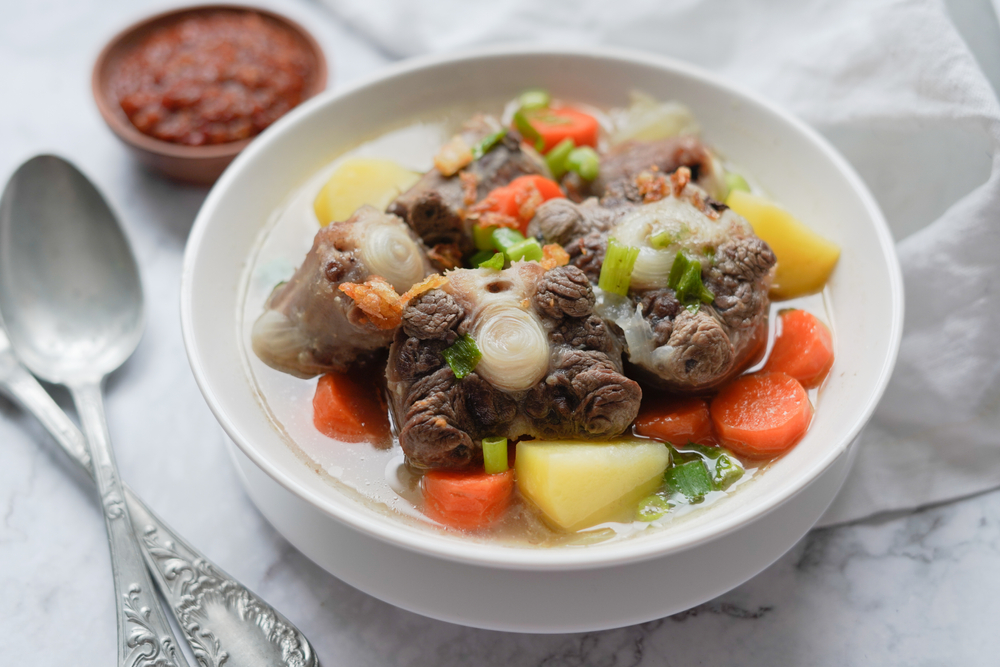
Dr. Wu once treated a 30-year-old female patient who had been experiencing mild anemia for an extended period. Her symptoms included low menstrual flow, frequent dizziness, and palpitations. Alarmingly, her hemoglobin level was around 9g/dL. Despite taking folic acid, vitamin B12, iron supplements, and attempting dietary adjustments, her hemoglobin levels consistently remained low. Dr. Wu recommended that she consume a soup made from oxtail, a handful of astragalus, and a piece of Chinese angelica. After consuming this soup for less than a week, her hemoglobin levels returned to normal.
So, how does this soup help improve anemia? The recipe finds its roots in the “Danggui Buxue Tang” formula devised by the renowned 13th-century medical practitioner, Li Dong-Yuan. Dr. Wu explained that according to Traditional Chinese Medicine (TCM), the guiding principle is to first strengthen the body’s qi in order to nourish the blood effectively. Astragalus can enhance qi, while Chinese angelica can nourish the blood. This formula heavily employs astragalus, with a ratio of approximately 5 parts astragalus to 1 part Chinese angelica, aiming to strengthen qi and thus enhance the blood-nourishing effect.
In TCM, the constantly flowing energy within the human body is referred to as qi. In addition to being inherited from parents, a person’s qi also derives from the nutrients acquired and the oxygen inhaled after birth.
The Link Between Digestive System and Blood Formation
Wu explained that in TCM, the generation of blood primarily relies on the essence of water and grain, as well as kidney essence. The essence of water and grain refers to the nutrient essence produced through the digestion and absorption of food in the gastrointestinal tract, while kidney essence refers to the vital substances and energy stored in the kidneys.
The process of blood formation is closely related to the functions of various internal organs, including the heart, lungs, liver, and kidneys. However, the most important organs for blood production are the spleen and the stomach, which are part of the digestive system. Therefore, individuals with poor gastrointestinal health are more likely to develop anemia, and these issues need to be addressed by improving the health of their digestive system.
Wu also recounted a case involving his mother, who had experienced unexplained anemia, necessitating a monthly blood transfusion. However, bone marrow tests revealed no abnormalities. Therefore, he administered traditional Chinese herbal medicine to strengthen her spleen, stomach, and qi, resulting in some improvement. The frequency of blood transfusions was extended to once every two months. Subsequently, by incorporating kidney-nourishing herbs into the treatment, his mother’s condition continued to improve, and she only required a blood transfusion every three months.
In the end, Wu’s mother’s recovery took an unexpected turn. “One day, my sister gave my mother a digestive enzyme supplement, and her gastrointestinal health improved. From that point on, she no longer needed blood transfusions.” This experience left a lasting impression on him, highlighting that as gastrointestinal health improved, the issue of anemia resolved itself without the need for further medication.
His mother’s experience also reminded him of the “Intestinal Hematopoiesis Theory” proposed by Japanese physician Keiiti Morisita. Dr. Morisita believed that the human body’s primary source of hematopoiesis (blood cell production) is in the intestines. Food, broken down by enzymes into chyme, is absorbed by the epithelial cells of the small intestine’s villi. After undergoing a series of changes, these cells give rise to erythroblast cells, which adhere to the capillary walls and release red blood cells. Dr. Wu believes that this unique theory can provide an alternative approach to treatment for anemic patients with normal bone marrow.
Research Confirms Intestinal Hematopoiesis Function
In recent years, more research has confirmed the close relationship between the intestines and hematopoietic function (formation of blood cellular components). A study published in the journal Blood in 2017 found that impaired intestinal microbiota can lead to abnormal hematopoietic function. Mice raised in germ-free conditions and mice treated with antibiotics both lacked normal gut microbiota and exhibited symptoms such as anemia, thrombocytosis, and leukopenia.
Another study published in the journal Cell Stem Cell in 2019 found that the intestine contains hematopoietic stem and progenitor cells (HSPCs). Researchers from Columbia University conducted a 5-year follow-up on 21 patients who underwent intestinal transplants. They detected donor-derived HSPCs in tissues and organs such as the intestinal mucosa, Peyer’s patches, mesenteric lymph nodes, and liver of the recipients over the long term. Interestingly, the blood cells from the donor could coexist with the patient’s own blood cells. The study found that the human intestine contains hematopoietic stem cells and multiple types of progenitor, suggesting the intestines may play an important role in hematopoietic function and anemia.
The Two Most Damaging Habits for the Digestive System
So, how can we maintain gastrointestinal health to prevent anemia? According to Dr. Wu, the most crucial factor is to follow a healthy diet. He believes that two types of individuals are more susceptible to digestive system issues: those who overeat and those who eat too quickly. Overeating can harm the stomach and intestines, hindering the absorption of essential nutrients. Similarly, eating too quickly prevents proper chewing of food, thus hindering absorption. This can result in food decomposition within the intestines, producing various toxins.
Dr. Wu suggests adhering to the following dietary habits:
1. Eat a balanced diet
According to the classic Chinese medical text, “Huangdi Neijing” (also known as the “Yellow Emperor’s Classic of Internal Medicine”), one’s diet should mainly consist of whole grains and cereals, with fresh vegetables, fruits, and some meats and seafood as supplementary foods, in order to achieve nutritional balance. He emphasized the benefits of consuming vegetables for gastrointestinal health.
2. Maintain 70 to 80 percent fullness
Maintain a level of fullness at around 70 to 80 percent during each meal, keeping your stomach slightly empty.
3. Chew food thoroughly
When eating, make sure to chew your food thoroughly until it reaches a pulp-like consistency before swallowing. Chewing extensively boosts saliva production, which contains enzymes that aid in digestion. Additionally, focus on your meal and avoid distractions such as chatting, using your phone, or watching television while eating.
4. Engage in moderate movement after meals
Avoid lying on the couch and watching television after eating. Instead, engage in light movement or walking. Dr. Wu specifically advised men who do not often do household chores to wash the dishes after meals. This can not only bring joy to your spouse but also promote digestion.
Blood-Nourishing Recipes
In addition to the previously mentioned oxtail soup, Dr. Wu shares two dietary therapy recipes for anemic patients, including a tea recipe for vegetarians:
1. Blood-nourishing soup
Ingredients:
- 5 and a 1/4 cups water
- 30g Astragalus root
- 6g Chinese Angelica root
- 10g ginger (optional)
- 6 to 8 pieces blanched oxtail
Directions:
Bring the ingredients to a boil, reduce heat, and let them simmer for 30 minutes. Afterward, strain to remove herbal residues. Add blanched oxtail and continue to cook until tender.
Astragalus root, known for its ability to strengthen qi, often yields beneficial results for patients who experience fatigue and weakness after recovering from serious illnesses. A double-blind, randomized, controlled preliminary study revealed that astragalus root can help improve fatigue and enhance the quality of life for patients with post-stroke fatigue. Additionally, several studies have found that the consumption of astragalus-based Chinese herbal medicine can reduce mortality rates among cancer patients and alleviate the side effects of radiation and chemotherapy.
Chinese Angelica is a commonly used herb for nourishing blood and promoting circulation. Modern research has shown that Chinese Angelica possesses antioxidant, anticancer, and immunoregulatory activities.
For patients who are not suited to consume oxtail soup or are following a vegetarian diet, Dr. Wu recommends an alternative blood-nourishing tea:
2. Blood-nourishing tea
Ingredients:
- 10g of ginseng (Korean ginseng, American ginseng, or Dangshen)
- 3 to 5 longan fruits
- 10g of goji berries
- 10g of dwarf lilyturf or yu zhu (optional)
Directions:
Boil the ingredients in water or simply steep them in hot water. If the tea causes dryness in the mouth and throat, you can add 10g of dwarf lilyturf or yu zhu.
Additionally, Dr. Wu offered some dietary recommendations. According to the doctor, red-colored foods such as apples, carrots, red dates, goji berries, and beef are beneficial for blood nourishment and should be consumed more frequently. However, cancer patients should avoid excessive beef consumption due to its potential carcinogenic risk, which could increase the likelihood of cancer recurrence.
Some herbs mentioned in this article may be unfamiliar, but are generally available in health and Asian grocery stores. It is important to note that treatment methods may vary depending on the individual. Please consult with a health care professional for a specific treatment plan.
Views expressed in this article are the opinions of the author and do not necessarily reflect the views of The Epoch Times. Epoch Health welcomes professional discussion and friendly debate. To submit an opinion piece, please follow these guidelines and submit through our form here.