



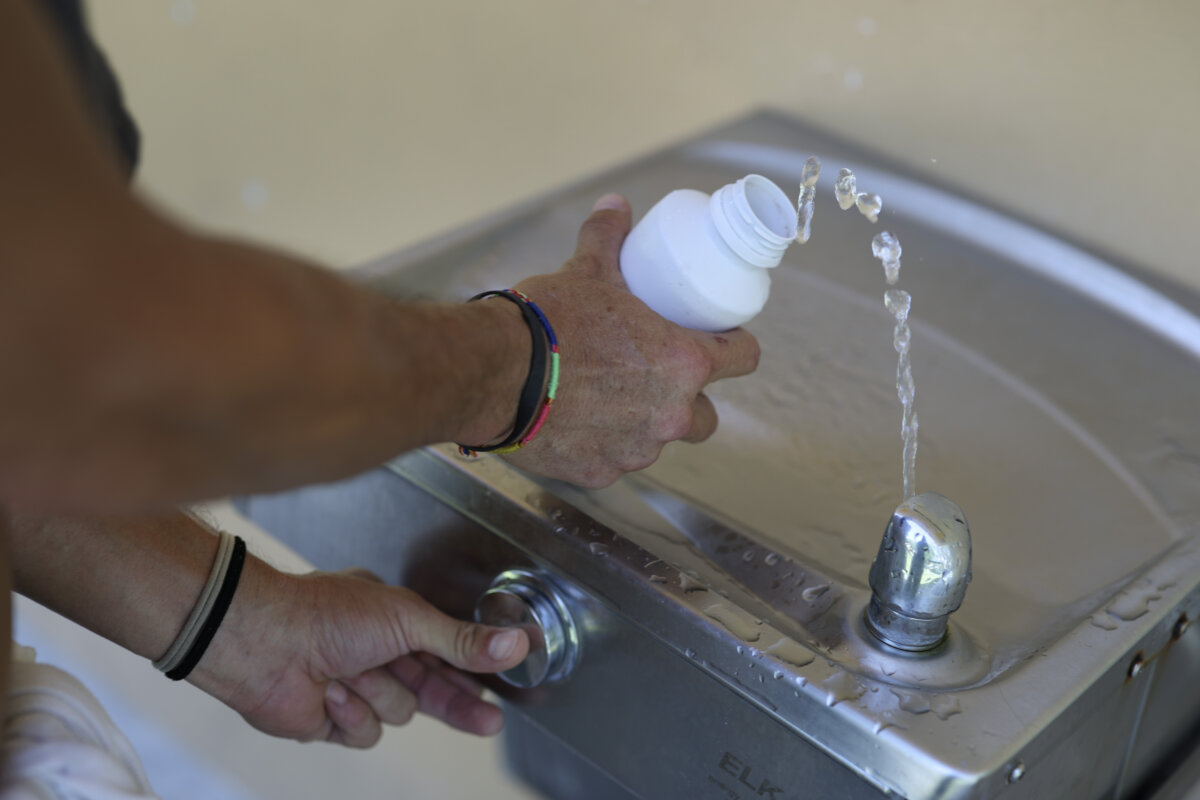
The Environmental Protection Agency (EPA) is going to assess the safety of adding fluoride to water, according to a new notice from the agency.
EPA officials will complete a human health toxicity assessment that will involve reviewing available scientific information “on the potential health risks of fluoride in drinking water,” the notice, published Jan. 28 on the Federal Register, says.
The objective of the assessment is to figure out how much fluoride a person can be exposed to and still be unlikely to experience health problems.
Once finalized, the fluoride toxicity assessment can be used by the EPA, states, and others, including possibly revising existing recommendations from the Centers for Disease Control and Prevention for fluoride in water.
Fluoride is a mineral that is added to water in much of the United States to prevent tooth decay and cavities. The CDC says on its website, last updated in 2024, that adding fluoride to water at the recommended levels “maximizes fluoride’s oral health benefits while minimizing potential harms, such as dental fluorosis.”
EPA Administrator Lee Zeldin and Health Secretary Robert F. Kennedy Jr., in April 2025, announced the EPA would expeditiously review new scientific information on fluoride and water, including a 2024 report from the National Institutes of Health that concluded with moderate confidence that higher levels of fluoride exposure were linked to lower IQ in children.
In the Make America Healthy Again Commission strategy report, released later in 2025, Trump administration officials said the EPA would “review new scientific information on potential health risks of fluoride in drinking water” and that the CDC, overseen by Kennedy, would update recommendations on fluoridated water based on scientific reviews by the EPA and NIH.
“The Trump EPA is working in lockstep with Secretary Kennedy and following gold standard science to guide our next steps to protect drinking water under the Safe Drinking Water Act,” Zeldin said in a Jan. 22 statement regarding the EPA’s plan to complete a toxicity assessment.
“A growing body of evidence indicates that ingesting fluoride can cause neurological harm, and other adverse effects,” Kennedy said. “Fluoride’s benefits to teeth come almost entirely from topical contact, not from ingestion. Most of Europe has already moved away from water fluoridation in favor of topical products such as toothpaste, and it may well be time for the U.S. to follow suit.”
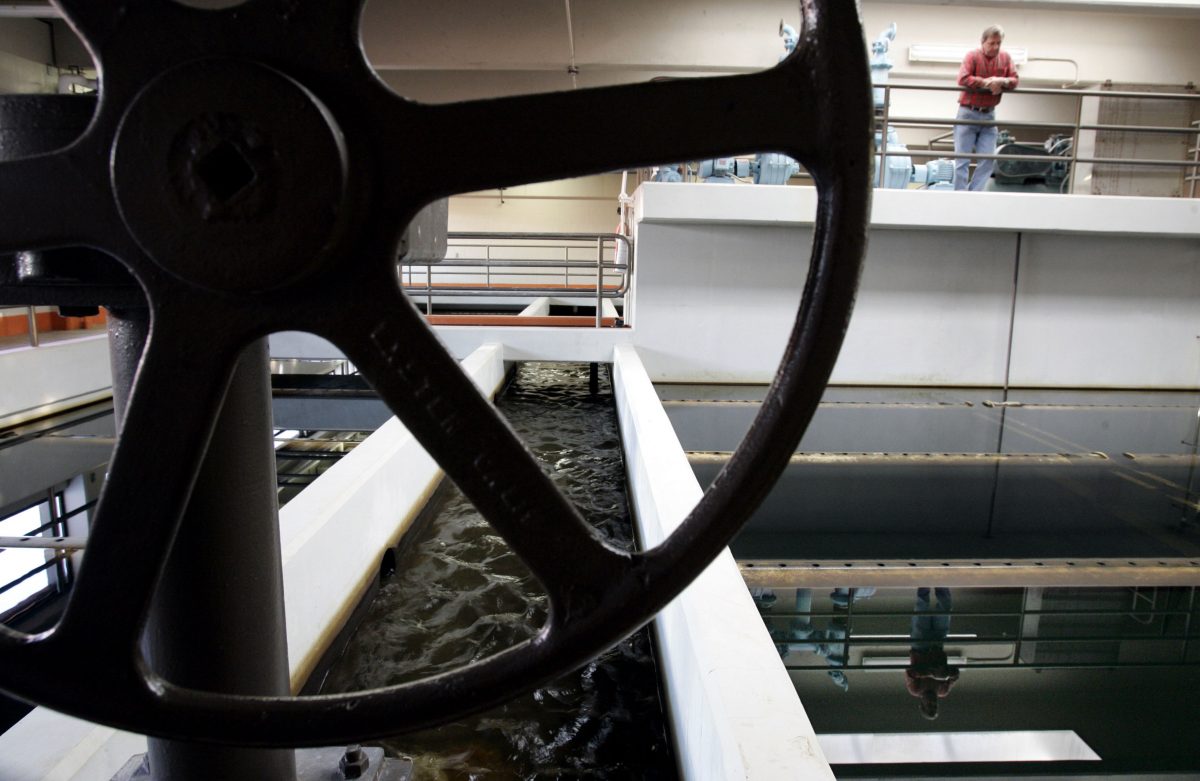
People can submit comments on the EPA’s fluoride assessment plan for 30 days. Afterward, the EPA will consider the comments while developing a protocol for systemically reviewing available scientific information. After developing the protocol, EPA officials plan to use it to develop a draft toxicity assessment. That draft will be released for peer review and public comment. The EPA will then consider the peer review and comments before publishing a final assessment.
Under the Safe Drinking Water Act, the EPA limits contaminants in water. It set the maximum level for fluoride at 4 milligrams per liter in 1986, and chose not to change the level after a 2024 review. The CDC’s recommended optimal level of fluoride in water is 0.7 milligrams per liter.
The new plan comes as the EPA appeals a federal judge’s 2024 ruling that ordered the EPA to act on new evidence indicating the recommended level of water fluoridation poses an unreasonable risk of reduced IQ in children.
In a Jan. 22 brief, government lawyers said that under the law, the plaintiffs should have attempted to resolve the matter first with the EPA before going to court.
Oral arguments are slated to take place on March 3.