



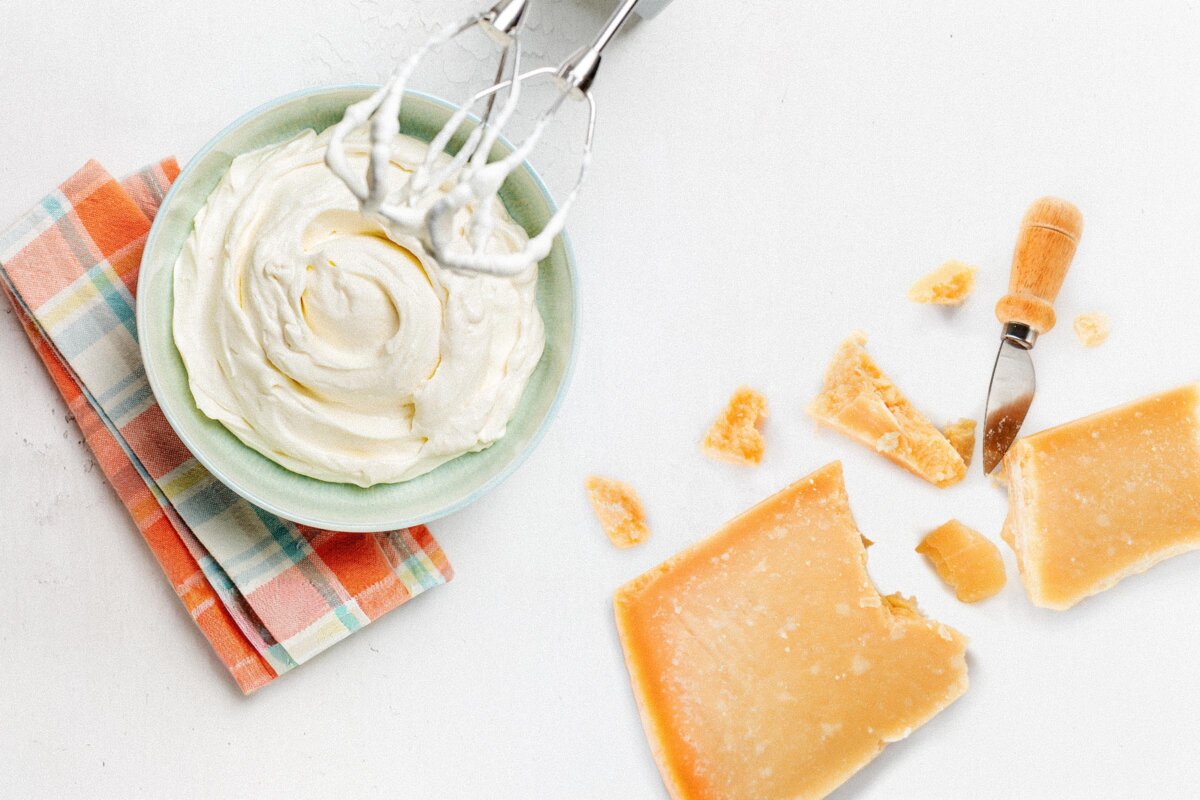
A 25-year study of nearly 28,000 people has upended common assumptions about cheese and brain health. Higher intake of high-fat cheese and cream was linked to a modestly lower long-term risk of dementia, while low-fat dairy and most other dairy products showed no clear link with dementia risk.
“This [finding] challenges the idea that lower-fat dairy is always the better choice for brain health,” Emily Sonestedt, co-author of the study, told The Epoch Times.
The Dairy Debate Isn’t Black and White
The research, published in Neurology, found that people who ate 50 grams or more of high-fat cheese daily had a slightly lower risk of dementia compared with those who ate less than 15 grams.
Those who ate 20 grams or more of high-fat cream daily had a 16 percent lower risk than nonconsumers.
The protection was strongest against vascular dementia—the type caused by impaired blood flow to the brain. High cheese consumers had a 29 percent lower risk of this subtype, despite saturated fat’s well-established link to cardiovascular problems.
High-fat cream was also associated with a modestly lower overall dementia risk at 16 percent.
Of the 27,670 participants, about 10 percent developed dementia during the 25-year study period. Participants reported their diet at the start of the study using a food questionnaire, an interview, and a seven-day food diary.
In this study, high-fat cheeses are those that contain a fat content of 20 percent or more—such as Gouda, Brie, and cheddar. Creams with a fat content of 30 percent or higher were classified as high-fat cream, including whipping, clotted, and double cream.
The study is observational and cannot prove cause and effect, according to the researchers.
“The results should instead be seen as reassuring. Moderate consumption of these foods does not appear to harm brain health and may be part of a dietary pattern associated with lower risk,” Sonestedt said.
Why Cheese May Behave Differently Than Other Sources of Saturated Fats
Standard nutritional advice usually advises against high-fat dairy because it contains saturated fat. However, the new study indicates that not all fats are the same.
“The food source of saturated fat matters,” Sonestedt said.
One possible explanation lies in the concept of the food matrix—that food is more than its individual components. Food contains different nutrients and structures, and they’re packed and interact differently, which affects how our bodies digest and metabolize food.
In cheese, fat, protein, calcium, and other bioactive compounds are bound within a complex matrix.
Fat in cheese is released slowly during digestion, leading to smaller and more gradual rises in blood fats after a meal. Firmer cheeses, she noted, tend to slow this process more than softer ones. Slower increases are easier on the vascular system—especially in the brain, which depends on a dense network of small vessels. Protecting these vessels may help reduce dementia risk.
A randomized controlled trial found that when dairy fat was consumed as cheese, cholesterol levels were lower than when the same fat and nutrients were consumed in a more rapidly absorbed form, such as butter.
Another clinical trial found that cholesterol levels were lower after eating cheese than after eating butter, even when both contained the same amount of saturated fat—likely because fat from cheese is digested more slowly.
Low-Fat Isn’t Simply High-Fat Minus the Fat
Removing fat from cheese doesn’t just reduce calories; it fundamentally alters the food itself. Low-fat versions of cheese have different textures and require different processing, which may reduce the availability of beneficial compounds.
For instance, a study shows that fat-free and reduced-fat dairy products contain much lower levels of fat-soluble vitamins, such as vitamin K, than their full-fat counterparts. Some antioxidant compounds, such as vitamins A and E, are also fat-soluble and tend to be retained in the fat portion of dairy foods.
Dietary fat is needed for the body to properly absorb fat-soluble vitamins in the small intestine.
Processing matters increasingly when evaluating health outcomes. Minimally processed and fermented dairy foods are more often associated with neutral or beneficial cardiometabolic effects, while processed foods—characterized by refined ingredients and disrupted food matrices—are consistently linked to increased risk of obesity, Type 2 diabetes, cardiovascular disease, and all-cause mortality.
The cheeses commonly eaten in Sweden, where the study was done, are typically fermented and eaten uncooked—factors that may matter.
“Fermentation can produce bioactive peptides, and some cheeses contain fat-soluble vitamins such as vitamin K2,” Sonestedt said.
In contrast, cheese in the United States is more commonly melted or cooked alongside meat-heavy meals, which can alter its structure and release fat from protein.
Context Matters More Than Any Single Food
The study found a higher dementia risk when participants replaced cheese with milk, fermented milk, processed meat, and high-fat red meat, echoing results from similar studies showing that swapping cheese for more processed foods may be a relatively healthier choice.
However, this doesn’t mean that high-fat cheese is universally heart-healthy. While cheese may be a healthier option compared to less healthy foods, it does not mean that cheese is the optimal food for brain health.
Context matters, according to Sonestedt.
“Cheese eaten as part of regular meals within a balanced diet is very different from cheese consumed alongside processed meats or fast food,” she said.
In terms of an overall heart-healthy diet, Dr. Tian-Shin Yeh, a nutritional epidemiologist, attending physician, and associate professor of medicine at Taipei Medical University, who wrote an editorial on the study, recommended keeping saturated fat low and avoiding trans fats while getting essential fatty acids from sources such as nuts, seeds, and fatty fish.
“Keeping consumption of dairy foods relatively low and emphasizing healthy plant sources of protein and fat is a good overall strategy for health,” she told The Epoch Times.
While the study suggests that cheese may play a protective role within a balanced diet, dementia risk ultimately reflects the combined effects of diet and lifestyle over decades rather than the impact of any single food choice, Sonestedt said.