



There is little better than a good night’s sleep. Quality sleep is essential for human health. However, in today’s fast-paced world, our sleep quality is often compromised. Factors including stress, anxiety, stimulants, eating or staying up late, and the use of electronic devices can lead to insomnia.
Research indicates that good sleep quality has many positive effects, including reduced fatigue, and increased sense of relaxation. Good sleep supports a healthy immune system, improves mood and brain performance, and bolsters positive relationships. Inadequate sleep can lead to fatigue, irritability, slowed responses, daytime dysfunction, and increased caffeine and alcohol intake.
If you’re looking for simple and effective ways to promote restful sleep throughout the night that leaves you feeling refreshed and energized in the morning—read on.
Acupoint Therapy
A study conducted in February confirmed that the use of various acupoint stimulation methods can change the brain’s local electrical activity, suppress the central nervous system, and achieve deep sedation by stimulating the related acupoints. The researchers also found that acupoint therapies effectively improved sleep quality in patients after surgery.
Acupoint therapy is one of the oldest medical methods in traditional Chinese medicine (TCM) and is gradually gaining recognition among medical practitioners worldwide. Modern acupoint therapy methods include acupressure, acupuncture, and electroacupuncture.
2 Essential Acupoints for Promoting Sleep
The Shenmen acupoint and the Sanyinjiao acupoint are both associated with the mind and the endocrine system. The Shenmen acupoint is located in the center of the palm, while the Sanyinjiao acupoint is located about four finger widths above the inner ankle. These two acupoints play a role in regulating emotions and hormonal balance. Pressing them simultaneously can help relax your mind and promote restful sleep.
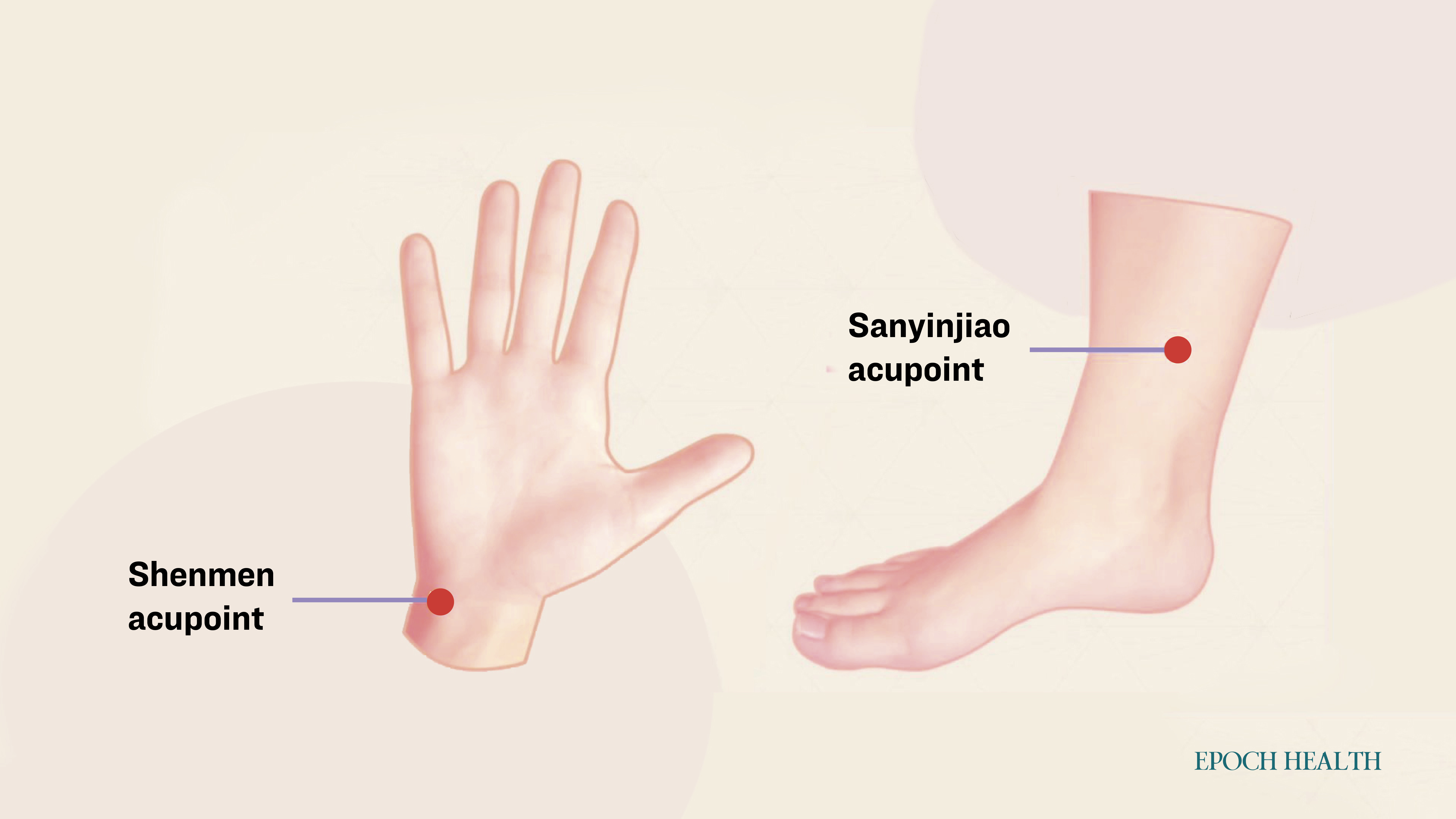
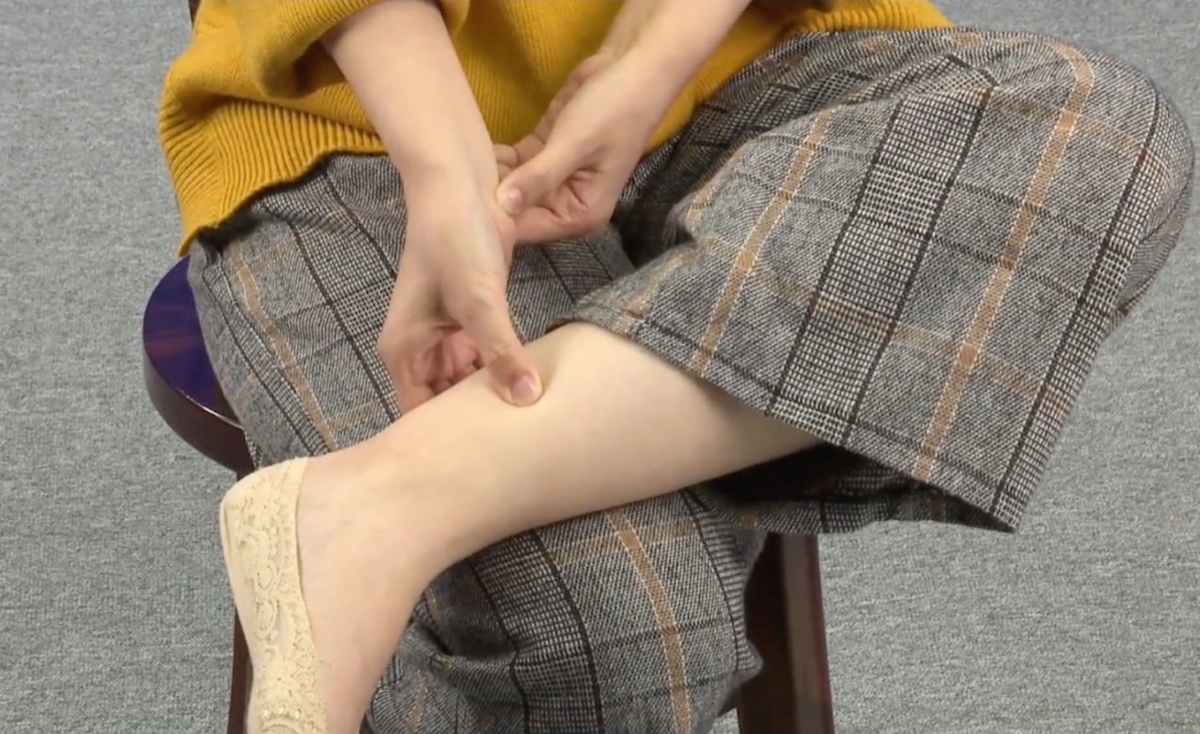
Instructions: Using one hand, gently massage the Shenmen acupoint on the wrist, while using the fingertips of the other hand to press down on the Sanyinjiao acupoint in the lower leg. Apply pressure for about 3 minutes, then switch sides and repeat.
Sitting Meditation and Mindfulness Practice
Over the years, numerous studies have shown that meditation is effective in treating certain aspects of sleep disturbance.
Mindfulness meditation is a beneficial relaxation technique that can help regulate physiological indicators such as breathing, heart rate, and blood pressure. It can also promote emotional calmness, clarity of thought, and focused awareness.
Meditation can also promote the development and activation of the pineal gland, an endocrine organ located at the center of the brain. This gland is responsible for secreting melatonin, a hormone that regulates the sleep-wake cycle and plays a role in enhancing the immune system.
Allocating time for daily meditation can increase the levels of melatonin within the body, thereby enhancing the quality of sleep.
Consume Sleep-Promoting Foods Rich in Melatonin
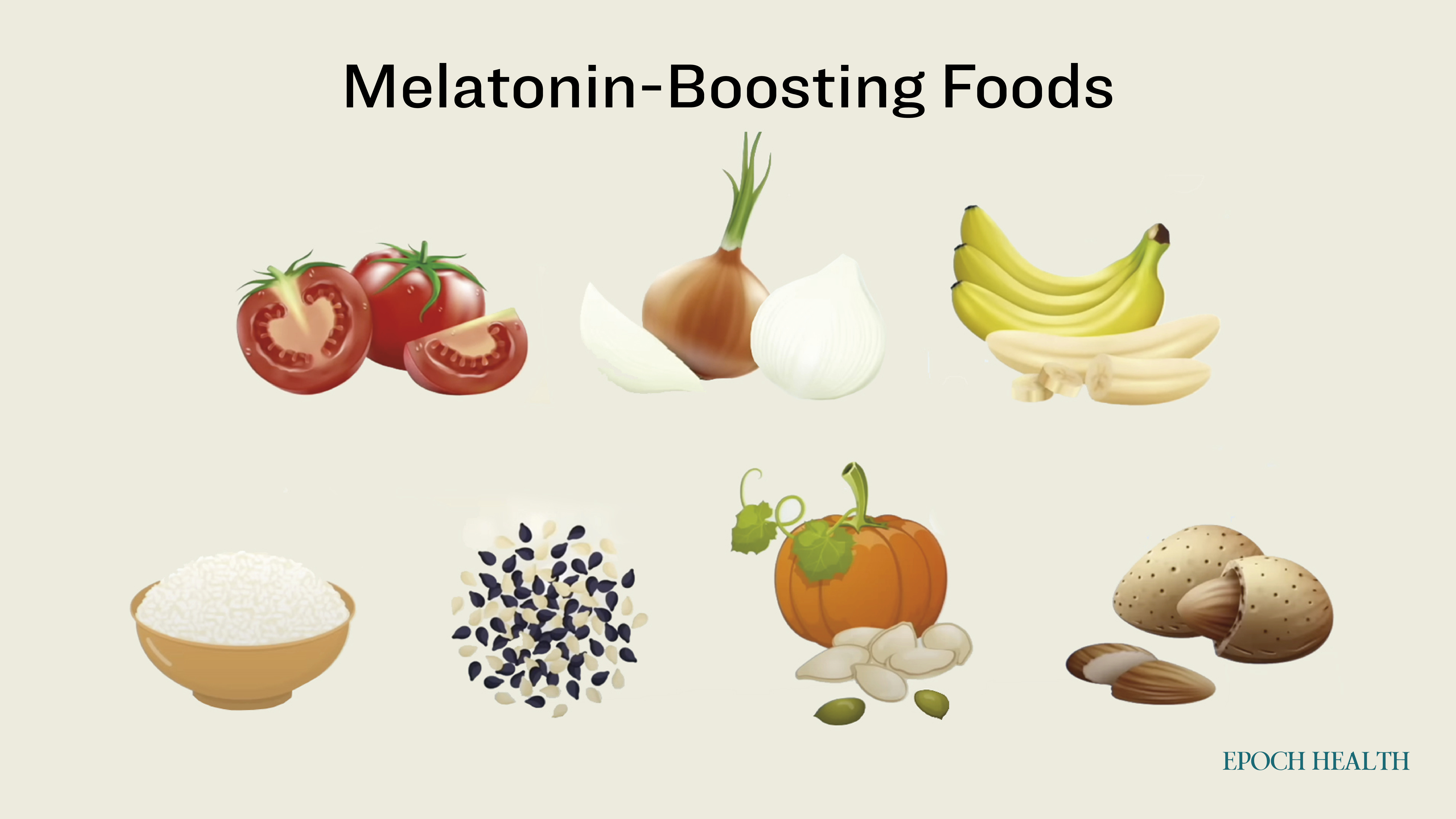
Research has shown that melatonin is linked to improved sleep outcomes. Individuals can boost melatonin levels through their diet by consuming foods such as tomatoes, onions, bananas, rice, sesame seeds, pumpkin seeds, and almonds. You can include these foods in your dinner or eat them before bedtime to promote better sleep.
Oil Massage on the Soles of the Feet
Massaging the soles of your feet with oil is an ancient and effective method to promote sleep. Apply olive, coconut, sesame, or jojoba oil to the soles of your feet before bedtime and massage them until the oil is absorbed.
Oil massage can stimulate the acupoints and nerve endings on the soles of the feet, thereby promoting blood circulation and metabolism, as well as reducing occurrences of nocturia (waking up to urinate 2 times or more) and insomnia. It feels good too!
Rubbing the Palms of Your Hands and Soles of Your Feet
If you experience poor sleep quality, light sleep, frequent awakenings, or nocturia you can try rubbing your palms and the soles of your feet before bedtime.
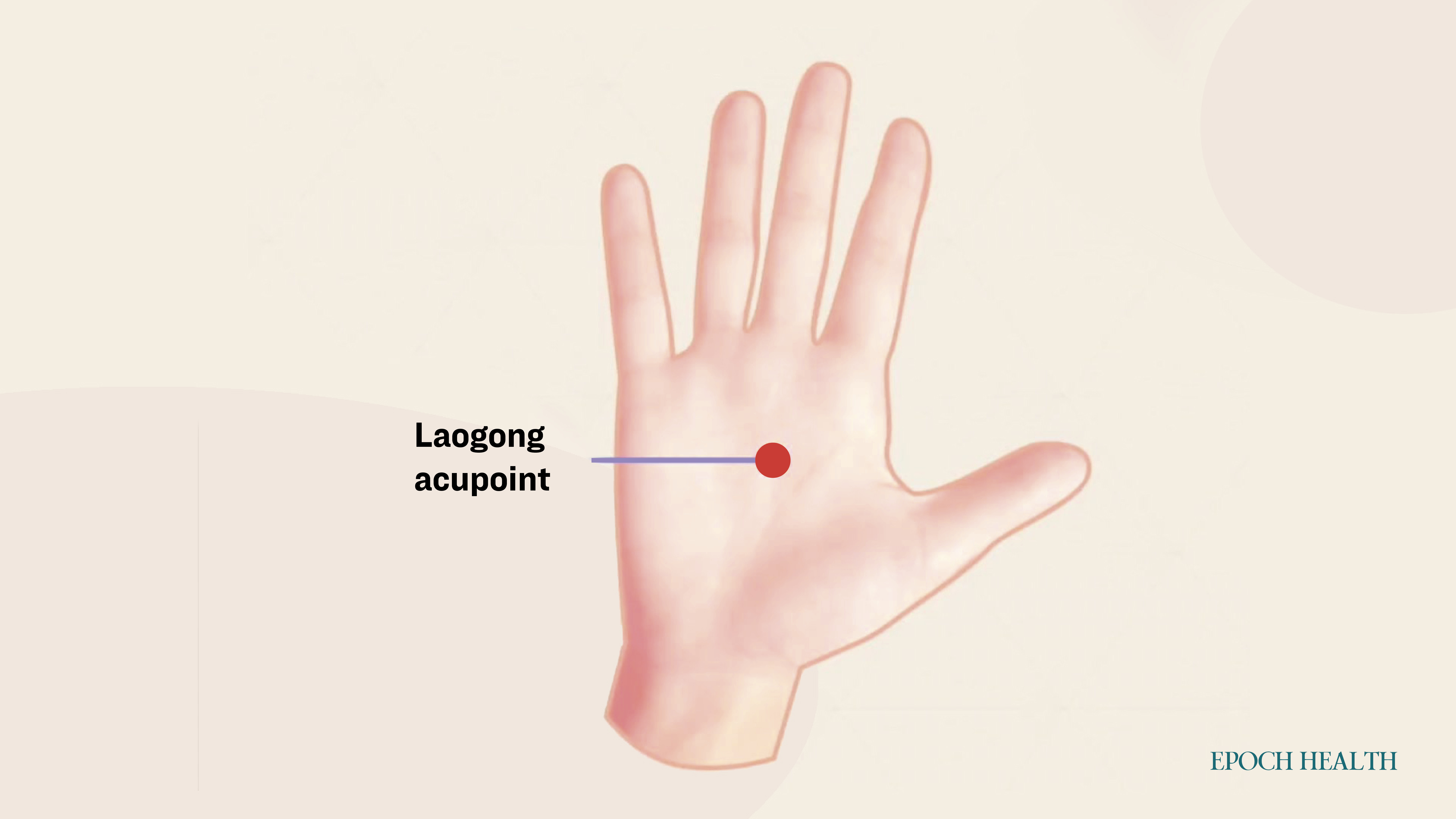
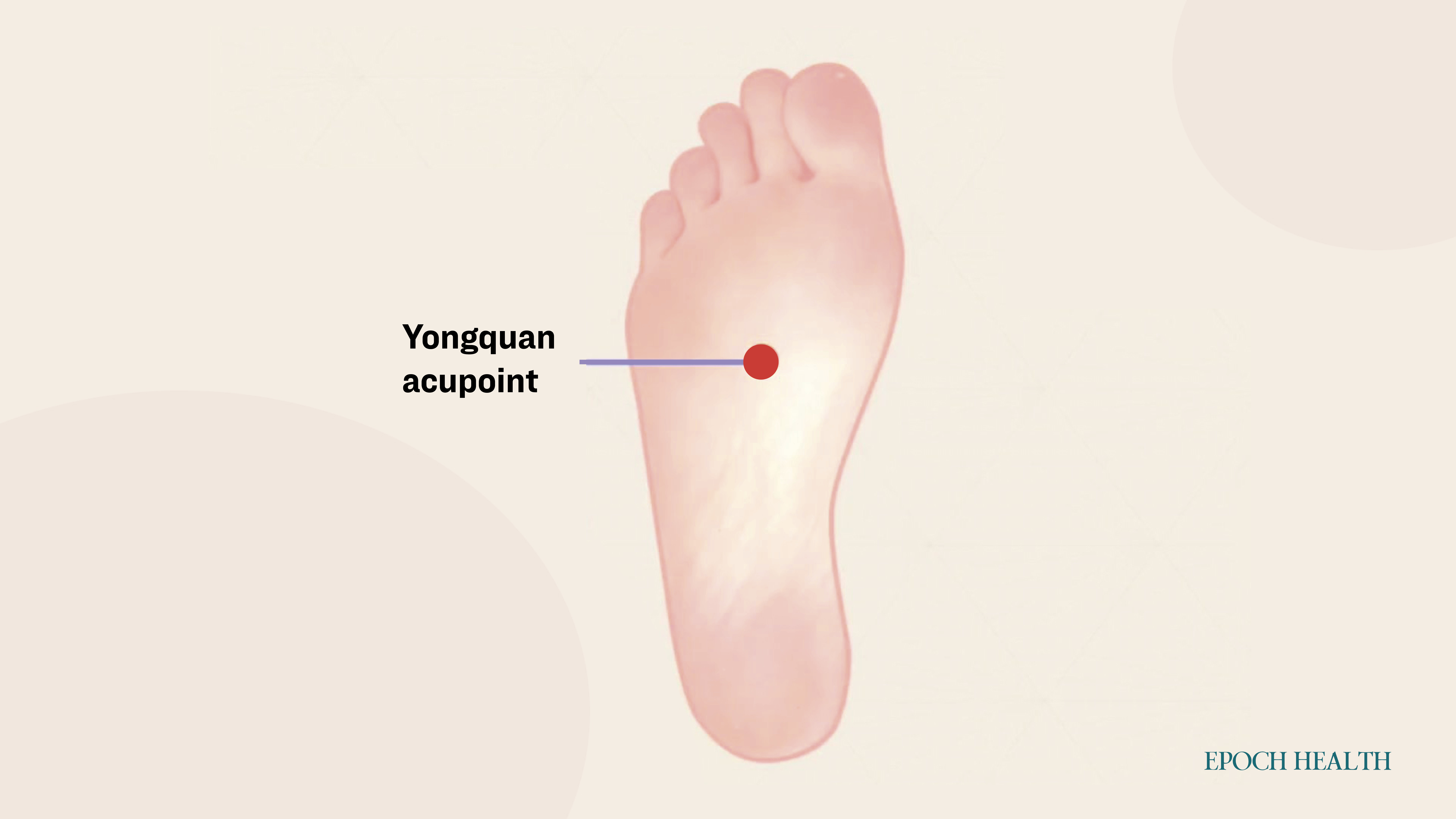
This can stimulate the Laogong acupoint on the palm and the Yongquan acupoint on the sole of the foot. These two acupoints belong to the pericardium meridian and kidney meridian, respectively. They help regulate the coordination between the heart and kidneys, allowing the heart fire to descend and the kidney water to ascend, thereby achieving a balance between yin and yang in the body.
Instructions: Use the palm of your left hand to rub the sole of your right foot for about 3 minutes, then switch sides and repeat.
According to TCM, meridians are the channels through which energy flows in the human body. They are responsible for transporting qi and blood—the fundamental substances that constitute and sustain human life—throughout the body. The body consists of 12 major meridians, each corresponding to a specific organ. The internal organs are connected to the body’s surface through these meridians. Along the meridians are specific points known as acupoints, which possess unique functions. By stimulating the corresponding acupoints through techniques like acupuncture and massage, it is possible to treat diseases related to specific organs.
Traditional Chinese medicine theory is rooted in the principles of yin-yang and the five elements (Wuxing). The five elements—wood, fire, earth, metal, and water—correspond to the five vital organs in the human body: the liver, heart, spleen, lung, and kidney. According to the fundamental theory of yin-yang in TCM, all aspects of the natural world exhibit corresponding yin and yang characteristics. These opposing characteristics manifest in various ways, such as the opposition of earth and sky and cold and hot. Yin and yang energies are opposing yet interdependent, and the balance between them is essential. When yin and yang are balanced, individuals enjoy good health, vitality, harmony, and stability. However, when such balance is disrupted, various health issues can arise.
Therefore, TCM practitioners often employ various methods to regulate the balance of yin and yang within the body, thereby achieving the goal of preventing and treating diseases.
Diet Therapy
1. Lily and Lotus Seed Soup
Lily and lotus seed soup is a commonly used herbal remedy in TCM. It can be consumed daily and is highly beneficial for improving sleep.
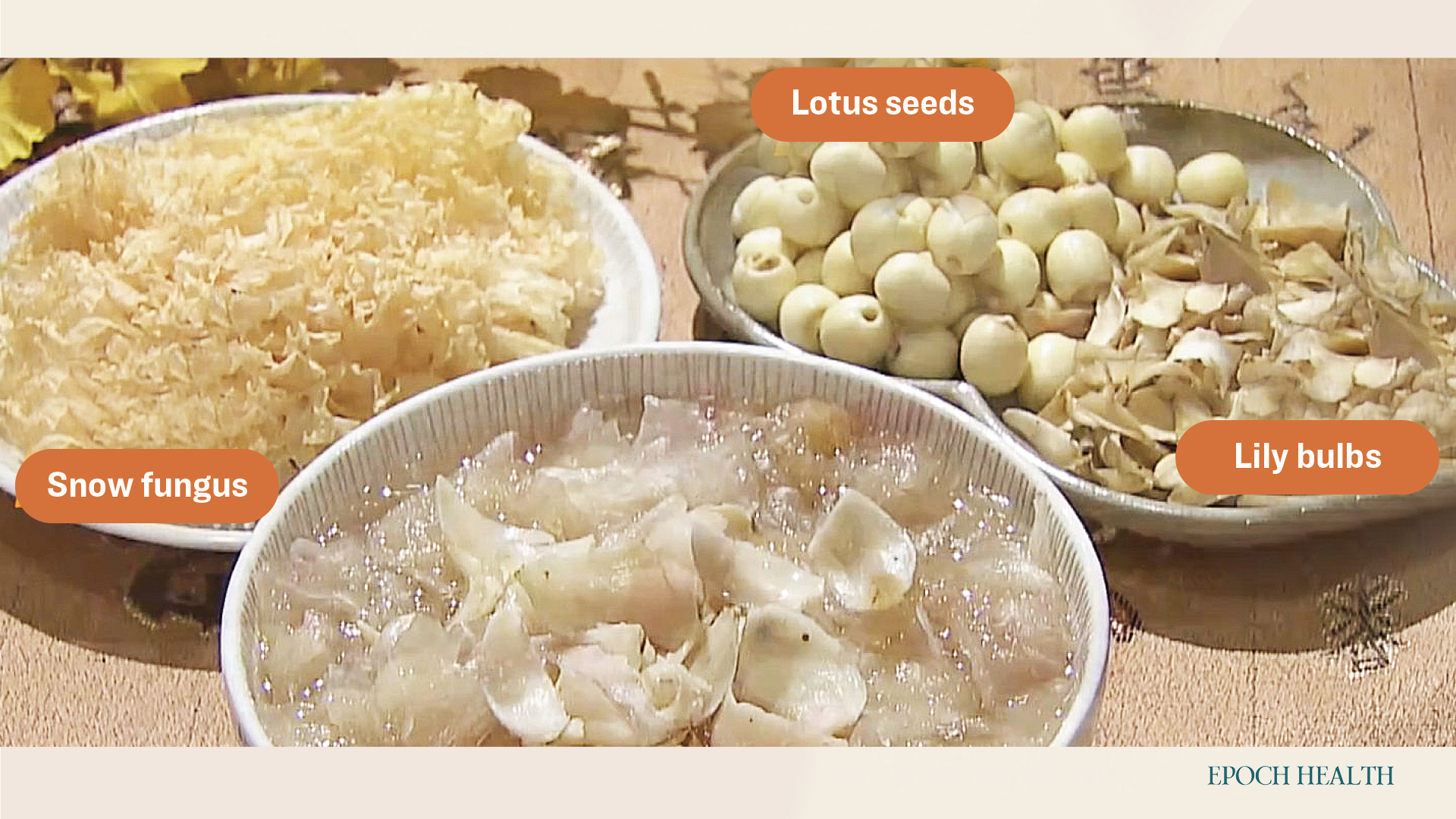
The ingredients for lily and lotus seed soup include lily bulbs, lotus seeds, and snow fungus. You can add a bit of rock sugar if you prefer a sweeter taste. This soup can help calm the mind and nourish the spleen, stomach, and kidneys.

2. Licorice and Jujube Decoction
Licorice and jujube decoction is another commonly used herbal remedy in TCM. Its ingredients include jujubes, cassia twigs, peony root, and licorice root. This soup can help disperse stagnated liver qi, remove blood stasis, and regulate emotions.
3. Claypot Fish Head Soup
Claypot fish head soup is a delicious and nutritious dish that provides a rich source of vitamin D and omega-3 fatty acids found in deep-sea fish. Both of these compounds can help enhance sleep quality by promoting neural transmission and blood supply to the brain.
Use salmon heads or other fatty deep-sea fish heads such as tuna and mackerel, along with ingredients like tofu, napa cabbage, and other vegetables, and stew in a clay pot. This soup is not only delicious, but the fats and fish oil in the broth can also promote restful sleep.
For vegetarians, options like soybeans, nuts, and flaxseeds are also effective for promoting better sleep.
4. Perilla Rose Tea and Chrysanthemum Honey Tea
Perilla rose tea and chrysanthemum honey tea are two delightful and aromatic herbal infusions. Drinking a cup of either of these before bedtime can offer immune-boosting, calming, and liver-protective effects.
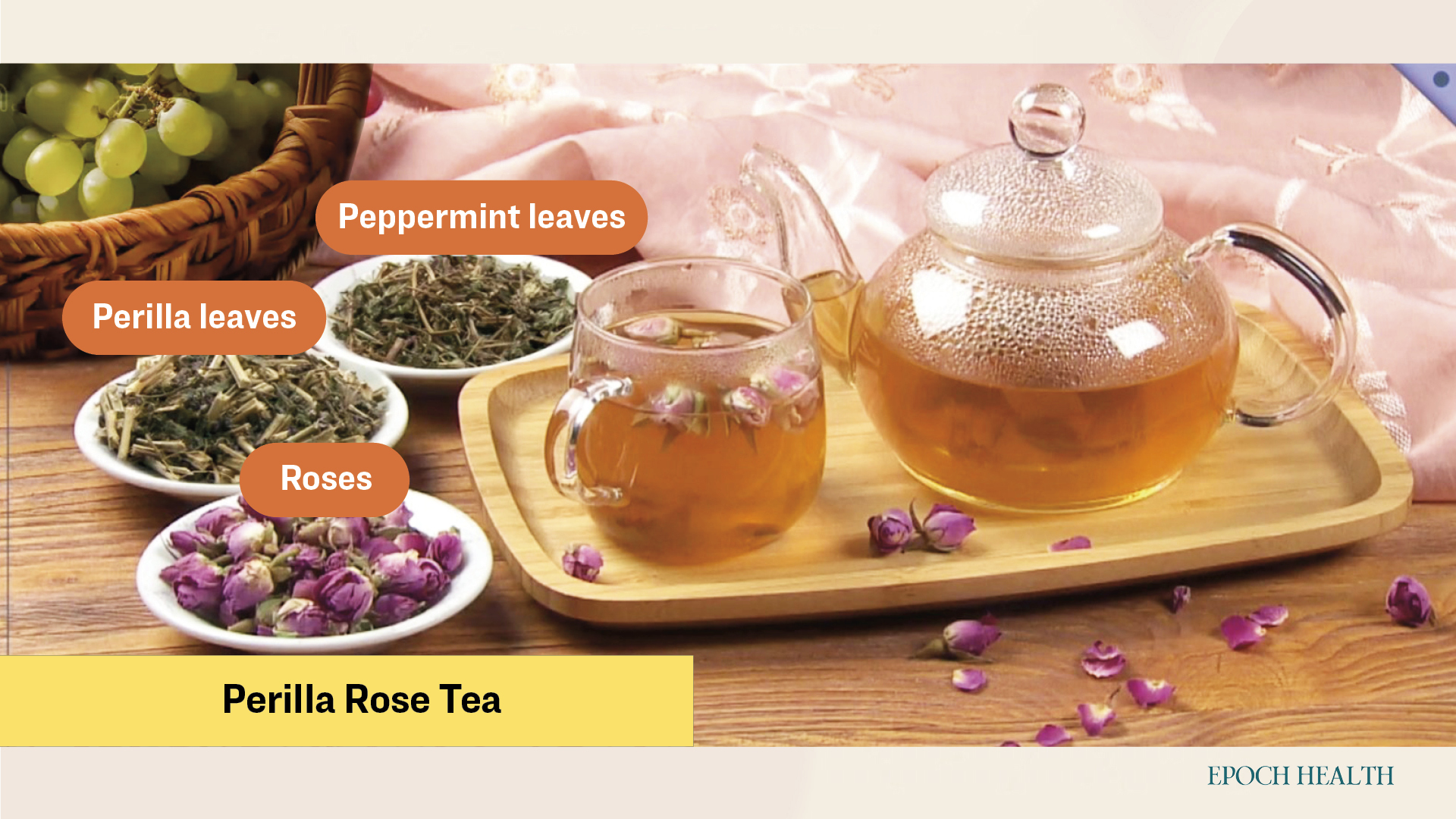
The ingredients for perilla rose tea include 3 grams of perilla leaves, 3 grams of peppermint leaves, and 3 to 5 roses. Perilla can promote liver health and calm the mind, peppermint provides a cooling effect, and roses can improve blood circulation, disperse stagnation, and enhance skin beauty. After thoroughly washing these three ingredients, place them in a tea bag, then steep in 500cc (16 ounces) of hot water for 10 minutes before drinking.
The ingredients for chrysanthemum honey tea are chrysanthemum flowers and honey. Chrysanthemum flowers provide detoxifying, diuretic, eye-protecting, and liver-supporting properties, while honey is beneficial for the stomach. Place dried chrysanthemum flowers in a cup, add a spoonful of honey, and then steep with hot water. Enjoy the tea once it has cooled down.
The Importance of Good Sleep Habits
Getting up early and going to bed early is a fundamental sleep pattern. It allows your body to follow natural rhythms and maintain a balance between yin and yang.
As stated in the “Huangdi Neijing” (also known as the “Yellow Emperor’s Classic of Internal Medicine”), one should go to bed early and rise early, with the “crowing of the rooster in the autumn.” This advice applies not only to autumn but also to other seasons. Going to bed early nurtures your yin while rising early nurtures your yang. In TCM, yin corresponds to internal organs like the liver and kidneys, while yang corresponds to the digestive and respiratory systems like the spleen, stomach, and lungs.
Falling asleep before 11 p.m. protects your liver and gallbladder while waking up before 6 a.m. enhances spleen and lung functions. By doing so, your body receives sufficient rest and recovery, which can cycle back to improved sleep quality.
Note: Some herbs mentioned in this article may be unfamiliar, but they are generally available in health food and Asian grocery stores. It is important to note that treatment methods may vary depending on the individual. Please consult with a health care professional for a specific treatment plan.
Views expressed in this article are the opinions of the author and do not necessarily reflect the views of The Epoch Times. Epoch Health welcomes professional discussion and friendly debate. To submit an opinion piece, please follow these guidelines and submit through our form here.