



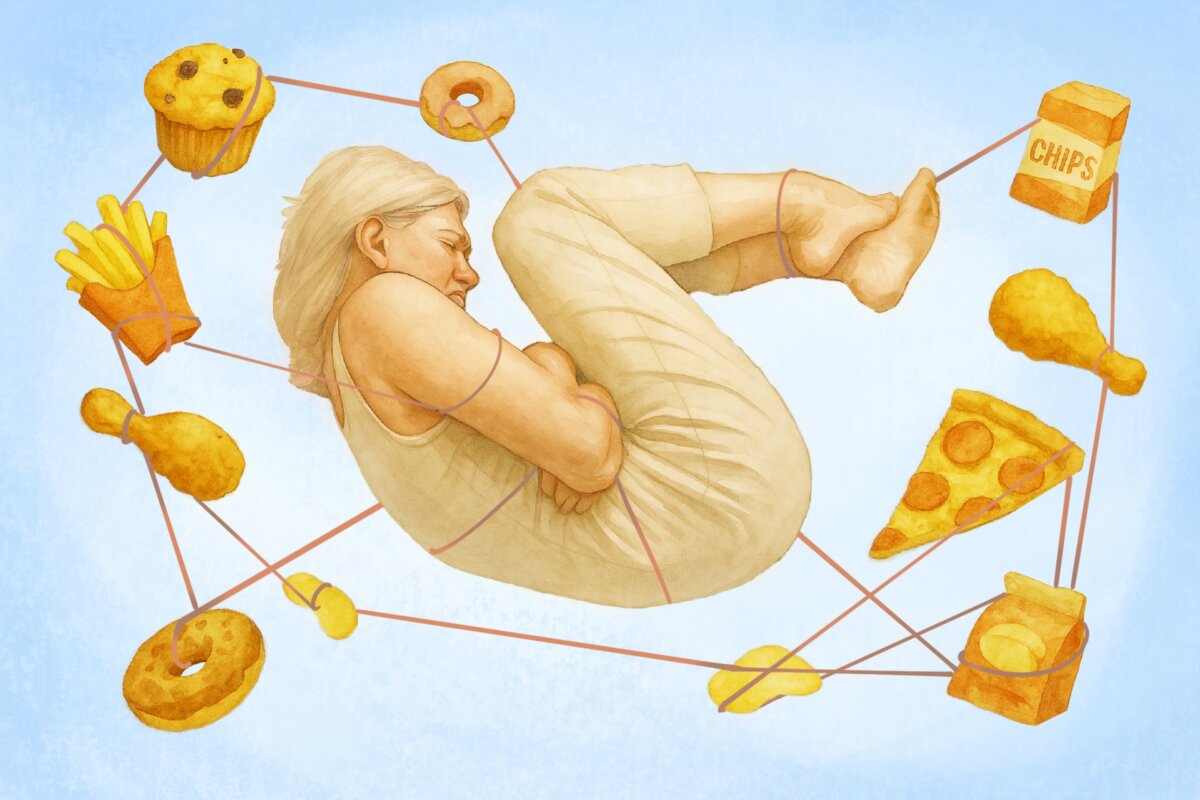
Most people associate diet with weight management, but what if your food choices were directly affecting your pain levels—even if you’re not overweight?
A study published in Nutrition Research sheds light on how diet plays a major role in chronic pain and inflammation, regardless of your body weight. This means that even if you’re at a healthy weight, a poor diet can still be fueling joint aches, stiffness, and discomfort.
The Science Behind Diet and Pain
The study from the University of South Australia analyzed data from more than 650 adults and found a strong connection between diet quality and pain levels. People who followed a diet rich in vegetables, fruits, whole grains, lean proteins, and dairy and dairy alternatives reported significantly lower chronic pain compared with those who consumed more processed foods. Notably, these findings remained true even when researchers factored in body weight, body fat percentage, and waist circumference.
If you’ve been in pain for years, it might seem too simplistic for your diet to make such a difference. So let’s look at the biological mechanisms at play with poor dietary choices and chronic pain:
- Chronic Inflammation: Certain foods trigger the release of pro-inflammatory cytokines—molecules that increase pain sensitivity and joint stiffness. Diets high in refined sugars, alcohol, and processed foods elevate these markers, worsening pain conditions like arthritis, fibromyalgia, and even menstrual pain in women.
- Oxidative Stress: The body naturally produces free radicals, but a poor diet exacerbates the body’s ability to eliminate them, resulting in oxidative stress, damage to cells, and increased inflammation and pain. Antioxidant-rich foods help neutralize these harmful molecules.
- Blood Sugar Dysregulation: Refined carbohydrates cause blood sugar spikes and crashes, leading to metabolic stress. Over time, this triggers systemic inflammation, worsening conditions such as osteoarthritis and muscle pain.
- Gut Microbiome Imbalance: The gut houses trillions of bacteria that influence overall health. Diets high in processed foods disrupt the gut microbiome, increasing intestinal permeability, often referred to as “leaky gut.” This allows inflammatory compounds to enter the bloodstream, potentially contributing to widespread pain.
- Nutrient Deficiencies: Processed foods lack essential nutrients like magnesium, omega-3 fatty acids, and vitamin D—all of which are crucial for reducing inflammation and maintaining healthy joints and muscles. Magnesium, for example, plays a key role in muscle relaxation, while omega-3s counteract inflammatory responses.
How to Reduce Pain Through Diet
The good news? You can take control of your pain through simple dietary changes. If you’ve been skeptical about how food influences pain, consider trying these six evidence-based strategies:
- Increase Anti-Inflammatory Foods: Load up on leafy greens, berries, turmeric, ginger, and omega-3-rich foods such as salmon and flaxseeds, which have been shown to reduce inflammation.
- Minimize Sugar and Refined Carbs: Cut back on white bread, pasta, pastries, and sweetened drinks, which contribute to liver damage, inflammation, and oxidative stress.
- Limit Alcohol Consumption: Drinking excessively disrupts gut health and increases inflammation. Stick to one to two drinks or fewer per week.
- Balance Omega-6 and Omega-3 Ratios: Most processed foods contain high amounts of omega-6 fatty acids, which promote inflammation. To counteract this, eat more omega-3-rich foods like fatty fish, chia seeds, and walnuts.
- Stay Hydrated: Dehydration can worsen joint pain by reducing lubrication. Drink plenty of water and consider electrolyte-rich beverages if you’re physically active.
- Identify Personal Triggers: Some foods (such as dairy, gluten, or nightshades) may trigger inflammation differently in different people. An elimination diet can help pinpoint specific triggers.
Is Your Pain Just Aging?
Many people assume that joint pain and stiffness are an unavoidable part of aging. However, this research suggests that dietary choices can significantly influence pain levels in all body shapes and ages.
If you experience frequent aches, stiffness, or joint discomfort, it may be time to take a closer look at what’s on your plate. A few strategic dietary changes could make a major difference in how you feel.